






The Joy of Drawing Pandas
There’s something irresistibly charming about pandas. Their soft black-and-white fur, round faces, and playful personalities make them one of the most beloved animals in the world. It’s no surprise that panda drawing has become a popular creative outlet for people of all ages. Whether you’re a complete beginner holding a pencil for the first time or someone who has been sketching for years, drawing a panda offers a fun and relaxing way to express your creativity.
Think about it—when you draw a panda, you’re not just sketching an animal. You’re capturing emotion, personality, and even a bit of storytelling. A simple curve can turn your panda into a sleepy cub, while bold lines can give it a lively and energetic vibe. That’s the beauty of art: it allows you to create something unique from something familiar. And pandas, with their simple shapes and adorable features, are the perfect subject to begin this artistic journey.
Why Panda Drawing Is Perfect for Beginners
If you’ve ever felt intimidated by drawing, pandas can be your perfect starting point. Their body structure is made up of basic shapes—circles, ovals, and soft curves—which makes them easy to sketch without needing advanced skills. Unlike more complex animals, pandas don’t require intricate details to look good. Even a simple doodle can look charming and expressive.
Another reason panda drawing is beginner-friendly is its forgiving nature. You don’t need to worry about perfect proportions or realistic textures. In fact, slightly exaggerated features often make your panda look even cuter. Big eyes, a round belly, and tiny ears can instantly transform your drawing into something delightful. It’s almost like the panda invites you to play with your imagination instead of stressing over perfection.
Exploring Creative Drawing Techniques
Once you get comfortable with the basics, it’s time to explore different creative methods. One approach is cartoon-style drawing, where you simplify the panda’s features and focus on bold outlines and expressive faces. This style is great for kids and beginners because it encourages creativity without overthinking.
Another method is realistic sketching, where you pay attention to shading and texture. By adding shadows around the eyes and gentle fur strokes, you can give your panda depth and dimension. This style may take a bit more practice, but it’s incredibly rewarding when your drawing starts to come to life.
You can also experiment with digital drawing tools if you enjoy working on a tablet or computer. Apps allow you to play with colors, brushes, and effects that are difficult to achieve on paper. Imagine creating a glowing background or adding soft gradients to your panda’s fur—it opens up a whole new world of possibilities.
Finding Inspiration in Everyday Life
Inspiration doesn’t always come from art books or tutorials. Sometimes, it’s right in front of you. Watching videos of pandas playing, eating bamboo, or simply lounging around can spark new ideas for your drawings. Their natural behaviors are full of personality, and capturing those little moments can make your artwork more engaging.
Nature can also be a powerful source of inspiration. Picture a panda sitting in a lush green forest or climbing a bamboo tree. Adding a simple background can transform your drawing into a complete scene. It tells a story and gives your panda a world to live in. You’re no longer just drawing an animal—you’re creating a moment frozen in time.
The Role of Imagination in Panda Art
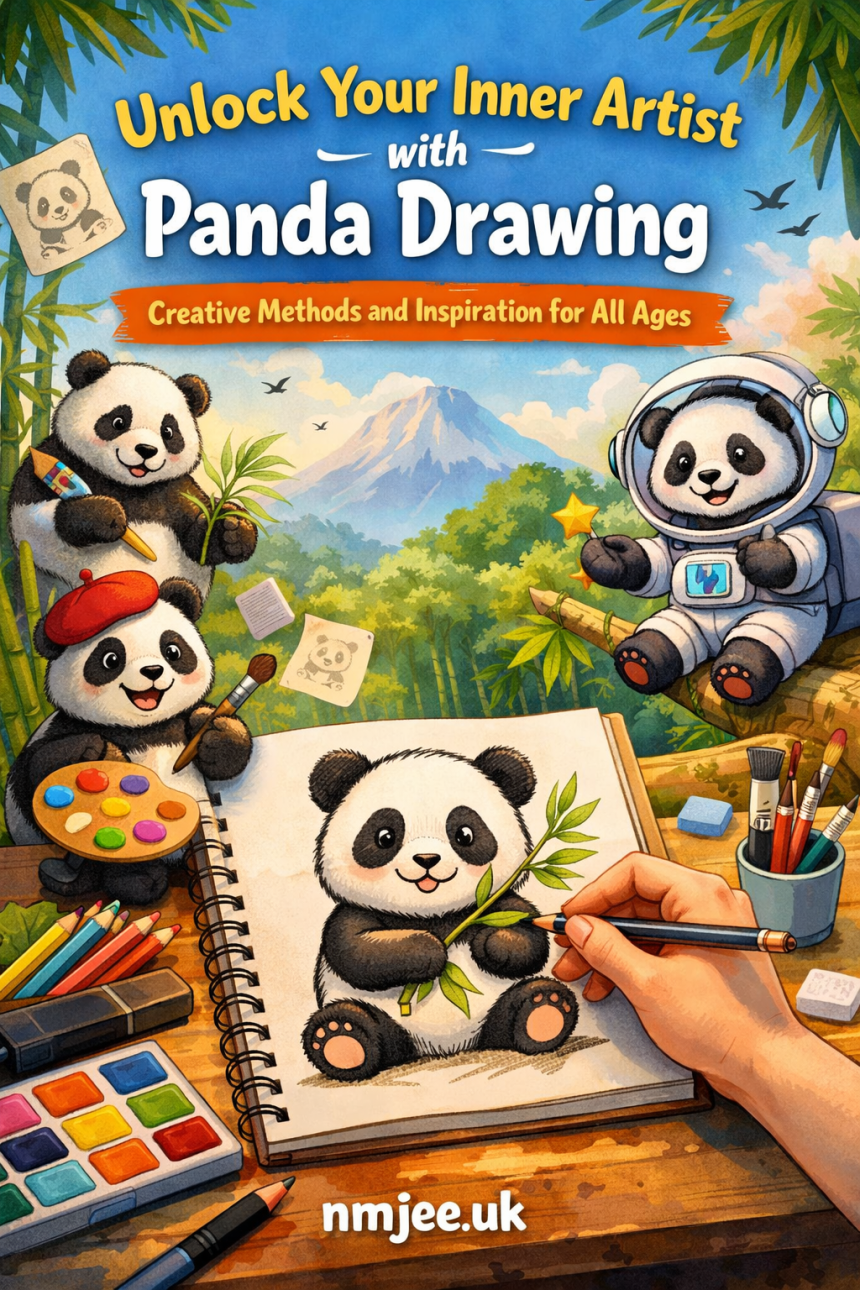
One of the most exciting aspects of panda drawing is how easily it blends with imagination. Who says your panda has to be realistic? You can draw a panda wearing a hat, playing a musical instrument, or even flying through space. The possibilities are endless, and that’s where the fun truly begins.
Imagination allows you to turn a simple sketch into something magical. You might create a superhero panda saving the day or a sleepy panda dreaming among the stars. These creative twists not only make your drawings more interesting but also help you develop your own unique style. Over time, your art will start to reflect your personality, and that’s what makes it truly special.
Building Confidence Through Practice

Like any skill, drawing improves with practice. The more pandas you draw, the more comfortable you’ll become with shapes, lines, and proportions. At first, your sketches might feel a bit rough, but that’s completely normal. Every artist starts somewhere, and each drawing is a step forward.
Try setting aside a few minutes each day to sketch. It doesn’t have to be perfect or even finished. The goal is to enjoy the process and keep your creativity flowing. Over time, you’ll notice small improvements that build your confidence. Suddenly, drawing won’t feel like a challenge—it will feel like a natural and enjoyable part of your routine.
Making Panda Drawing a Fun Activity for All Ages
Panda drawing isn’t just for individuals; it’s a wonderful activity to share with others. Families can sit together and draw their own versions of pandas, each one reflecting a different style and personality. It’s a great way to bond, laugh, and encourage creativity in a relaxed environment.
For children, drawing pandas can help develop fine motor skills and boost imagination. For adults, it offers a calming escape from daily stress. There’s something soothing about focusing on simple lines and shapes, almost like meditation. It allows your mind to slow down and enjoy the present moment.
Turning Your Drawings into Something More

Once you’ve created a few panda drawings, why not take it a step further? You can turn your artwork into greeting cards, posters, or even digital wallpapers. Sharing your creations with friends or on social media can also be a rewarding experience. It’s a way to connect with others who share the same passion for art.
You might even discover a hidden talent that you never knew you had. What starts as a simple hobby can grow into something more meaningful. Whether it’s a personal passion or a creative side project, panda drawing has the potential to open new doors.
Conclusion
Unlocking your inner artist doesn’t require expensive tools or years of training. Sometimes, all it takes is a pencil, a piece of paper, and a little inspiration. Panda drawing offers a perfect blend of simplicity and creativity, making it accessible to everyone. It encourages you to explore, experiment, and most importantly, enjoy the process of creating.
So why not give it a try? Let your imagination run wild, embrace imperfections, and have fun with every stroke. Your artistic journey doesn’t have to be complicated—it can start with something as simple and joyful as drawing a panda.
FAQs
1. Is panda drawing suitable for complete beginners?
Yes, panda drawing is ideal for beginners because it uses simple shapes and doesn’t require advanced skills.
2. What tools do I need to start drawing pandas?
You only need a pencil and paper to begin, though you can also use markers or digital tools for more creativity.
3. How can I make my panda drawings look more realistic?
Focus on shading, adding soft textures, and observing real panda images for inspiration.
4. Can kids learn panda drawing easily?
Absolutely, children often enjoy drawing pandas because they are simple, cute, and fun to create.
5. How can I improve my drawing skills over time?
Practice regularly, experiment with styles, and don’t be afraid to make mistakes—they’re part of learning.