






Geography often gets a bad reputation as just memorizing maps, capitals, and mountain ranges. But in reality, it’s the study of the world we live in—its land, people, cultures, climates, and connections. Think of it as the storybook of Earth, where every page reveals something new about how our planet works and how we fit into it.
In this article, we’ll explore geography lessons that not only teach but inspire. Whether you’re a student, parent, or just someone curious about the world, these ideas show how geography can be exciting, practical, and unforgettable.
Why Geography Matters in Everyday Life
Geography is not just about maps on a wall. It’s about understanding how the world is shaped and how we interact with it. Imagine planning a trip without knowing about climate, distance, or cultural norms—it would be chaos!
Learning geography helps us:
-
Make sense of global events.
-
Understand environmental issues.
-
Appreciate cultural diversity.
-
Sharpen critical thinking skills.
Making Maps Come Alive
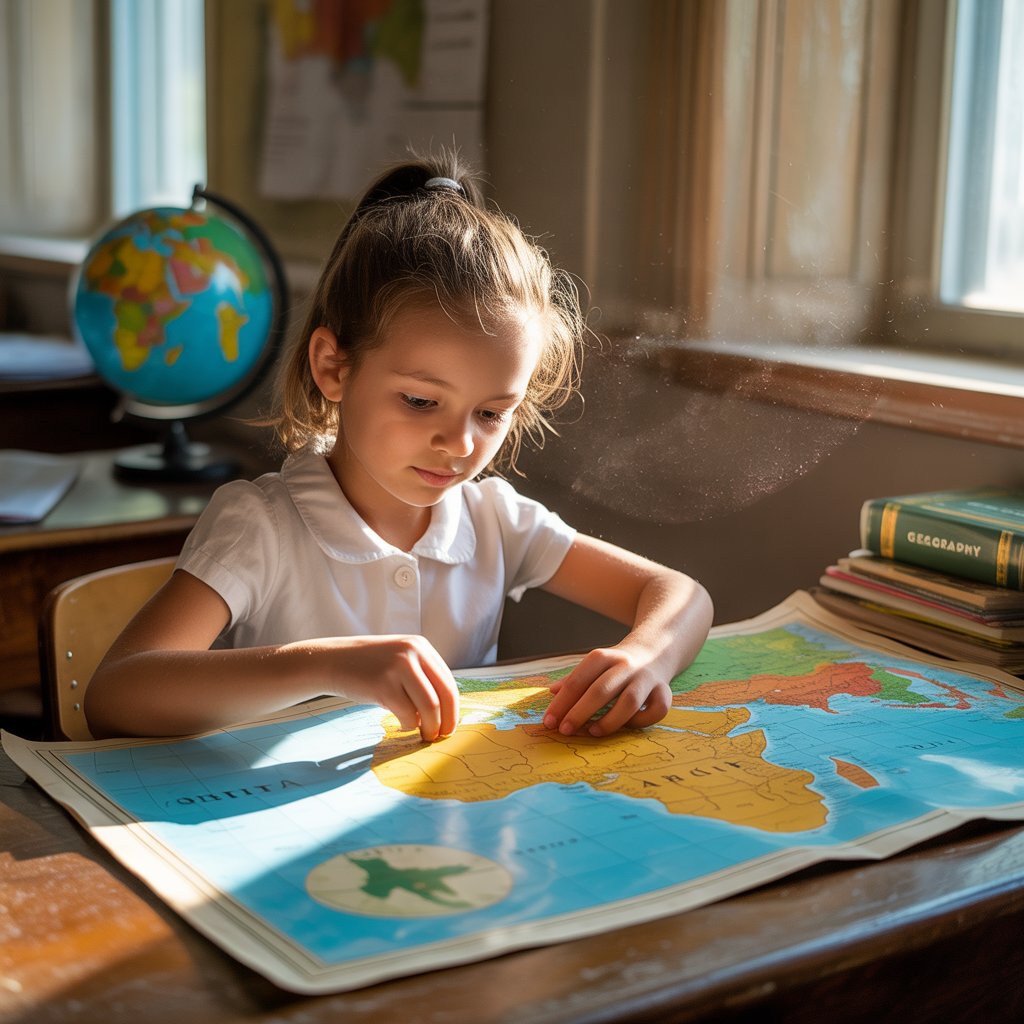
Maps aren’t flat pieces of paper—they’re stories waiting to be told. One way to make them engaging is through interactive activities. Instead of asking students to “label the rivers of Asia,” why not turn it into a treasure hunt?
“For instance, you might say: This mighty river cuts across the world’s most populated nation before spilling into the East China Sea—can you guess its name?” Can you find it?” Instantly, curiosity kicks in, and suddenly the Yangtze River isn’t just a name to memorize, but a discovery.
Using Technology to Explore the World
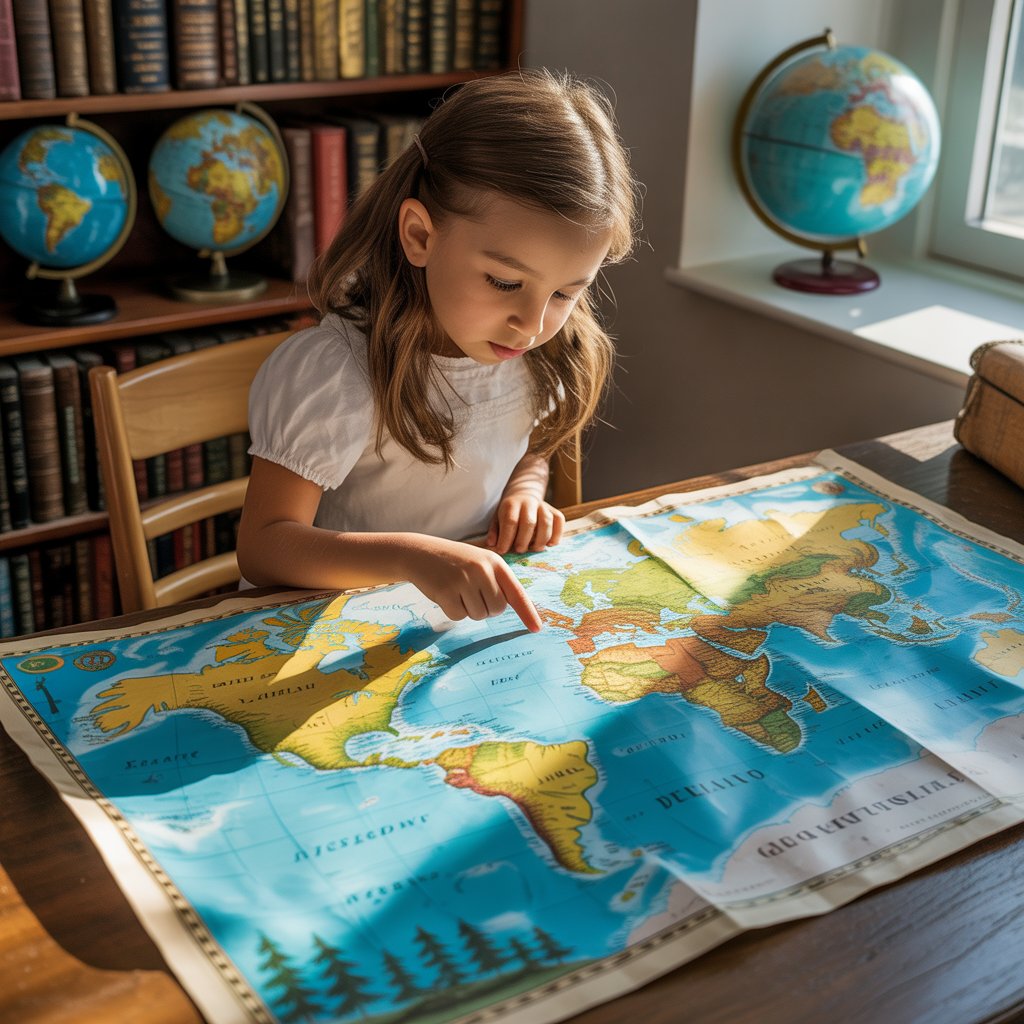
Thanks to digital tools, exploring the globe no longer requires a plane ticket. Apps like Google Earth allow you to “fly” over continents, zoom into cities, or even take virtual tours of landmarks like the Eiffel Tower or the Grand Canyon.
Teachers can use these platforms to create virtual field trips. Imagine discussing volcanoes and then zooming into Mount Vesuvius, where history and science meet. Technology transforms geography from static to dynamic.
Storytelling Through Geography
People love stories, and geography is full of them. From the Silk Road that connected Asia to Europe, to the tale of tectonic plates shaping mountains, stories make abstract concepts relatable.
For example, teaching about deserts can start with the story of a caravan crossing the Sahara, facing sandstorms, and trading salt for gold. The narrative approach creates emotional hooks, making facts easier to remember.
Learning About People, Not Just Places
Geography isn’t only physical; it’s cultural too. Every country is home to people with unique traditions, food, and lifestyles. Lessons that highlight how geography influences culture are incredibly engaging.
Consider this: Why is rice a staple food in Asia but not in North Africa? The answer lies in climate, soil, and water availability. Such connections show students that geography isn’t separate from daily life—it is daily life.
Geography Through Food
If there’s one thing everyone loves, it’s food. And food is deeply connected to geography. You can bring a lesson to life by exploring world cuisines.
-
Tacos in Mexico tell a story of maize cultivation.
-
Sushi in Japan reflects access to the sea.
-
Olives in Greece thrive because of Mediterranean climate.
By tasting or discussing foods, students experience geography with their senses, making it far more memorable than memorizing rainfall charts.
The Power of Visual Learning
Geography is a highly visual subject. Globes, atlases, infographics, and satellite images allow learners to “see” patterns. For instance, rainfall maps can clearly show why rainforests cluster near the equator while deserts dominate subtropical zones.
Using colorful visuals creates an “aha!” moment. It’s like when you finally see puzzle pieces fit together—suddenly the world’s layout makes sense.
Hands-On Projects and Models
Building models is another effective way to learn. Students can:
-
Create a clay volcano and simulate eruptions.
-
“Create a tiny self-contained ecosystem inside a jar to watch the water cycle in action.”
-
Design a relief map using salt dough.
These activities turn abstract concepts into physical experiences. It’s one thing to hear about erosion, but another to watch it happen in a sand-and-water experiment.
Geography in Current Events
Every news headline has a geographic angle. Conflicts, migrations, natural disasters, climate change—all are tied to geography. Teachers can take a current event and help learners locate it on a map, study the region’s features, and discuss why it matters.
For example, if there’s flooding in Pakistan, a lesson could cover river systems, monsoon climates, and population density. Suddenly, geography becomes relevant and urgent.
Bringing Geography Outdoors
Classrooms don’t have to have four walls. A walk around the neighborhood can turn into a mini-geography lesson. Students can observe:
-
Types of soil and plants.
-
Water sources like streams or canals.
-
Human geography, such as roads, markets, or buildings.
It’s like turning a backyard into a live laboratory. Geography is everywhere—you just need to step outside to see it.
Linking Geography With History
History and geography go hand in hand. Wars, migrations, and trade routes were shaped by landscapes. “Take the Great Wall of China as an example—it wasn’t placed by chance; the surrounding geography determined exactly where it stood.”
“When the two subjects come together, learners gain a wider perspective and understand how the pieces of history and place fit into one story.” They understand not only what happened, but also why it happened in that place.
Climate Change and Environmental Lessons
One of the most pressing global issues today is climate change, and geography lessons provide a platform to explore it. Students can learn about:
-
Melting glaciers in the Arctic.
-
Rising sea levels threatening islands.
-
Shifts in rainfall affecting agriculture.
Rather than focusing only on problems, lessons can include solutions—like renewable energy, conservation, and sustainable living. This inspires not just awareness, but action.
Geography Through Games and Quizzes
Games make learning stick. From online quizzes to classroom competitions, turning geography into a challenge sparks motivation. A “Where in the World?” quiz, where students guess countries based on fun facts, can ignite excitement.
Board games like Risk or even puzzles of world maps make geography playful, blending fun with learning.
Drawing Analogies to Simplify Concepts
Some geographic concepts are tricky, like plate tectonics or the water cycle. Analogies can make them easier. For instance, think of tectonic plates as puzzle pieces that move slowly across a table. When they bump, mountains rise; when they pull apart, oceans form.
Such comparisons simplify science-heavy ideas, making them accessible to everyone.
FAQs
1. Why is geography important in school?
Geography helps students understand the world, build cultural awareness, and develop problem-solving skills related to global issues like climate change and migration.
2. How can parents make geography fun at home?
Parents can use interactive maps, watch documentaries, cook foods from different countries, or play geography-based games to make learning enjoyable.
3. What role does geography play in understanding current events?
Almost every news story has a geographic angle—be it conflicts, natural disasters, or environmental changes. Geography helps explain why events happen where they do.
4. Can geography be learned without traveling?
Absolutely! Virtual tours, online maps, documentaries,
and books make it possible to explore the world from home. Travel adds experience, but it’s not the only way.
5. How does geography connect to careers?
Geography skills are useful in careers like urban planning, environmental science, tourism, cartography, and even business, where understanding global markets is key.
Conclusion: Geography as a Living Subject
Geography isn’t a list of boring facts—it’s the heartbeat of our planet. “It links us with the people, places, and challenges that truly shape our world.” When taught creatively—through stories, food, games, or technology—it transforms from a textbook subject into a life skill.
So next time you hear the word “geography,” don’t picture dull maps. Instead, think of it as the grand adventure of understanding Earth and our place within it.