



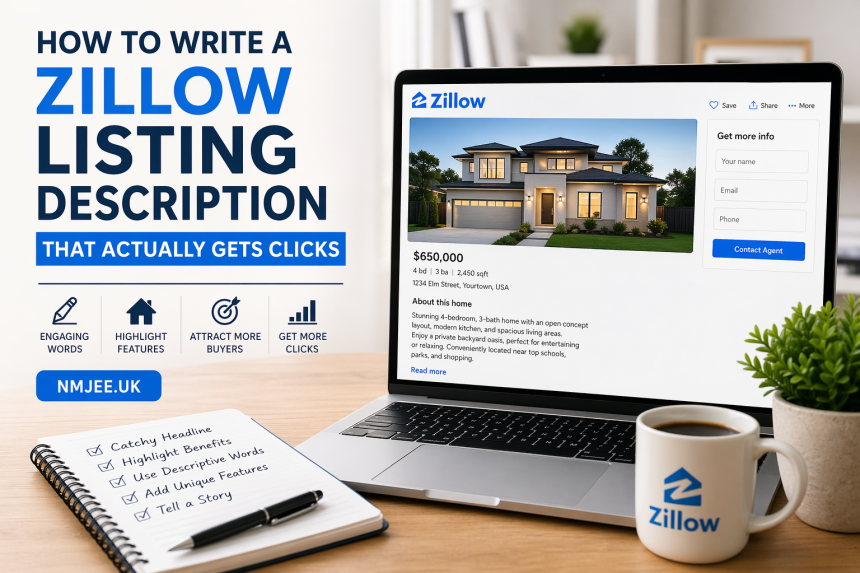
The Role of Listing Descriptions in Buyer Decisions
When buyers scroll through property listings, it’s easy to assume photos do all the heavy lifting. Sure, stunning images grab attention—but what actually convinces someone to click, save, or schedule a viewing? The answer lies in the listing description. According to real estate insights, the description is what tells the story of the home and helps buyers imagine living there . Without that narrative, even the most beautiful property can feel flat and forgettable.
Think about it this way: photos show what a home looks like, but words explain what it feels like. Is it cozy? Luxurious? Perfect for entertaining? These emotional cues are what turn casual browsers into serious buyers. A well-written description bridges the gap between visual appeal and emotional connection. It answers the buyer’s silent question: “Can I see myself living here?”
What’s more interesting is how subtle word choices can influence perceived value. Research shows that certain descriptive words can actually increase the final sale price of a home. That means your listing description isn’t just marketing—it’s a financial tool. If you ignore it or treat it like an afterthought, you’re potentially leaving money on the table.
Zillow Traffic and Visibility in 2026
Let’s talk numbers for a second. zillow listing attracts over 226 million monthly visitors, making it the most visited real estate platform in the U.S. . That’s not just traffic—that’s opportunity. But here’s the catch: with millions of listings competing for attention, only the most compelling ones stand out.
Another crucial detail? Zillow truncates listing descriptions after about 250 characters, especially on mobile devices. That means the first 40–50 words are your make-or-break moment. If those opening lines don’t grab attention, most users won’t bother clicking “Read more.” It’s like writing a book where only the first paragraph determines whether anyone reads the rest.
Zillow’s algorithm also favors complete and detailed listings, meaning longer, well-structured descriptions can rank higher in search results. So not only does your writing influence buyers—it directly impacts your listing’s visibility. In a competitive market, that edge can be the difference between a quick sale and a listing that lingers for months.
The Psychology Behind Click-Worthy Listings
Emotional Triggers That Drive Buyer Interest
Buying a home isn’t just a logical decision—it’s deeply emotional. People aren’t just purchasing walls and a roof; they’re buying a lifestyle, a future, and sometimes even a dream. That’s why the best Zillow descriptions tap into emotions rather than just listing features.
For example, instead of saying “3-bedroom house with backyard,” imagine writing: “Enjoy peaceful evenings in your private backyard oasis, perfect for family gatherings or quiet relaxation.” See the difference? One informs, the other inspires. And inspiration is what drives clicks.
Modern buyers are especially drawn to unique and personality-filled homes. Recent data shows features like exposed brick, vintage details, and distinctive architectural styles can boost engagement by up to 20% . This tells us something important—buyers crave character. They want homes that feel special, not generic.
So when writing your description, ask yourself: what emotion does this home evoke? Comfort? Luxury? Adventure? Then build your language around that feeling.
First Impressions and the 40-Word Rule

You’ve probably heard the saying, “You never get a second chance to make a first impression.” On Zillow, that first impression happens in about 40 words. That’s all you get before your description gets cut off.
This is where many listings fail. Agents often start with bland phrases like “Beautiful home located in…” or “Don’t miss this opportunity…” These lines are overused and instantly forgettable. Instead, your opening should feel fresh, specific, and benefit-driven.
Think of it like a movie trailer. You don’t start with background details—you start with the most exciting scene. Highlight the best feature right away. Is it a panoramic view? A newly renovated kitchen? A prime location? Lead with that.
When you nail those first few lines, you create curiosity. And curiosity leads to clicks.
Crafting the Perfect Headline
What Makes a Headline Irresistible
Your headline is arguably the most important part of your listing. It’s the first thing buyers see, and it determines whether they’ll even read the rest. A great headline combines specificity, benefits, and uniqueness.
For example, instead of writing “House for sale in downtown,” try something like: “Modern Downtown Retreat with Rooftop Views & Private Parking.” Notice how the second version paints a picture and highlights key benefits.
An effective headline should answer one simple question: Why should I care about this property? If it doesn’t do that, it’s not working hard enough.
Examples of High-Converting Headlines
Here are a few patterns that consistently perform well:
- “Luxury Living with Panoramic Ocean Views”
- “Charming Bungalow with Renovated Chef’s Kitchen”
- “Spacious Family Home Near Top Schools & Parks”
Each of these examples focuses on what makes the property desirable. They’re not just descriptive—they’re persuasive. And that’s exactly what you want.
Writing an Opening That Hooks Instantly
The Power of the First Sentence

Your opening sentence should act like a hook—something that pulls the reader in immediately. It should be clear, engaging, and focused on the property’s strongest selling point.
Avoid generic phrases. Instead, go straight to what makes the home special. Think of it as your elevator pitch. If you only had one sentence to sell the property, what would you say?
Highlighting Key Selling Points Early
Buyers don’t want to dig for information. They want the highlights upfront. That’s why your opening should include the most attractive features—whether it’s location, upgrades, or unique design elements.
By front-loading these details, you ensure that even if someone doesn’t read the entire description, they still walk away with a strong impression.
Using Keywords That Actually Sell Homes
Proven Words That Increase Sale Price
Believe it or not, certain words can actually boost your home’s value. Studies show that listings using terms like “luxurious” can sell for up to 8.2% more, while “captivating” can increase value by 6.5% .
Other high-performing words include:
- “Upgraded”
- “Stainless”
- “Landscaped”
- “Remodeled”
These words signal quality and desirability, making buyers more likely to engage with the listing.
Words You Should Avoid at All Costs
Just as some words help, others can hurt. Terms like “fixer,” “potential,” or “TLC” can reduce perceived value significantly. In fact, listings with the word “fixer” sold for 11.1% less on average .
Instead of highlighting flaws, reframe them. A small space can become a “cozy retreat.” Lack of a yard can be “low-maintenance living.” It’s all about perspective.
Showcasing Features That Buyers Care About in 2026
Trending Features That Boost Engagement
Today’s buyers are looking for more than just basic features. They want homes that reflect modern lifestyles. Recent trends show growing interest in:
- Wellness-focused spaces like outdoor showers
- Unique architectural elements
- Energy-efficient upgrades
Homes with distinctive features can see engagement increases of 10–20% .
How to Position Unique Selling Points
Don’t just mention features—explain why they matter. Instead of saying “has a backyard,” describe how it enhances the buyer’s lifestyle. Paint a picture of how the space can be used.
Structuring Your Description for Maximum Impact
Ideal Length and Formatting Strategy
While Zillow allows longer descriptions, the sweet spot is around 250 words for clarity and engagement . This keeps the content concise while still providing enough detail.
Writing for Skimmers and Mobile Users
Most users skim rather than read. Use short paragraphs, clear structure, and engaging language to keep them interested.
Telling a Story Instead of Listing Features
Transforming Facts into Lifestyle Benefits
A great listing doesn’t just list features—it tells a story. It helps buyers imagine their future in the home.
Using Descriptive Language Effectively
Use vivid language to bring the property to life. Instead of “large windows,” say “sunlight pours through expansive windows.”
Optimizing for Zillow’s Algorithm
Completeness and Ranking Factors
Zillow favors listings that are detailed and complete. More information means better visibility.
Engagement Signals That Matter
Clicks, saves, and inquiries all impact how your listing performs. A compelling description boosts all three.
Conclusion
Writing a Zillow listing description that actually gets clicks isn’t about stuffing keywords or listing features—it’s about storytelling, psychology, and strategy. When you combine emotional appeal with clear structure and persuasive language, you create a listing that doesn’t just attract attention—it converts it into action.
FAQs
1. How long should a Zillow listing description be?
Around 150–250 words is ideal for clarity and engagement.
2. What is the most important part of the description?
The first 40–50 words, as they determine whether users click “Read more.”
3. Do keywords really impact home sales?
Yes, certain words can increase sale price and buyer interest significantly.
4. Should I mention flaws in the property?
Yes, but frame them positively to maintain appeal.
5. How can I make my listing stand out?
Focus on storytelling, highlight unique features, and use emotionally engaging language.