







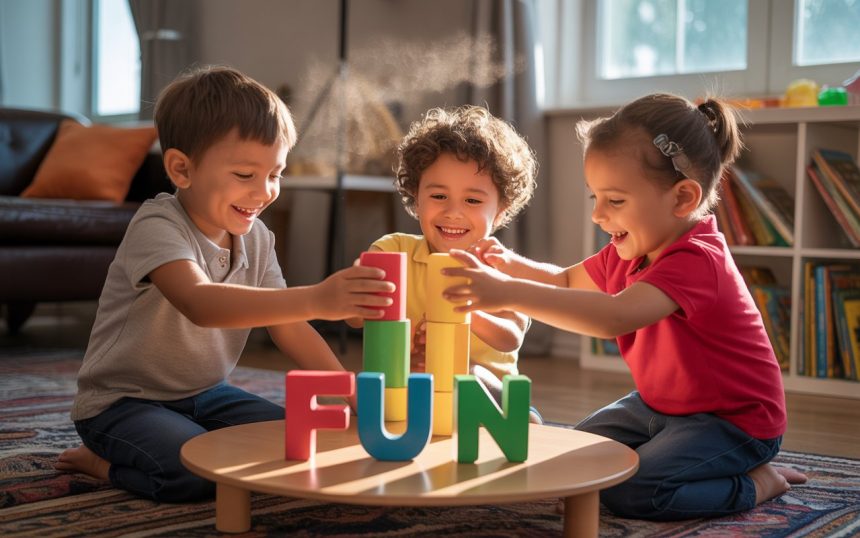
Childhood at age five is filled with boundless energy, endless curiosity, and a developing imagination. If you’re a parent, teacher, or caregiver, you already know how important it is to channel that energy into meaningful play. Games for 5-year-olds aren’t just about keeping kids busy—they’re about helping them learn, build social skills, and grow in confidence.
At this age, games act like stepping stones, each one helping children build essential skills that lay the foundation for future learning. Just like stacking wooden blocks one by one, each game helps children develop skills that prepare them for school and beyond. From indoor activities to outdoor adventures, from solo play to group fun, there’s a wide variety of games that can make a difference in a child’s life.
In this article, we’ll dive into different types of games suitable for 5-year-olds, covering both educational and playful options. Whether you’re looking for ways to keep your child entertained on a rainy day or searching for activities that encourage teamwork, you’ll find plenty of ideas here.
Why Games Matter for 5-Year-Olds
At five years old, children are transitioning from preschoolers to young learners. Their brains are like sponges, soaking up information rapidly. Games provide more than just fun—they help kids:
-
Strengthen problem-solving and memory skills.
-
Improve motor coordination and balance.
-
Boost creativity and imagination.
-
Learn how to share, cooperate, and handle competition.
-
Build confidence through small achievements.
In short, games serve as natural teachers, giving children the chance to explore the world through play.
Indoor Games for Rainy Days
When the weather keeps kids indoors, boredom can set in quickly. Luckily, there are many simple games that can be played at home without fancy equipment.
Simon Says
A classic that never gets old. This game sharpens listening skills while getting kids moving. Try mixing in funny commands like “Simon says hop like a bunny” or “Simon says make a silly face.”
Treasure Hunt
Hide small toys or treats around the house and give your child clues to find them. It’s a fun way to encourage problem-solving and observation skills.
Board Games for Beginners
Simple board games like Candy Land or Chutes and Ladders help teach counting, patience, and turn-taking. Plus, they bring the whole family together.
Outdoor Games to Burn Energy
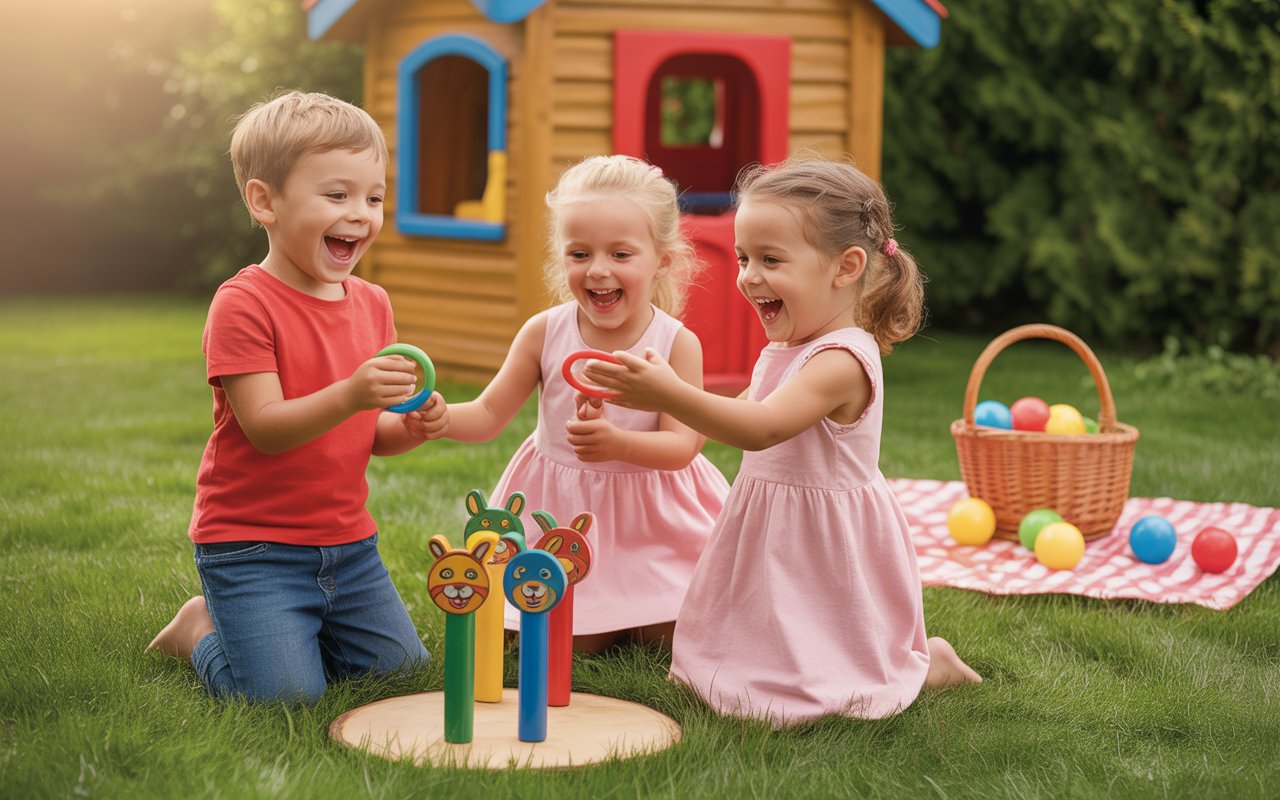
Open spaces give children the freedom to run, jump, and explore, and outdoor games naturally strengthen both their physical health and social connections.
Tag
A timeless game that teaches speed, agility, and fair play.
-
Switch things up with versions like freeze tag to make the game more thrilling.
-
Add a twist—such as freeze tag—to keep the fun fresh and engaging.
-
Introduce playful variations like freeze tag so the excitement never fades.
Hide and Seek
Perfect for teaching patience and problem-solving. Kids learn to strategize by finding the best hiding spots.
Hopscotch
Draw a hopscotch grid with chalk and let kids jump through the numbers. It’s fantastic for balance and number recognition.
Educational Games that Teach Through Play
Not all learning needs to happen at a desk. Educational games make math, reading, and science fun.
Memory Card Match
-
With picture or alphabet cards, kids turn them over to find and match the right pairs.
-
Children can flip over picture or letter cards, searching for the pairs that belong together.
-
By turning over alphabet or image cards, little ones practice matching pairs while sharpening memory.
This strengthens memory and recognition skills.
Counting Games
Use everyday objects—like beans or buttons—to practice counting and simple addition. Turn it into a race for extra fun.
Storytelling Dice
Roll dice with pictures on them, then create a story together.
-
This game sparks creativity while strengthening vocabulary and storytelling abilities.
-
It encourages kids to stretch their imagination, expand their word bank, and weave simple narratives.
-
Through play, children grow their language skills, boost imagination, and practice building stories.
Creative and Imaginative Games
Five-year-olds love to explore their creativity. These games encourage expression and imagination.
Dress-Up and Role Play
From pretending to be a firefighter to hosting a tea party, role play helps kids understand the world and build empathy.
Building Blocks or LEGO
Constructing towers, houses, or spaceships enhances problem-solving and motor skills. It also sparks innovation.
Puppet Shows
Using socks or puppets, kids can create stories, developing communication and storytelling skills.
Games That Boost Physical Development

Games at this age should also focus on growing strong bodies.
Obstacle Courses
Set up pillows, chairs, and tunnels for kids to climb and crawl through. It challenges strength and coordination.
Ball Games
-
Whether it’s kicking, tossing, or catching, ball games strengthen coordination and motor skills, with classics like “catch” staying timeless.
-
From a simple game of catch to kicking or throwing, ball play boosts coordination while offering endless fun.
-
Ball games—like kicking, throwing, or catching—sharpen movement skills, and the simplicity of “catch” makes it an all-time favorite.
Dance Games
Play music and encourage kids to dance or freeze when the music stops. It’s fun, energetic, and builds rhythm.
Social and Cooperative Games
-
Figuring out how to play alongside others is just as valuable as mastering the ABCs and 123s.
-
Social play matters too—it’s every bit as important as learning to read or count.
-
Developing the skill of playing with peers is as essential as picking up early academic basics.
Musical Chairs
This game teaches patience, listening, and coping with competition in a lighthearted way.
Parachute Play
Using a large sheet or parachute, kids can bounce balls or create “waves.” It encourages teamwork and laughter.
Pass the Parcel
Wrap a small gift in layers of paper. Children pass it around while music plays, unwrapping one layer at a time.Everyone gets a chance to play.
Digital Games: Screen Time with Purpose
Not all screen time is bad. With guidance, digital games can offer learning opportunities.
-
Educational Apps: Games like Endless Alphabet or PBS Kids help build early literacy and math skills.
-
Puzzle Apps: Simple puzzles teach problem-solving in an engaging format.
-
Art Apps: Drawing and coloring apps encourage creativity without the mess.
The key is moderation and supervision, ensuring kids balance screen time with physical play.
DIY Games with Household Items
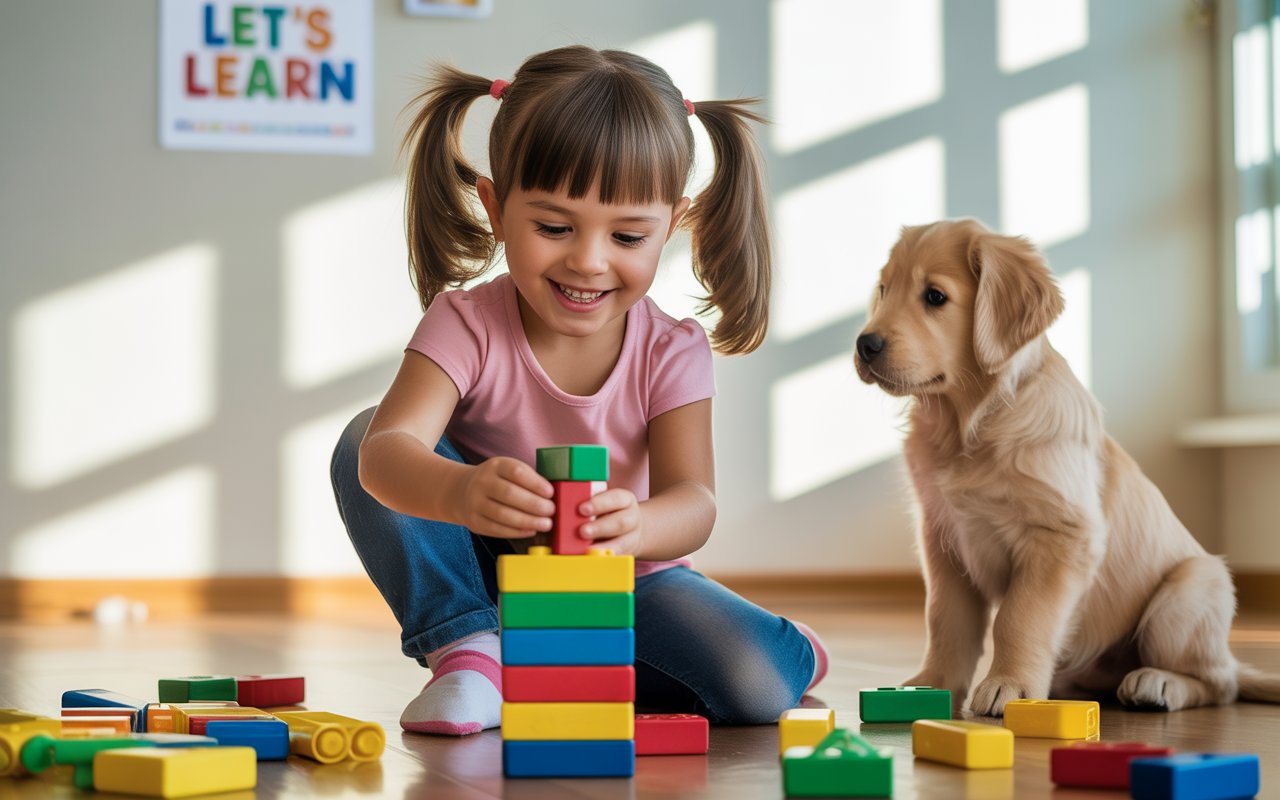
You don’t need to spend money on fancy toys. With a little imagination, everyday items become games.
-
Cup Bowling: Stack plastic cups and use a soft ball to knock them down.
-
Sorting Games: Use buttons or coins to sort by size, color, or shape.
-
Paper Airplane Contest: Fold and fly airplanes to see which goes the farthest.
These games spark creativity and show children that fun doesn’t always come in a box.
Games for Emotional Development
Games can also help kids manage feelings and build emotional intelligence.
-
Feelings Charades: Act out emotions like “happy,” “sad,” or “excited” for kids to guess.
-
Compliment Circle: In group play, kids take turns saying something nice about another child.
-
Calm-Down Games: Activities like blowing bubbles teach relaxation and patience.
Tips for Choosing the Right Game
When selecting games, keep these points in mind:
-
Age Appropriateness: Choose games that match a child’s developmental level.
-
Balance: Mix physical, educational, and creative games for variety.
-
Inclusion: Pick games that can be played with siblings or friends of different ages.
-
Safety: Avoid small pieces that could be choking hazards.
FAQs
1. What are the best indoor games for 5-year-olds?
Simon Says, treasure hunts, and beginner board games are perfect for indoor play.
2. How much time should a 5-year-old spend playing games each day?
Experts recommend at least 1–2 hours of active play daily, balanced between indoor, outdoor, and quiet activities.
3. Are digital games safe for 5-year-olds?
Yes, with supervision and limited screen time. Choose educational apps designed for early learners.
4. How do games help with school readiness?
Games build skills like counting, memory, listening, and cooperation—all important for success in kindergarten.
5. Can siblings of different ages play the same games?
Absolutely! Many games can be adjusted in difficulty so older kids stay engaged while younger ones learn.
Conclusion
Games for 5-year-olds are more than just playtime—they’re stepping stones to lifelong skills. Through games, children learn how to think, move, create, and connect with others. Whether it’s running around outdoors, solving puzzles inside, or playing a board game with family, each activity contributes to a child’s growth.
So, the next time you hear “I’m bored,” remember: a simple game could be the spark that lights up your child’s imagination, builds confidence, and strengthens your bond together.