







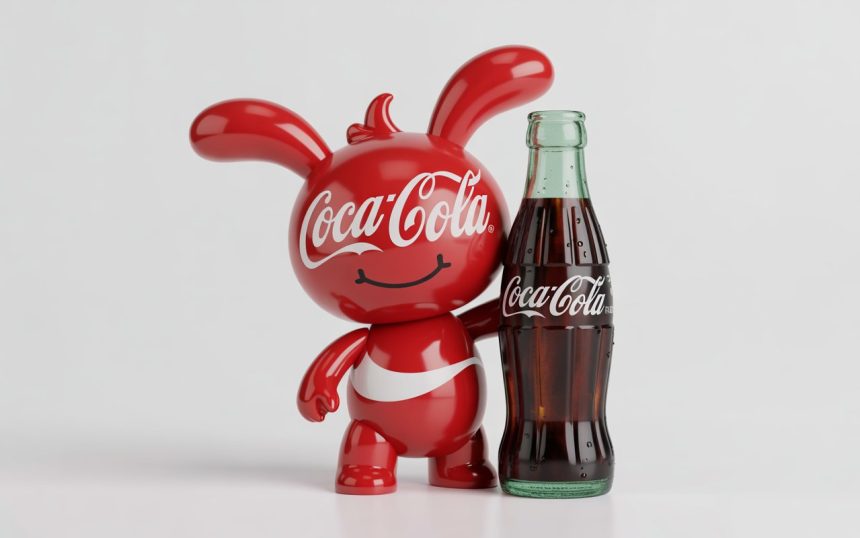
In today’s world, trends move faster than ever. One week people are talking about a new fashion drop, and the next week everyone is hunting for a rare designer toy hidden inside a mystery box. Among the newest cultural sensations making waves across social media is the unexpected connection between Coca-Cola and Labubu. At first glance, a soft-drink giant and a mischievous toy character may seem worlds apart. But when branding, creativity, and collector culture collide, something magical happens.
The rise of Coca-Cola Labubu collaborations and themed collectibles has become more than just a niche hobby. It represents a growing movement where art toys, street culture, nostalgia, and lifestyle marketing blend into one colorful universe. From viral unboxing videos to limited-edition merchandise, people across different age groups are becoming fascinated by this unique crossover.
So, what exactly makes Coca-Cola Labubu so popular? Why are collectors rushing to grab these figures before they disappear? And how did a playful monster-like character become part of a worldwide branding conversation?
Let’s explore the phenomenon in detail.
What Is Labubu and Why Is Everyone Talking About It?
Labubu is a fictional character created by artist Kasing Lung, known for his imaginative storytelling and whimsical monster designs. The character gained massive popularity through collectible toy company POP MART, which introduced Labubu figures in blind boxes and special editions.
What makes Labubu stand out is its unusual appearance. It looks both cute and mischievous at the same time. With sharp teeth, expressive eyes, furry textures, and playful outfits, the character creates an emotional connection with fans. It’s almost like meeting a cartoon creature that escaped from a dream world.
Collectors often compare Labubu toys to tiny works of art rather than ordinary merchandise. Each release tells a story through costumes, themes, and seasonal designs. Some editions are cheerful and colorful, while others carry fantasy or vintage aesthetics.
The mystery-box format also adds excitement. Buyers never know which figure they’ll receive until the package is opened. That surprise element turns collecting into an adventure, similar to opening treasure chests in a game.
The Power Behind the Coca-Cola Brand
Few companies in history have mastered branding as effectively as The Coca-Cola Company. Coca-Cola is not just a beverage brand; it’s a cultural symbol recognized around the globe.
For decades, Coca-Cola has connected itself with happiness, celebration, friendship, and nostalgia. Whether through holiday campaigns, music partnerships, or collectible packaging, the company understands how emotions influence consumer behavior.
One reason Coca-Cola remains relevant is its ability to adapt to younger audiences. Instead of relying only on traditional advertising, the company frequently collaborates with artists, designers, gaming brands, musicians, and pop culture icons.
This strategy helps Coca-Cola remain fresh in an age dominated by digital trends and social media conversations.
How Coca-Cola and Labubu Became a Viral Combination
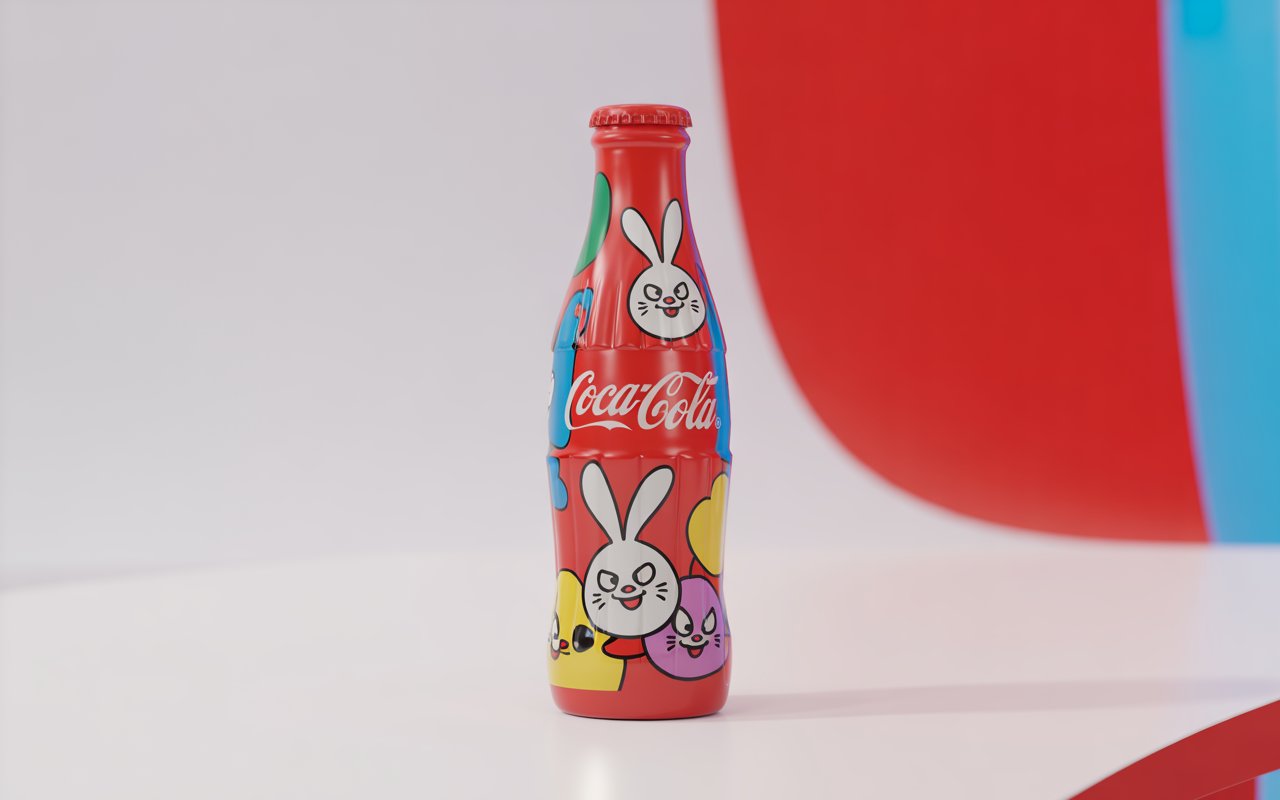
The combination of Coca-Cola and Labubu feels unexpected, yet strangely perfect. Both brands share one powerful characteristic: emotional appeal.
Labubu sparks excitement through creativity and rarity, while Coca-Cola triggers familiarity and nostalgia. Together, they create a product experience that feels collectible, artistic, and emotionally engaging.
Social media played a massive role in amplifying this trend. Platforms like TikTok and Instagram became flooded with unboxing clips, display shelf tours, collector reactions, and limited-edition reveals.
People enjoy sharing collectible discoveries online because it combines storytelling with personal identity. Owning a rare figure feels like belonging to an exclusive club. When Coca-Cola aesthetics entered that space, the visual appeal became even stronger.
Bright red packaging, vintage bottle imagery, and playful character design created a perfect recipe for online virality.
The Psychology Behind Collectible Culture
Why do people become obsessed with collectibles in the first place?
The answer lies in human psychology. Collecting gives people excitement, achievement, and emotional satisfaction. It taps into curiosity and nostalgia while also providing a sense of identity.
Think of collectible culture like building a memory shelf. Every figure represents a moment, emotion, or experience. Some people collect because they love the artwork. Others enjoy the thrill of rarity. Many simply appreciate being part of a community.
Blind-box toys such as Labubu make the experience even more addictive because uncertainty increases anticipation. That mystery transforms a simple purchase into a miniature event.
Limited-edition Coca-Cola Labubu releases also create urgency. When people know an item may disappear forever, demand rises quickly. Scarcity becomes part of the attraction.
The Influence of Social Media and Influencers
Modern trends rarely spread without social media influence. Platforms driven by short-form video content have turned collectible toys into mainstream entertainment.
Creators often film themselves opening mystery boxes, organizing collections, or reviewing rare figures. These videos attract millions of views because they combine suspense, surprise, and visual satisfaction.
Coca-Cola Labubu products naturally fit into this ecosystem. Their vibrant colors and recognizable branding photograph beautifully, making them ideal for online sharing.
Influencers also contribute to hype by discussing rare editions and market value. Once a collectible gains momentum online, it quickly turns into a global trend.
This digital exposure has transformed designer toys from niche art pieces into mainstream lifestyle symbols.
Why Younger Generations Love Designer Toys
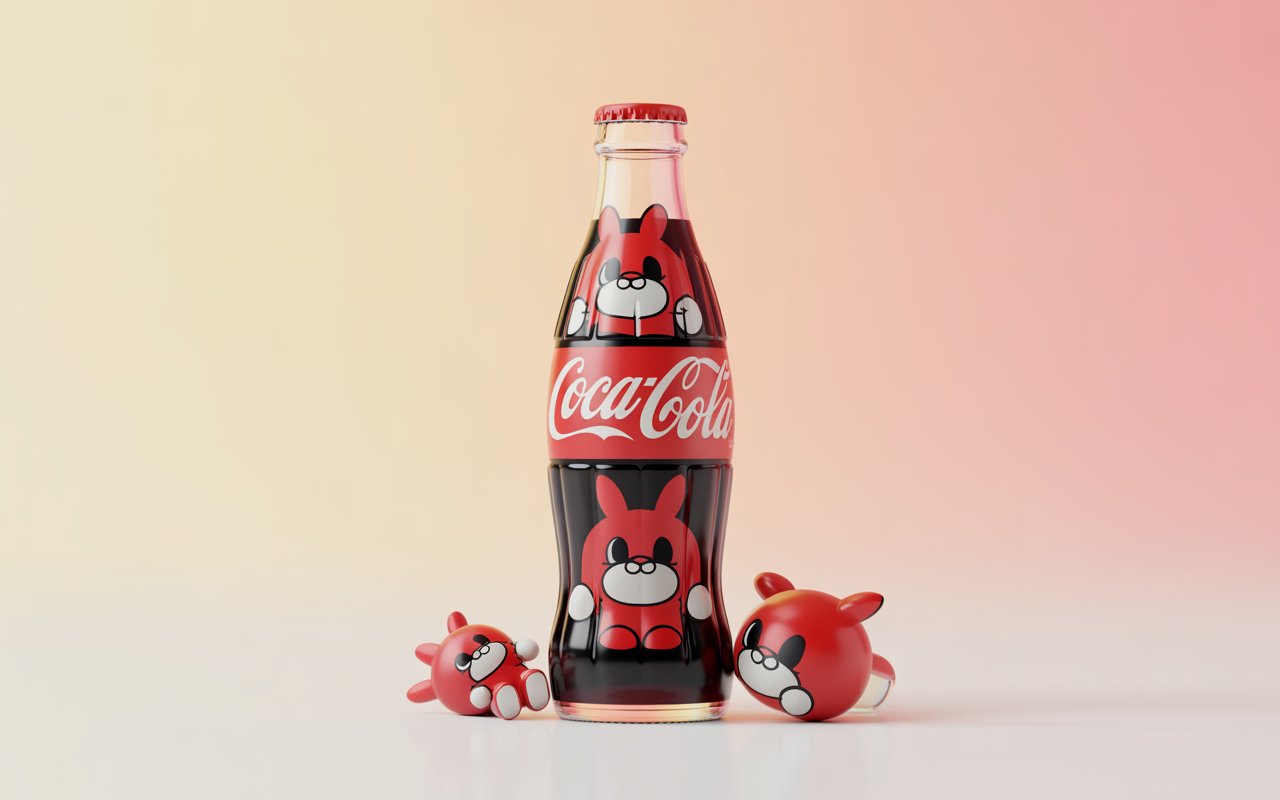
Millennials and Gen Z audiences are especially drawn toward collectibles like Labubu. Unlike older generations that focused heavily on traditional luxury goods, younger consumers often value experiences, creativity, and individuality.
Designer toys feel personal. They allow people to decorate rooms, desks, or shelves in ways that reflect personality and taste.
For many collectors, these figures also provide comfort. In a stressful world filled with constant pressure, playful collectibles offer a small escape into imagination and creativity.
The Coca-Cola Labubu trend succeeds because it combines childhood nostalgia with modern aesthetics. It feels both familiar and fresh at the same time.
That balance is incredibly powerful in today’s consumer culture.
Limited Editions and the Fear of Missing Out
One of the biggest drivers behind collectible demand is FOMO — the fear of missing out.
Brands understand that scarcity creates excitement. When people hear phrases like “limited release” or “exclusive edition,” attention instantly increases.
Coca-Cola Labubu figures often gain popularity because they are difficult to obtain. Some releases sell out within minutes, while rare versions appear later on resale markets at much higher prices.
Collectors begin tracking launch dates, joining online communities, and even waiting in long lines for new drops.
This behavior may sound intense, but it reflects how modern consumer culture has evolved. Collectibles are no longer viewed as simple toys. They are now connected to fashion, identity, social status, and even investment potential.
The Artistic Side of the Labubu Universe
Although many people focus on rarity and resale value, Labubu’s artistic appeal remains central to its success.
The character belongs to a larger fantasy universe filled with storytelling, emotion, and imagination. Different editions showcase unique moods and themes, ranging from cozy winter styles to adventurous fantasy concepts.
This artistic identity separates Labubu from ordinary mass-produced products. Collectors often display figures like gallery pieces because each design carries personality and visual expression.
When paired with Coca-Cola branding, the artistic contrast becomes even more interesting. A globally recognized beverage company merges with whimsical fantasy art, creating a crossover that feels modern and playful.
How Brand Collaborations Shape Modern Marketing
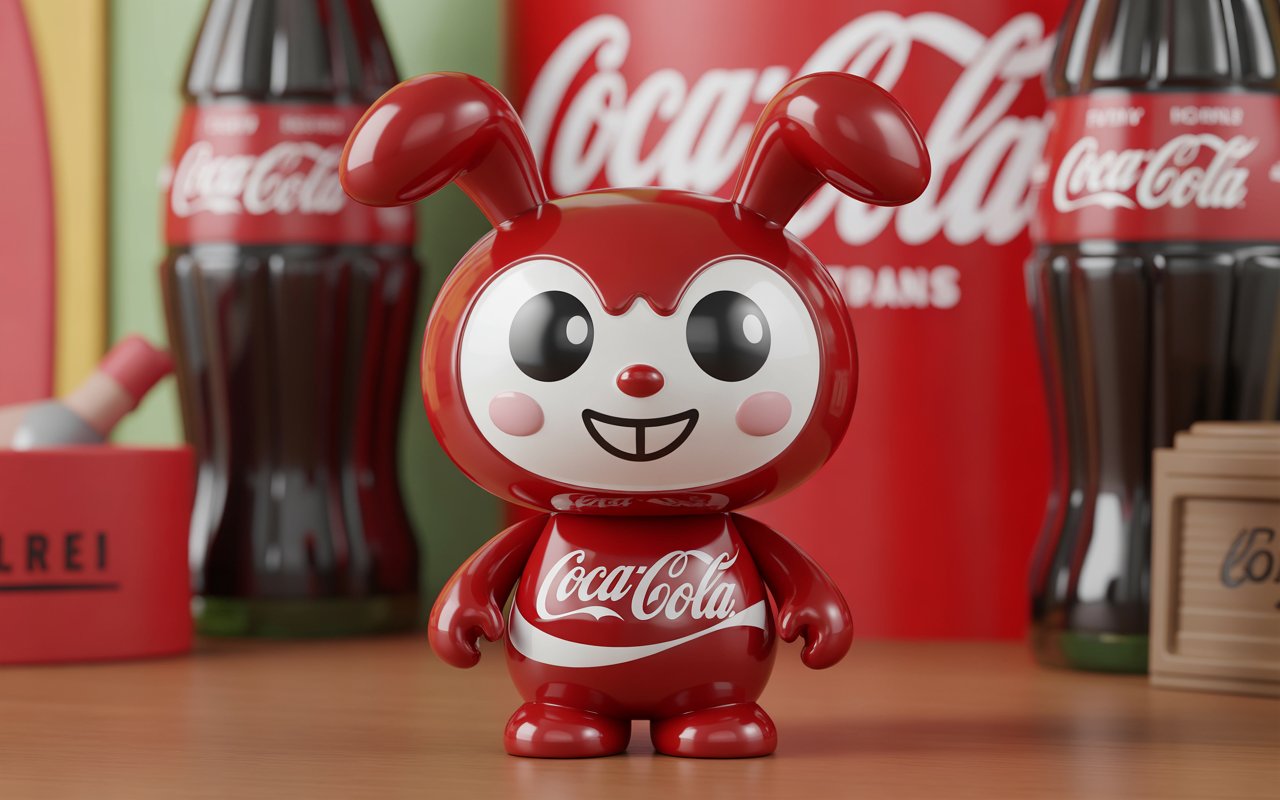
Collaborations have become one of the strongest tools in modern marketing. Instead of promoting products alone, companies now partner with creators, artists, celebrities, and entertainment franchises to generate excitement.
This approach works because collaborations create fresh narratives. Consumers become curious about how two different worlds will blend together.
The Coca-Cola Company has collaborated with music artists, gaming brands, fashion labels, and entertainment franchises before. The Labubu connection follows that same strategy but targets collectible culture specifically.
Meanwhile, POP MART benefits from increased mainstream visibility.
It’s a win-win situation where both sides gain access to wider audiences.
The Growing Resale Market for Rare Collectibles
Another major reason behind the Coca-Cola Labubu craze is the booming resale market.
Some rare figures become highly valuable after official stock disappears. Collectors sometimes trade or resell items through online marketplaces and private communities.
This resale culture adds another layer of excitement because buyers feel they may own something that increases in worth over time.
However, not every collector participates for profit. Many people simply enjoy the emotional satisfaction of completing sets or finding favorite designs.
The resale world also creates competition. Rare editions become conversation pieces, almost like modern trading cards or vintage sneakers.
In many ways, collectible toys now function similarly to wearable art or cultural artifacts.
The Emotional Connection Between Brands and Consumers
Successful branding isn’t only about selling products. It’s about creating emotional memories.
Coca-Cola has spent generations associating itself with joy, friendship, and celebrations. Labubu, on the other hand, represents imagination and playful creativity.
When those emotional worlds combine, consumers experience something deeper than ordinary marketing.
It’s similar to hearing an old favorite song in a new movie. The familiarity creates comfort, while the fresh context creates excitement.
That emotional layering explains why people become attached to limited-edition collaborations. They feel meaningful, memorable, and personal.
What the Future Holds for Coca-Cola Labubu Collaborations
The future looks promising for collectible collaborations involving global brands and designer toys.
As younger audiences continue embracing pop culture merchandise, companies will likely invest even more in artistic partnerships and limited-edition releases.
We may see expanded product lines, interactive experiences, themed packaging, or digital collectible integrations in the coming years.
The success of Coca-Cola Labubu proves that modern consumers value creativity just as much as functionality. People no longer buy products solely because they need them. They also buy experiences, emotions, and stories.
That shift is transforming industries around the world.
FAQs
What is Coca-Cola Labubu?
Coca-Cola Labubu refers to themed collaborations, collectibles, or designer toys that combine Coca-Cola branding with the popular Labubu character created by Kasing Lung and distributed through POP MART.
Why is Labubu so popular?
Labubu became popular because of its unique design, emotional storytelling, limited-edition releases, and strong presence in collectible toy culture and social media communities.
Are Coca-Cola Labubu figures valuable?
Some editions can become valuable in resale markets, especially rare or limited versions that quickly sell out after release.
Who created Labubu?
Labubu was created by artist Kasing Lung, whose imaginative monster characters gained worldwide attention through collectible toy culture.
Where can collectors buy Labubu products?
Collectors commonly purchase Labubu figures through official POP MART stores, online marketplaces, special collaboration events, and collectible toy retailers worldwide.
Conclusion
The Coca-Cola Labubu phenomenon is more than a passing internet trend. It represents a new era where branding, storytelling, collectibles, and digital culture intersect in exciting ways.
What makes this crossover special is its ability to connect with people emotionally. Labubu offers imagination and artistic charm, while Coca-Cola contributes familiarity and timeless branding power. Together, they create a collectible experience that feels nostalgic, modern, playful, and visually unforgettable.
In many ways, the trend reflects how today’s audiences interact with culture itself. People want products that tell stories, spark conversations, and express personality. They crave moments that feel unique and shareable.
As collectible culture continues evolving, collaborations like Coca-Cola Labubu will likely become even more influential. Whether you’re a serious collector or simply curious about viral trends, one thing is clear: this colorful partnership has captured global attention in a truly memorable way.