







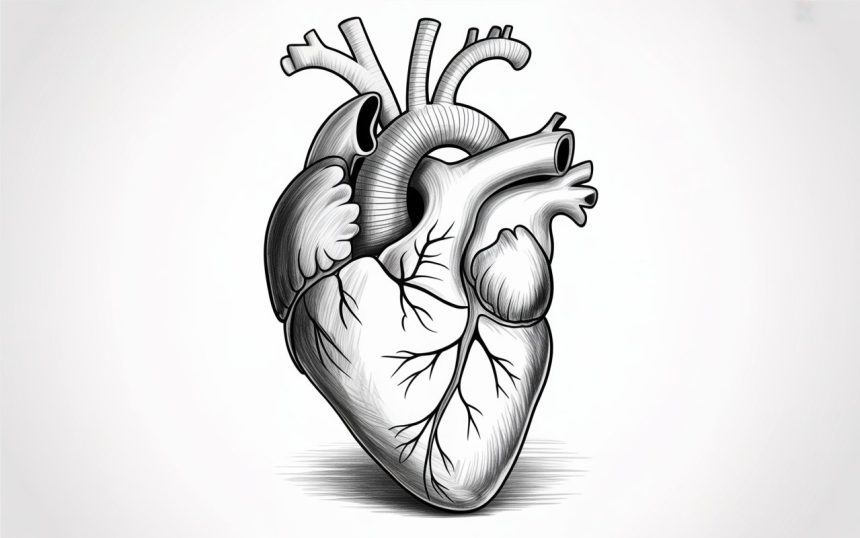
Heart drawings have a special place in art because they speak a universal language. A simple heart shape can represent love, friendship, kindness, passion, or even healing. Whether you are doodling in a notebook, designing a greeting card, or creating a detailed sketch, drawing hearts is one of the easiest and most enjoyable ways to express emotion through art.
The beauty of heart art is that anyone can do it. You do not need expensive tools or years of experience. A pencil, paper, and a little imagination are often enough to begin. Some people enjoy making cute cartoon hearts, while others prefer realistic anatomical illustrations filled with detail and texture. No matter your style, heart drawing offers endless creative possibilities.
In this article, you will explore different styles, techniques, tools, and creative ideas that can help you improve your artistic skills while enjoying the process. Think of heart drawing as planting a small seed. With patience and creativity, it slowly grows into something meaningful and beautiful.
The Meaning Behind Heart Drawings
The heart symbol has been recognized across cultures for centuries. It often represents affection and emotional connection, but its meaning can change depending on the design, colors, and artistic approach used.
A bright red heart may symbolize romance and passion, while a broken heart can express sadness or loss. Hearts surrounded by flowers might communicate joy and celebration. Because of this flexibility, heart illustrations are commonly used in cards, tattoos, digital art, logos, and school projects.
Artists also use heart imagery to communicate emotions that words sometimes fail to express. Have you ever looked at a drawing and instantly felt warmth or nostalgia? That is the quiet magic of visual symbolism—where a single image can speak louder than an entire page of words. Even a simple sketch can create a strong emotional response.
Why Heart Drawing Is Perfect for Beginners
Many beginners start their artistic journey with hearts because the shape is familiar and forgiving. Unlike complex landscapes or portraits, hearts are easier to sketch and can still look impressive with minimal effort.
The basic structure is made from smooth curves and balanced symmetry. Once you understand the foundation, you can experiment with countless variations. You can stretch the shape, decorate it, turn it into characters, or blend it into larger artwork.
Heart drawing also helps beginners improve important artistic skills such as:
- Hand control
- Symmetry
- Shading
- Line confidence
- Creativity
- Composition
Because the design is simple, artists can focus more on technique and style rather than worrying about complicated anatomy or perspective.
Essential Tools for Heart Art
You do not need a professional studio to create impressive heart sketches. Still, having the right tools can make the process smoother and more enjoyable.
Pencils and Erasers
A standard graphite pencil is ideal for sketching outlines and practicing shapes. Softer pencils create darker lines and better shading, while harder pencils are useful for cleaner details. A quality eraser helps remove mistakes without damaging the paper.
Markers and Colored Pencils
Color adds personality and emotion to heart artwork. Red and pink are classic choices, but blue, purple, black, and gold can create unique moods and visual impact.
Fine Liners
Fine-tip pens are excellent for outlining and adding decorative details. They create sharp, crisp edges that make illustrations stand out.
Digital Drawing Tablets
Many artists now create heart designs digitally using tablets and drawing software. Digital tools allow endless experimentation without wasting paper, making them popular among modern illustrators.
The best tool is the one that makes you feel comfortable and inspired to create.
Understanding the Basic Heart Shape
Before exploring advanced styles, it helps to master the classic heart structure. Surprisingly, many people struggle with creating balanced hearts because they rush through the process.
Start by drawing a vertical guideline down the center. Then sketch two circles or curved bumps at the top. Connect them with smooth lines that taper into a point at the bottom.
This method creates symmetry and helps the heart look more polished. Think of the shape like two hills flowing into a valley before meeting at a sharp point below.
The key is smoothness. Jagged lines can make the design appear awkward, while soft curves create elegance and harmony.
Practice slowly at first. Over time, your hand memory improves naturally.
Creative Styles of Heart Drawing
One reason heart art remains popular is the incredible variety of styles available. You can make the same symbol appear playful, dramatic, elegant, or realistic depending on your approach.
Cute Cartoon Hearts
Cartoon hearts often include smiling faces, tiny arms, or exaggerated expressions. These are popular in stickers, animations, and social media art because they feel cheerful and approachable.
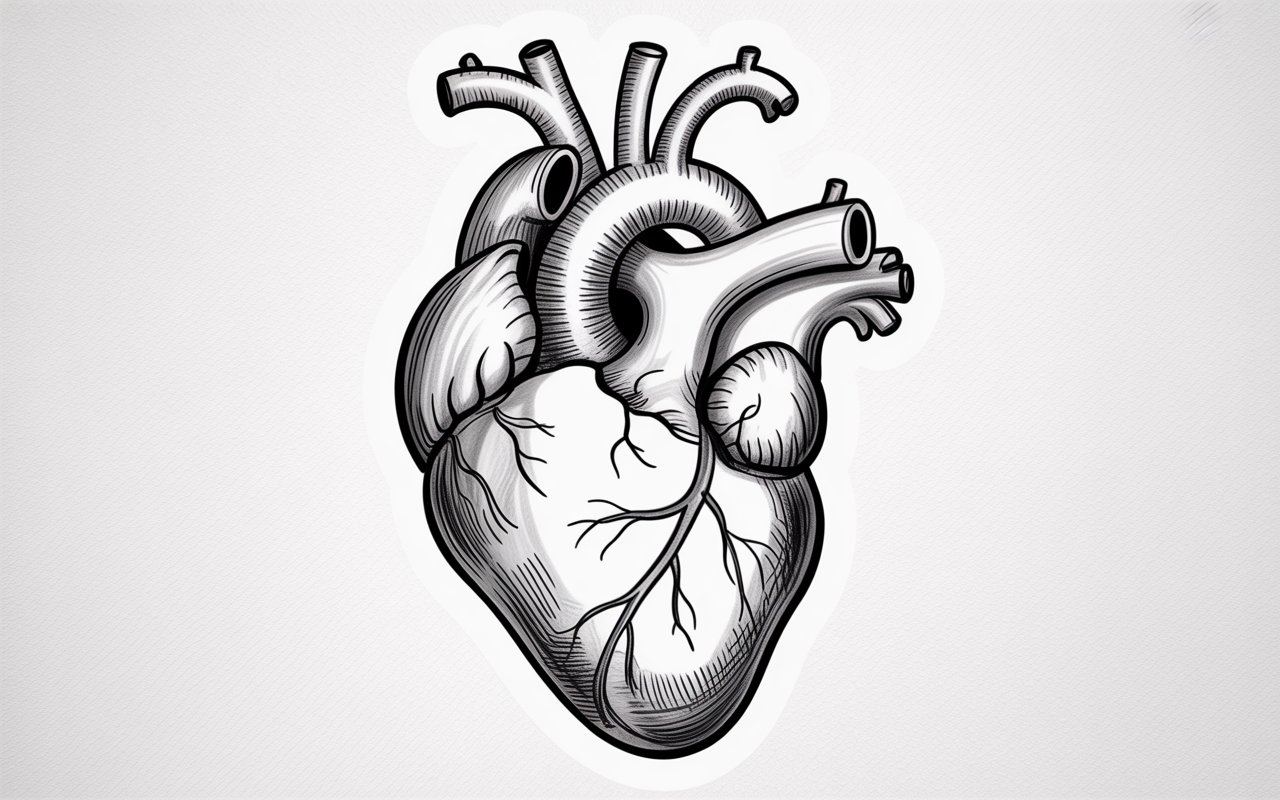
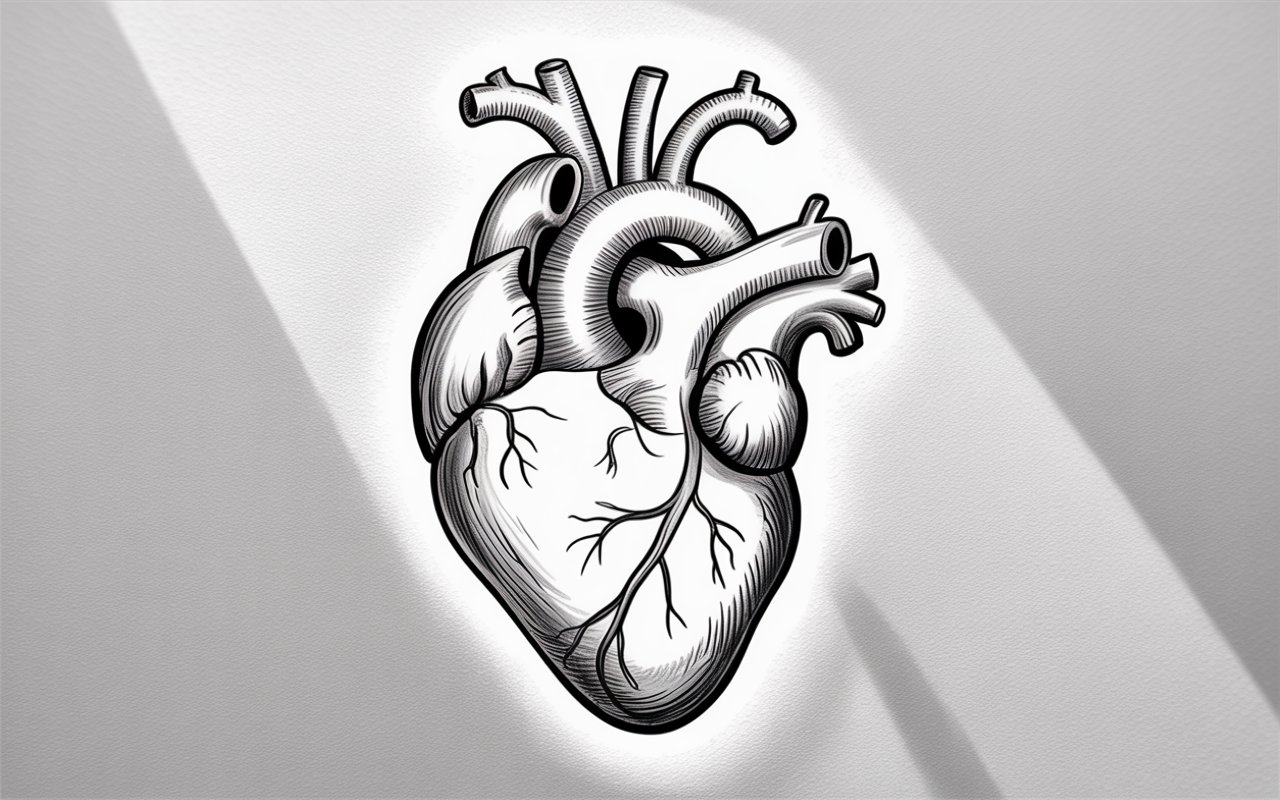
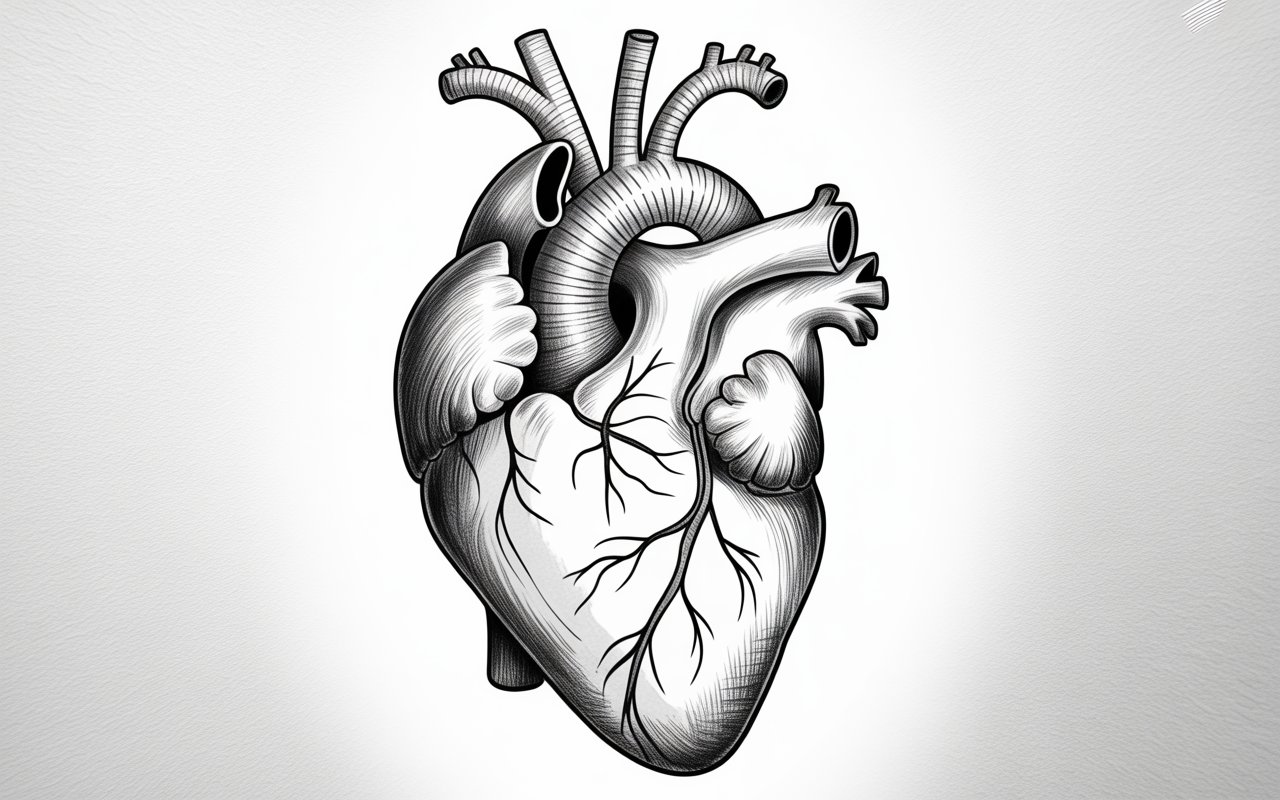
Realistic Anatomical Hearts
Unlike symbolic hearts, anatomical versions focus on the actual structure of the human organ. These drawings require more detail and observation, but they can become stunning pieces of artwork.
Floral Heart Designs
Flowers wrapped around heart outlines create romantic and decorative compositions. Roses, vines, and leaves add softness and elegance.
Abstract Heart Art
Abstract styles use unusual patterns, textures, and shapes to create emotional impact. Some artists combine splashes of color or geometric elements to make their artwork more modern.
Graffiti and Street Art Hearts
Bold outlines, dripping paint effects, and vibrant colors give hearts an energetic urban feel. This style is especially popular in murals and digital artwork.
Each artistic direction tells a different story. Which style matches your personality?
The Role of Color in Heart Illustrations
Color can completely change the mood of a drawing. A heart is never just a heart once color enters the picture.
Red remains the most recognizable choice because it symbolizes passion and affection. Pink often suggests sweetness or innocence. Black hearts may represent mystery or grief, while golden hearts communicate luxury and admiration.
Artists frequently use gradients and blending techniques to create depth and emotion. Soft shading can make a heart appear glowing and alive, while bold contrasts create dramatic visual energy.
Imagine color as the voice of your artwork. Even if two artists draw identical shapes, the emotional message changes based on their color choices.
Techniques That Improve Heart Drawings
Improvement does not happen overnight, but certain techniques can dramatically enhance your artwork.
Shading
Shading gives dimension and realism. Lightly darkening one side of the heart creates the illusion of depth and form.
Highlights
Adding small white areas where light would naturally hit makes drawings appear glossy or three-dimensional.
Texture
Texture can make a heart look metallic, wooden, glass-like, or soft. Experimenting with textures helps artwork feel more dynamic.
Line Variation
Thicker outlines create emphasis, while thinner lines add delicacy. Combining both can make illustrations more visually interesting.
Layering
Building artwork gradually in layers improves accuracy and control. Many artists sketch lightly before committing to darker details.
These small adjustments can transform a simple doodle into eye-catching art.
Digital Heart Drawing and Modern Creativity
Technology has completely changed how artists create and share their work. Today, digital heart illustrations appear everywhere, from social media posts to mobile apps and branding materials.
Digital platforms allow artists to:
- Undo mistakes instantly
- Experiment with endless colors
- Add effects and textures
- Create animations
- Share artwork globally
Many beginners enjoy digital drawing because it removes the fear of making permanent mistakes. Layers and editing tools encourage experimentation and creative freedom.
Social media platforms have also helped heart art evolve into trendy aesthetics such as minimalist line art, neon designs, and animated illustrations.
The digital world has become a giant gallery where creativity spreads rapidly across cultures and communities.
Using Heart Drawings in Everyday Life
Heart illustrations are not limited to sketchbooks. They appear in countless everyday items and creative projects.
People use heart art for:
- Greeting cards
- Wedding invitations
- Tattoos
- Scrapbooks
- Wall decorations
- Jewelry designs
- Clothing prints
- Social media graphics
- School projects
Businesses also use heart symbols in branding because they create emotional connections with audiences. A heart instantly feels human and relatable.
Even simple hand-drawn hearts can add personality to ordinary objects. A notebook cover, coffee mug, or handwritten note suddenly feels more meaningful with artistic touches.
Common Mistakes Beginners Should Avoid
Every artist makes mistakes while learning, and that is perfectly normal. However, recognizing common issues can help you improve faster.
Uneven Symmetry
One side larger than the other is a frequent problem. Using guidelines can help balance the shape.
Overworking the Drawing
Too many corrections can make lines messy. Light sketching first usually creates cleaner results.
Ignoring Proportions
Some beginners create hearts that are too narrow or too wide. Observing references improves proportion awareness.
Rushing Through Details
Good art often comes from patience. Small details such as shading and highlights make a big difference.
Fear of Experimentation
Many people stay stuck drawing only one type of heart. Trying new styles builds confidence and creativity.
Remember, mistakes are not signs of failure. They are stepping stones that guide improvement.
How Heart Drawing Helps Emotional Expression
Art is more than decoration. It can become a powerful emotional outlet.
Many people draw hearts during emotional moments because the symbol feels personal and comforting. Someone might sketch tiny hearts while daydreaming, create bold dramatic hearts after heartbreak, or design colorful hearts to celebrate happiness.
Drawing can reduce stress and encourage mindfulness. The repetitive motion of sketching curves often feels calming, almost like meditation. In difficult moments, art provides a quiet space where emotions can exist without judgment.
Heart illustrations are especially meaningful because they connect directly with human emotion. They remind us of relationships, memories, and experiences that matter deeply.
Fun Ideas to Make Your Heart Drawings Unique
If you want your artwork to stand out, creativity is your best friend. Small additions can transform a basic sketch into something memorable.
Try experimenting with ideas like:
Nature Themes
Blend hearts with clouds, trees, oceans, or stars for dreamy visual effects.
Typography
Add meaningful quotes or handwritten words inside the heart shape.
Galaxy Hearts
Use cosmic colors, planets, and sparkling stars for a magical appearance.
Animal-Inspired Designs
Combine hearts with butterflies, birds, or cats to create playful artwork.
Seasonal Concepts
Create holiday-inspired hearts using snowflakes, autumn leaves, or summer flowers.
The possibilities are endless. Art becomes more exciting when you allow your imagination to explore freely.
Practicing Regularly Without Losing Motivation
One of the biggest challenges artists face is consistency. Some people become frustrated when their drawings do not match their expectations immediately.
The truth is that improvement happens gradually. Every sketch teaches something new, even when it feels imperfect.
A useful strategy is to keep a dedicated sketchbook for daily practice. Draw one heart every day using different styles or techniques. Over time, you will notice smoother lines, better shading, and stronger creativity.
You can also study other artists for inspiration. Observing different techniques expands your artistic vocabulary and helps you discover your own style.
Most importantly, enjoy the process. Art should feel expressive, not stressful.
The Growing Popularity of Heart Art Online
Heart-themed artwork has exploded in popularity across digital platforms. From minimalist illustrations to animated stickers, the internet is filled with creative interpretations of this timeless symbol.
Many creators share speed drawing videos, tutorials, and design challenges that inspire beginners to participate. Online communities encourage artists to experiment and improve together.
Trends continue to evolve as well. Some years favor soft pastel aesthetics, while others highlight bold neon visuals or vintage-inspired line art. Yet despite changing styles, heart imagery never truly goes out of fashion.
Why? Because emotions never stop being relevant.
FAQs
1. What is the easiest way to draw a heart for beginners?
The easiest method is to start with two circles side by side and connect them into a point at the bottom. Using guidelines helps create symmetry and balance.
2. Which tools are best for heart drawing?
Basic pencils, erasers, fine liners, colored pencils, and markers work well for beginners. Digital tablets are also excellent for modern artwork.
3. How can I make my heart drawings look realistic?
Focus on shading, highlights, and texture. Adding depth and smooth color blending can make the drawing appear more three-dimensional.
4. Why are heart drawings so popular in art?
Hearts symbolize emotion and connection, making them universally meaningful. They are simple to draw yet capable of expressing deep feelings.
5. Can heart drawings be used professionally?
Yes. Heart artwork is commonly used in branding, tattoos, graphic design, greeting cards, fashion, and digital media projects.
Conclusion
Heart drawing is far more than a simple artistic exercise. It is a creative language that allows people to express emotion, imagination, and personality in a visual form everyone understands. Whether you prefer realistic sketches, playful cartoons, or abstract digital designs, the heart symbol offers endless room for artistic exploration.
The wonderful thing about this type of art is its accessibility. You do not need advanced training or expensive materials to begin. With practice, patience, and curiosity, even the simplest sketch can evolve into something meaningful and beautiful.
Art often mirrors life itself. Some hearts are polished and perfect, while others are cracked, colorful, or wildly imaginative. Each one tells a story. So grab a pencil, start sketching, and let your creativity speak from the heart.