








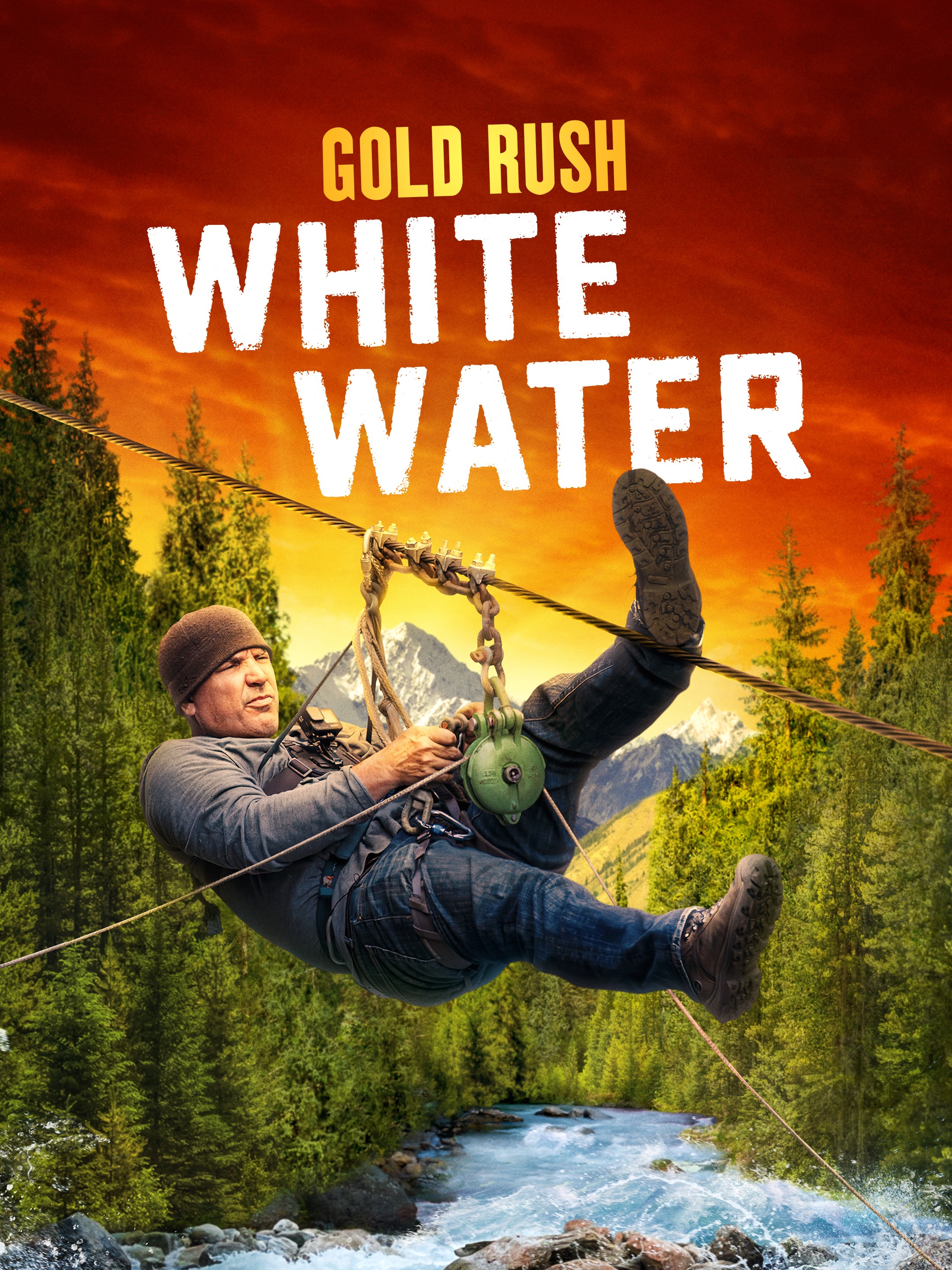
Gold mining has always been associated with risk, adventure, and the dream of striking it rich. While many people picture miners digging deep underground or operating massive excavators in open pits, another form of gold mining takes place in one of the most dangerous environments imaginable—fast-moving mountain rivers. The television series Gold Rush: White Water explores this extreme method of mining, showing viewers how modern prospectors dive into icy Alaskan rapids in search of gold hidden beneath the riverbed.
The show is a spin-off of the popular reality series gold rush white water, which follows different crews mining for gold across North America. While the original series focuses on land-based operations using heavy equipment, White Water shifts the spotlight to a much riskier approach: underwater mining in turbulent rivers where gold may have settled over thousands of years.
At the center of the show is Dustin Hurt, who leads a small but determined crew of miners on their quest to recover gold from riverbeds deep in the wilderness of Alaska.
The Concept Behind Gold Rush: White Water
The idea behind Gold Rush: White Water is both simple and daring. Over centuries, gold from nearby mountains erodes and washes into rivers. Because gold is extremely heavy compared to other minerals, it eventually sinks to the bottom of streams and becomes trapped in cracks between rocks.
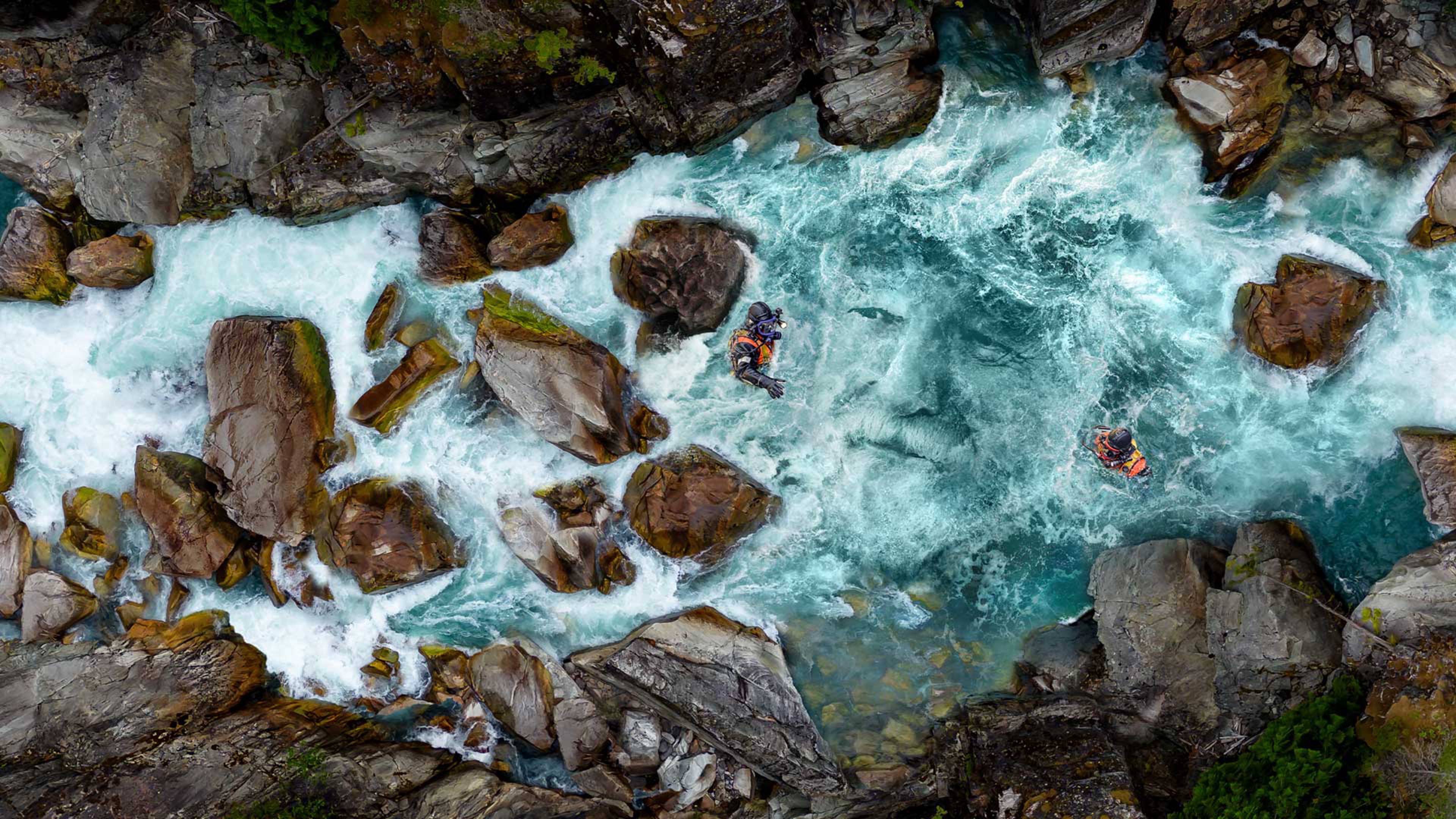
In calm streams, this gold can sometimes be collected using pans or small sluices. But in steep mountain rivers, the situation is far more complicated. Strong currents carry gravel and boulders that bury gold deep beneath layers of rock and sediment. Reaching these deposits requires divers to enter the water and vacuum the material from the riverbed using powerful suction dredges.
This is exactly what the crew attempts to do on the show. Instead of digging through dirt and gravel on land, they must fight freezing water, dangerous currents, and limited visibility while searching for hidden pockets of gold.
Mining in McKinley Creek
Much of the action in the series takes place around McKinley Creek, a remote area known for its challenging terrain and powerful mountain streams. The environment is breathtaking but unforgiving.
The miners set up camps in the wilderness and work during the short Alaskan summer season. Even during warmer months, river water remains extremely cold because it is fed by snowmelt from nearby mountains. Divers often wear specialized suits to protect themselves from hypothermia while they search the riverbed for gold.
Reaching promising mining spots is another challenge. The crew must hike through rugged terrain, transport heavy equipment, and build structures that allow them to access the river safely.
The Dangerous Art of Underwater Gold Mining
What makes Gold Rush: White Water unique is its focus on underwater dredging. Divers descend into rushing water carrying hoses connected to powerful pumps. These pumps suck gravel and sediment from the riverbed, allowing miners to process the material and search for gold.
The work is extremely dangerous. Strong currents can pull divers downstream, while shifting rocks may trap equipment or block escape routes. Visibility is often poor because the dredging process stirs up sediment, turning the water murky.
In addition to physical hazards, divers must manage their air supply and communication with crew members on the surface. Every dive requires careful coordination to ensure safety.
Despite these risks, the possibility of discovering a rich gold deposit keeps the crew motivated.
Why Gold Collects in Rivers
Gold appears in rivers due to natural geological processes. Over time, rain, wind, and ice erode gold-bearing rock formations in mountains. Tiny particles of gold break loose and travel downstream with sediment.
Because gold is heavy—about nineteen times denser than water—it settles quickly once the current slows. These particles often accumulate behind large rocks, in cracks in bedrock, or in natural pockets where the current weakens.
Mountain rivers like those featured in White Water can contain especially rich deposits. Fast water carries large amounts of sediment, but heavy gold tends to remain trapped in the same locations for centuries.
Miners hope that these hidden pockets contain enough gold to make their risky operations worthwhile.
The Crew and Their Determination
The show highlights the personalities and teamwork required to survive such extreme mining conditions. The crew often faces equipment breakdowns, dangerous weather, and difficult decisions about where to mine next.
Leadership plays a critical role. Dustin Hurt pushes the team to explore deeper and more dangerous sections of the river in search of richer deposits. His determination reflects the same spirit that drove prospectors during the historic gold rushes of the 19th century.
However, success is never guaranteed. Some mining seasons end with impressive gold hauls, while others barely cover the cost of equipment and supplies. This uncertainty adds tension and excitement to every episode.
Technology Used in White Water Mining
Although the mining environment appears primitive, the crew relies on specialized equipment designed for underwater operations.
Suction dredges are the primary tools used in the show. These machines act like giant underwater vacuum cleaners, pulling gravel and sand through hoses. The material then passes through sluice boxes that trap gold particles while allowing lighter sediment to wash away.
Divers also use underwater communication systems, safety ropes, and protective suits designed to withstand freezing water temperatures. Pumps and generators power the equipment, while winches help move heavy rocks blocking access to the riverbed.
Even with modern technology, the process remains physically demanding and unpredictable.
The Appeal of the Show
Gold Rush: White Water attracts viewers because it combines adventure, danger, and the timeless dream of finding gold. The idea of searching for hidden treasure beneath roaring rapids captures the imagination.
Unlike large mining operations using massive machines, the crew operates with limited resources and relies heavily on physical effort. This creates a sense of authenticity and suspense that keeps audiences engaged.
The show also highlights the beauty of Alaska’s wilderness. Stunning landscapes, rushing rivers, and remote mountain valleys provide a dramatic backdrop for the miners’ risky work.
How the Series Connects to Gold Rush History
The story of modern river mining connects directly to the historic gold rushes that shaped parts of North America. During the 1800s, thousands of prospectors traveled to remote regions hoping to find gold in rivers and streams.
While technology has improved since those early days, the basic idea remains the same: search where gold naturally collects and hope to uncover a valuable deposit.
The miners featured in White Water represent a modern version of those early prospectors. They face many of the same challenges—harsh environments, financial risks, and uncertain rewards.
Conclusion
Gold Rush: White Water offers a thrilling look at one of the most dangerous forms of gold mining. By diving into fast-moving Alaskan rivers, miners attempt to recover gold that has been hidden beneath rocks and sediment for centuries.
The show highlights not only the physical challenges of underwater mining but also the determination required to pursue such a risky dream. From freezing water to powerful currents, every dive carries potential danger—but also the possibility of discovering a life-changing deposit of gold.
In the end, the appeal of White Water lies in its combination of adventure and hope. It reminds viewers that the spirit of the gold rush is still alive, and somewhere beneath the rushing rivers of Alaska, treasure may still be waiting to be found.