




Modern art isn’t just about unusual paintings or abstract sculptures—it’s a story of change, rebellion, and human expression. If you’ve ever stood in front of a painting and wondered, “What does this even mean?”, you’re not alone. But here’s the thing: modern art isn’t always meant to be understood in a traditional way—it’s meant to be felt.
Let’s take a deep dive into this fascinating world and uncover what makes it so powerful, influential, and sometimes… confusing.
What Is Modern Art?
Modern art refers to artistic works produced roughly from the late 19th century to the mid-20th century. It marked a significant shift from traditional styles that focused on realism and historical subjects.
Instead of simply recreating reality, artists began exploring emotion, imagination, and new perspectives. Think of it like switching from a camera that captures exactly what you see to a lens that shows how you feel about what you see.
Artists such as Pablo Picasso and Vincent van Gogh played key roles in redefining what art could be.
The Historical Roots of Modern Art
Modern art didn’t just appear out of nowhere. It grew out of a time of massive change—industrialization, urban growth, and global conflict.
The late 1800s saw the rise of new technologies like photography. Suddenly, artists didn’t need to paint realistic portraits anymore—cameras could do that better. This pushed artists to experiment.
Movements like Impressionism, led by Claude Monet, began focusing on light, color, and fleeting moments instead of precise detail.
Breaking Away from Tradition
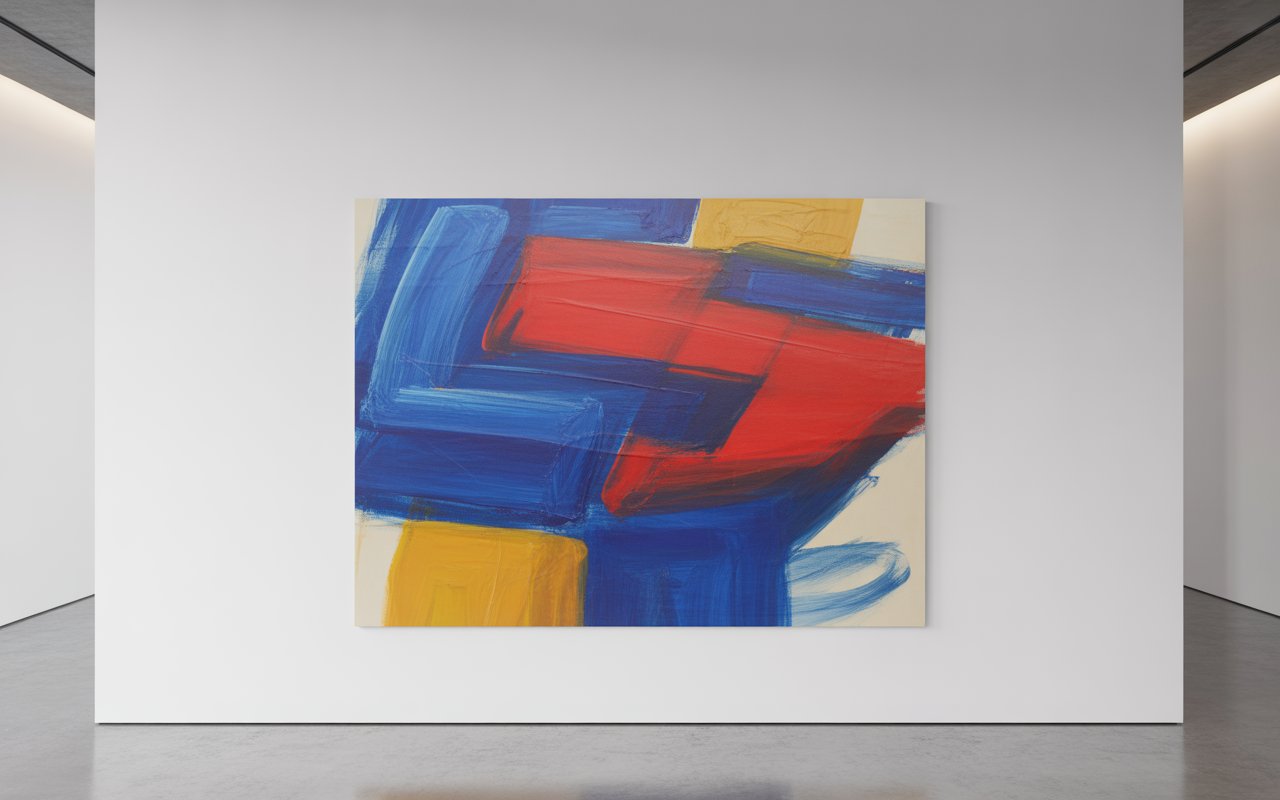
Traditional art followed strict rules—proportion, perspective, and subject matter were all carefully controlled. Modern artists broke these rules.
Why? Because they wanted freedom.
Instead of painting kings and religious scenes, artists began exploring everyday life, personal emotions, and abstract ideas. It was like shifting from formal storytelling to personal journaling.
This rebellion gave birth to a wide range of artistic styles that changed the creative landscape forever.
Key Movements in Modern Art
Impressionism
This movement focused on capturing light and movement rather than detail. Paintings often look soft and unfinished, but they beautifully capture a moment in time.
Cubism
Led by Pablo Picasso and Georges Braque, Cubism broke objects into geometric shapes, showing multiple perspectives at once.
Surrealism
Artists like Salvador Dalí explored dreams and the subconscious. Their work often feels strange, imaginative, and symbolic.
Abstract Art
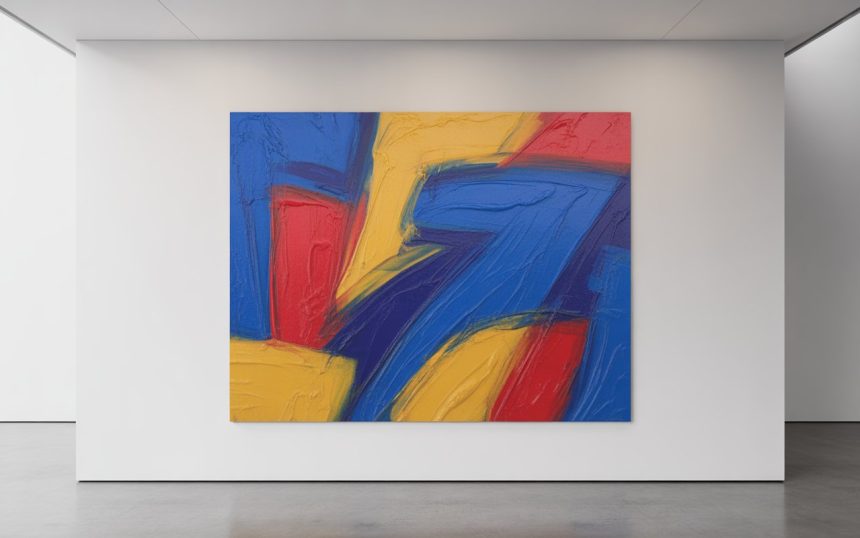
Abstract artists moved away from recognizable subjects entirely. Wassily Kandinsky believed art should express inner emotions rather than external reality.
The Role of Emotion in Modern Art
Modern art is deeply emotional. Instead of focusing on what something looks like, it focuses on how it feels.
For example, Edvard Munch’s famous painting The Scream isn’t about a person screaming—it’s about anxiety, fear, and human vulnerability.
When you look at modern art, you’re not just seeing—you’re connecting.
Why Does Modern Art Look So “Different”?
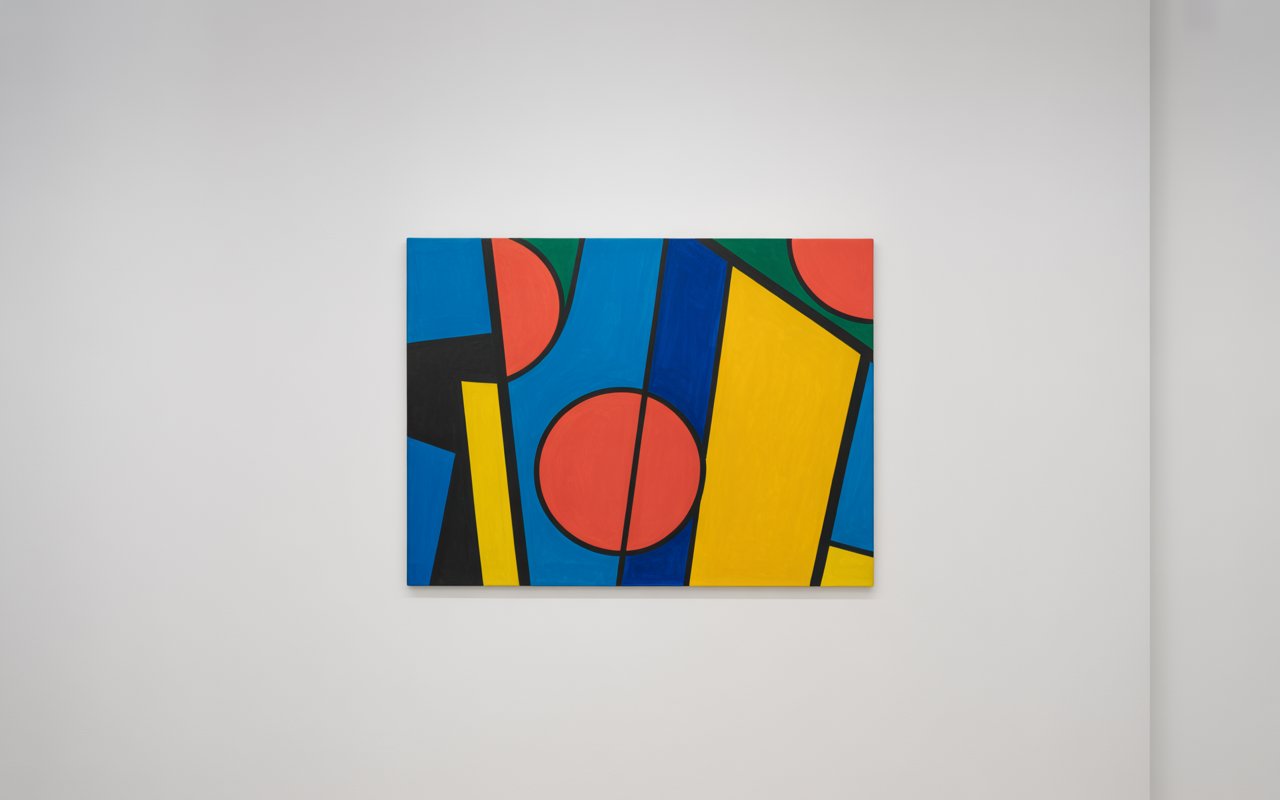
Let’s be honest—some modern artworks can feel confusing or even strange. But that’s intentional.
Modern artists wanted to challenge viewers. They asked questions like:
- What is beauty?
- What defines art?
- Can something simple still be meaningful?
Instead of giving answers, they left space for interpretation. It’s like reading poetry—you don’t always need to understand every word to feel its impact.
The Influence of Technology and Society
Modern art reflects the world it was created in. Wars, industrialization, and social change all played a role.
After events like World War I, artists began expressing chaos, confusion, and emotional trauma through their work.
New tools and materials also expanded creative possibilities. Artists experimented with photography, collage, and mixed media, pushing boundaries even further.
Famous Modern Artists You Should Know
Pablo Picasso
A master of reinvention, Picasso co-founded Cubism and constantly evolved his style.
Frida Kahlo
Known for deeply personal self-portraits that explore identity, pain, and culture.
Jackson Pollock
Famous for his “drip painting” technique, turning painting into a physical performance.
Henri Matisse
Celebrated for his bold use of color and simple forms.
Each of these artists brought something unique, shaping how we understand art today.
Modern Art vs Contemporary Art
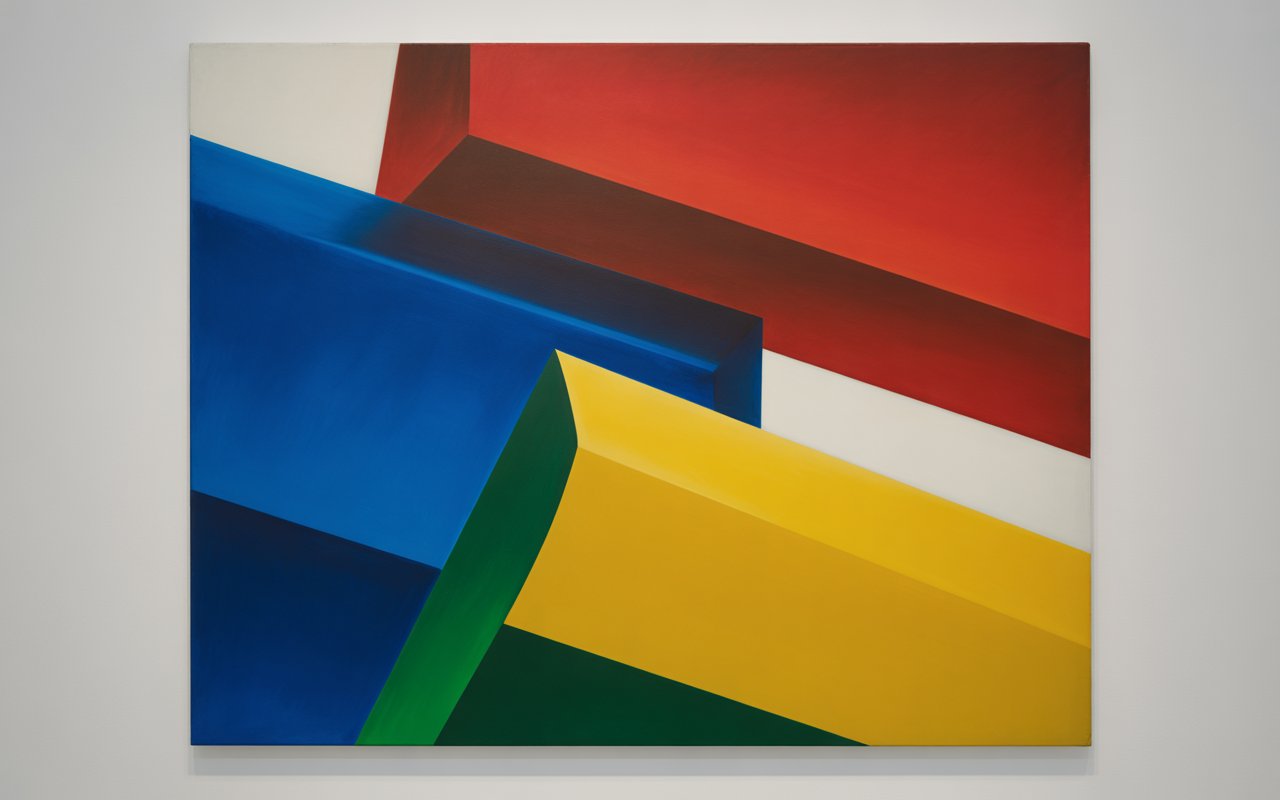
This is a common point of confusion.
- Modern art refers to a specific historical period (late 1800s to mid-1900s).
- Contemporary art refers to art created today.
Think of modern art as a foundation and contemporary art as the evolving structure built on top of it.
How to Appreciate Modern Art
You don’t need to be an expert to enjoy modern art. In fact, overthinking can sometimes get in the way.
Here’s a simple approach:
- Look first, think later – Notice colors, shapes, and feelings.
- Pause and reflect—what memories, feelings, or images does it bring to your mind?
- Feel it – Does it make you calm, confused, inspired?
Art isn’t a test—it’s an experience.
Modern Art in Everyday Life
You might not realize it, but modern art influences your daily life more than you think.
From interior design and fashion to advertising and digital media, its impact is everywhere. Minimalist design, bold colors, and abstract patterns all trace back to modern art movements.
Even logos and branding borrow ideas from artists who dared to think differently.
Criticism and Controversy
Modern art has always had its critics. Some people see it as meaningless or overly complicated.
But that’s part of its identity—it challenges norms and sparks debate.
Is a blank canvas art? Can a simple shape carry deep meaning? These questions keep the conversation alive.
And maybe that’s the point—modern art isn’t just about answers, it’s about curiosity.
The Lasting Legacy of Modern Art
Modern art reshaped our perspective, encouraging us to view the world through imagination rather than imitation. It broke rules, encouraged individuality, and opened doors for endless creativity.
Without it, many of today’s artistic expressions wouldn’t exist.
It’s like a turning point in history—a moment when art stopped copying life and started interpreting it.
Conclusion
Modern art is more than a style—it’s a mindset. It invites you to see beyond the obvious and explore deeper layers of meaning.
Whether you love it or find it puzzling, one thing is certain: it makes you think. And in a world full of noise, that’s something worth appreciating.
So next time you encounter a modern artwork, don’t rush to judge it. Pause, observe, and let it speak in its own unique language.
FAQs
1. What defines modern art?
Modern art is defined by its break from traditional styles, focusing on innovation, emotion, and new perspectives rather than realism.
2. Why is modern art often abstract?
Abstract forms allow artists to express feelings and ideas that can’t be easily represented through realistic images.
3. When did modern art begin and end?
It generally began in the late 19th century and continued until the mid-20th century.
4. Who is the most famous modern artist?
Artists like Pablo Picasso and Vincent van Gogh are among the most recognized figures.
5. How can beginners understand modern art?
Start by observing without judgment, focusing on your emotional response rather than trying to find a “correct” meaning.
Conclusion
Modern art is more than a style—it’s a mindset. It invites you to see beyond the obvious and explore deeper layers of meaning.
Whether you love it or find it puzzling, one thing is certain: it makes you think. And in a world full of noise, that’s something worth appreciating.
So next time you encounter a modern artwork, don’t rush to judge it. Pause, observe, and let it speak in its own unique language.