





Pop art has always been loud, colorful, and impossible to ignore—but what happens when we focus on the figure of man within this vibrant movement? The idea of the “pop art man” goes far beyond simple portraits. It blends identity, culture, masculinity, and media into a striking visual language that speaks directly to everyday life.
In this article, we’ll dive deep into how male representation has evolved within pop art, why it matters today, and how it continues to influence modern creativity. Whether you’re an art lover or just curious, you’ll find this journey both engaging and easy to follow.
The Origins of Pop Art and Its Cultural Roots
Pop art didn’t just appear out of nowhere—it grew from a reaction. In the 1950s and 1960s, artists began pushing back against traditional, serious art styles. Instead of focusing on abstract emotions or elite subjects, they turned to popular culture—advertisements, comic books, and everyday objects.
This shift made art feel more relatable. Suddenly, images of celebrities, products, and ordinary people became worthy of gallery walls. And within this transformation, the image of the modern man began to take shape in a completely new way.
Defining the “Pop Art Man”
So, what exactly is a “pop art man”?
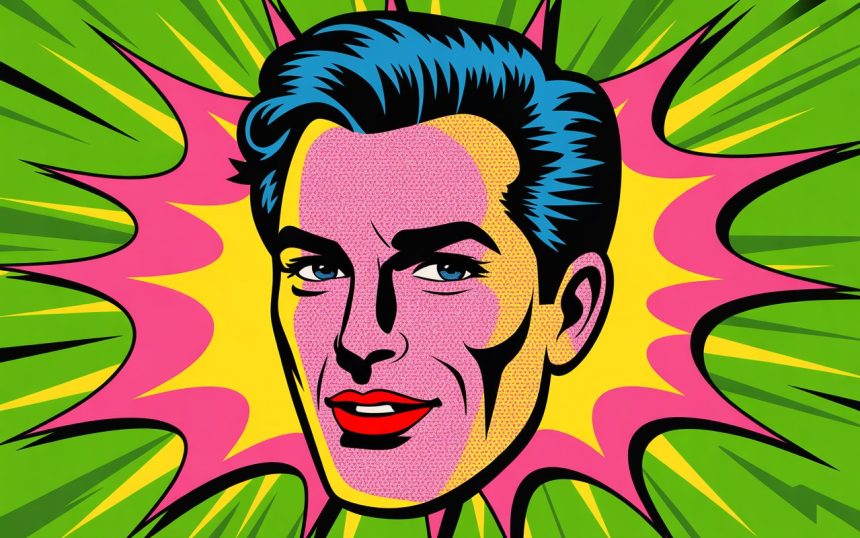
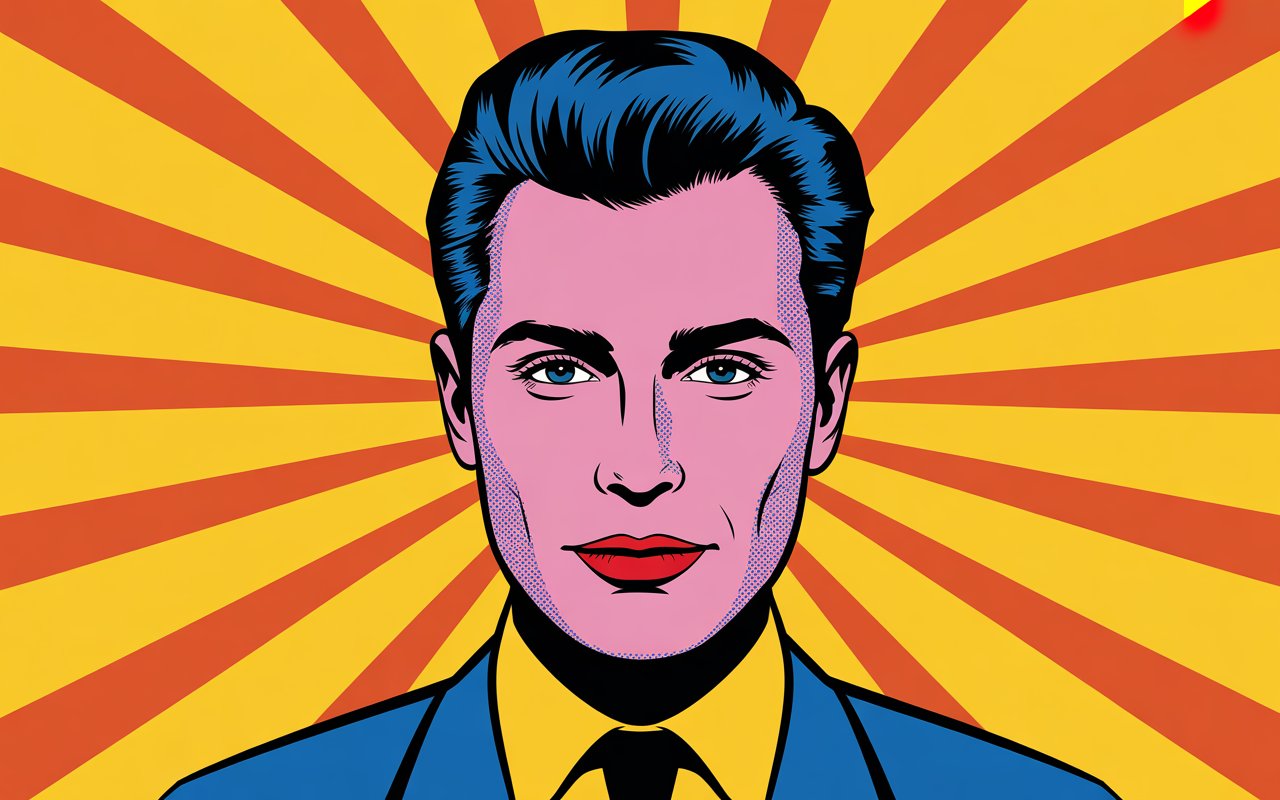
At its core, it’s a representation of masculinity filtered through bold colors, sharp contrasts, and cultural references. Instead of realistic portraits, you’ll often see exaggerated expressions, comic-style outlines, and graphic patterns.
Key traits include:
- Strong visual impact
- Simplified yet expressive features
- References to media, fame, or consumer culture
- A mix of humor and critique
Think of it like turning a human figure into a billboard—eye-catching, memorable, and layered with meaning.
Masculinity Through a Pop Lens
Pop art doesn’t just show men—it questions what it means to be one.
Traditional masculinity often emphasizes strength, control, and stoicism. But pop art flips this idea. It exaggerates emotions, highlights vulnerability, and sometimes even mocks stereotypes.
Why does this matter?
Because art reflects society. When pop art challenges old ideas of masculinity, it opens the door for more honest and diverse representations of men.
The Influence of Media and Celebrity Culture
You can’t talk about pop art without mentioning media. Television, magazines, and advertisements heavily shaped how men were portrayed.
Pop art often captures:
- Movie stars and icons
- Comic book heroes
- Everyday “ideal” men from ads
These images are not just portraits—they’re commentary. They ask: Are these real people, or just constructed images we’re told to admire?
It’s like holding up a mirror to society, only the reflection is brighter, louder, and slightly exaggerated.
Color and Style: The Visual Language of Pop Art
One of the most recognizable features of pop art is its bold use of color.
Bright reds, electric blues, and vivid yellows dominate the canvas. These colors don’t just look good—they create emotion and energy.
Stylistic elements often include:
- Thick black outlines
- Repetition of images
- Comic-style dots (Ben-Day dots)
- Flat, graphic textures
When applied to male figures, these elements turn ordinary faces into powerful visual statements.
Everyday Men as Artistic Subjects
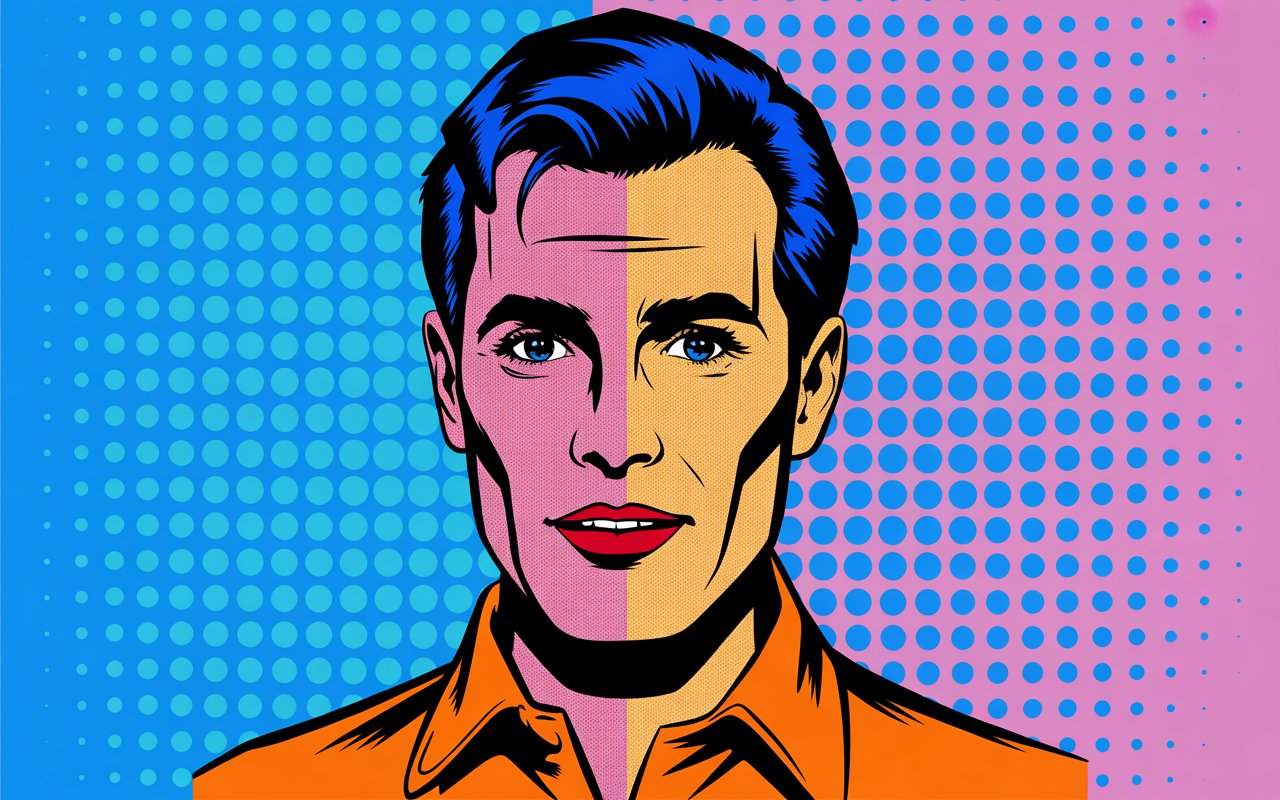
Unlike classical art, which often focused on kings or mythological heroes, pop art celebrates the everyday man.
You might see:
- A businessman in a suit
- A man drinking coffee
- A worker in a factory
These figures remind us that art isn’t just about perfection—it’s about real life. And in pop art, even the most ordinary moment can become extraordinary.
Humor, Irony, and Satire in Male Representation
Pop art loves to play with humor. And when it comes to depicting men, this often means a touch of irony.
For example:
- A “tough” man shown crying dramatically
- A hero figure placed in a trivial situation
- Over-the-top expressions that feel almost cartoonish
This approach doesn’t just entertain—it encourages us to question the roles society assigns to men.
The Evolution of Male Identity in Pop Art
Over time, the portrayal of men in pop art has evolved significantly.
Early stages:
Focused on media icons and idealized masculinity
Later developments:
Explored individuality, diversity, and emotional depth
Today, artists use pop art styles to represent:
- Different cultures and backgrounds
- Non-traditional gender roles
- Personal identity and self-expression
This evolution shows how art grows alongside society.
Digital Pop Art and the Modern Man
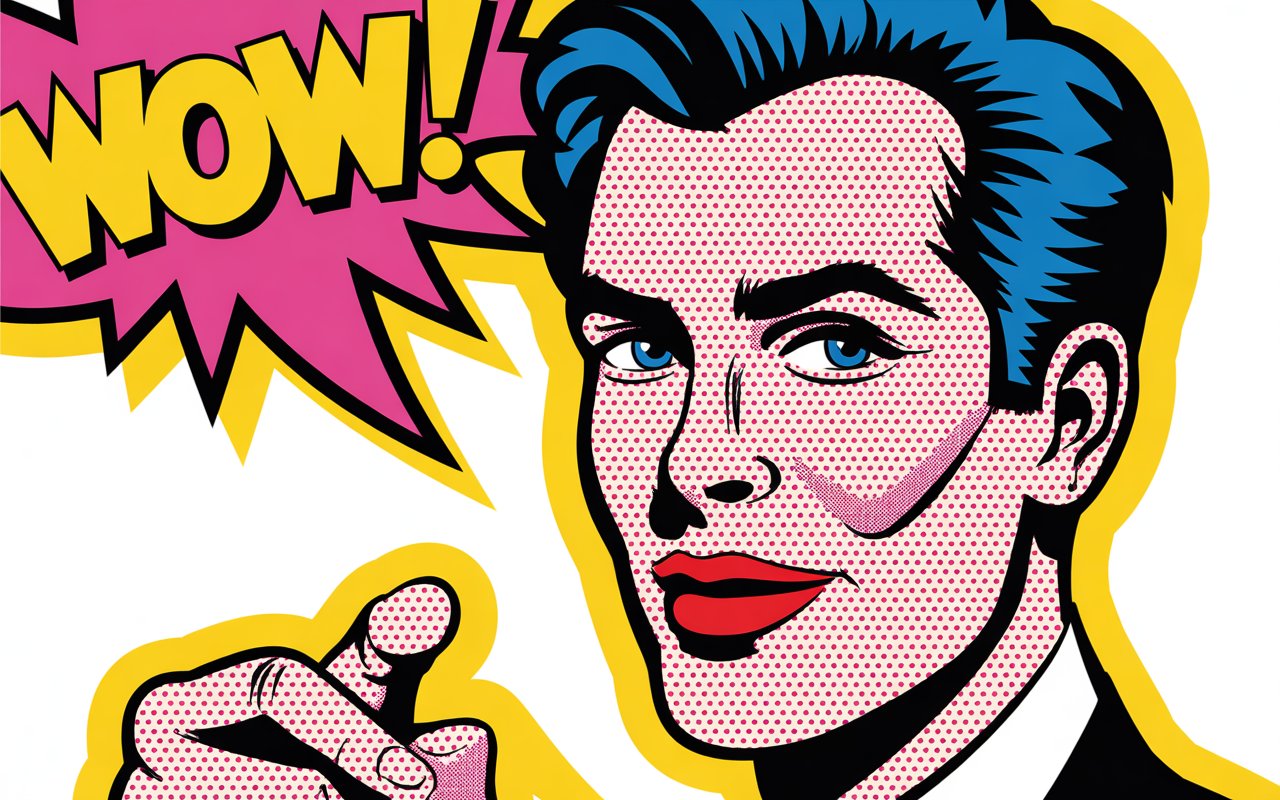
With the rise of technology, pop art has entered the digital world.
Artists now use software to create stunning portraits that maintain the bold, graphic style of traditional pop art while adding modern twists.
Digital pop art often includes:
- Photo manipulation
- Neon color palettes
- Social media influences
This makes the “pop art man” more accessible than ever. Anyone can become a subject—or even create their own version.
Pop Art in Fashion and Street Culture
Pop art doesn’t stay confined to galleries—it spills into everyday life.
You’ll find pop art-inspired male imagery in:
- Clothing designs
- Street murals
- Accessories and prints
This fusion of art and fashion allows people to wear creativity. It’s like turning your outfit into a walking canvas.
Psychological Impact of Pop Art Imagery
Have you ever wondered why pop art is so captivating?
It’s not just the colors—it’s the psychology behind it.
Pop art triggers:
- Immediate attention
- Emotional responses
- Curiosity and engagement
When applied to male figures, it can make viewers rethink identity, confidence, and self-image. It’s almost like a visual conversation happening right in front of you.
Creating Your Own Pop Art Man
Feeling inspired? The good news is—you don’t have to be a professional artist to try it yourself.
Simple steps to get started:
- Choose a photo of a person
- Simplify the features
- Add bold outlines
- Use bright, contrasting colors
- Experiment with patterns or repetition
Think of it like remixing a song—you take something familiar and turn it into something fresh and exciting.
Why Pop Art Man Still Matters Today
In a world full of images, standing out is harder than ever. Yet pop art continues to grab attention and spark conversation.
The “pop art man” remains relevant because it:
- Reflects modern identity
- Challenges stereotypes
- Blends art with everyday life
It reminds us that even in a fast-paced, digital world, creativity still has the power to connect us.
FAQs
1. What is meant by a pop art man?
A pop art man refers to a male figure depicted in the bold, colorful, and graphic style of pop art, often influenced by media, culture, and everyday life.
2. Why does pop art use bright colors?
Bright colors grab attention, create emotional impact, and reflect the influence of advertising and mass media.
3. How does pop art challenge traditional masculinity?
It often exaggerates emotions, uses humor, and questions stereotypes, offering a more diverse view of male identity.
4. Can beginners create pop art portraits?
Yes, anyone can start by simplifying images, adding bold outlines, and experimenting with vibrant colors.
5. Is pop art still popular today?
Absolutely. It has evolved into digital formats and continues to influence fashion, design, and modern visual culture.
Conclusion
The concept of the pop art man is more than just a style—it’s a cultural statement. It takes something as familiar as the human figure and transforms it into a bold, thought-provoking piece of art. Through color, humor, and symbolism, it challenges how we see masculinity and identity.
As you’ve seen, this artistic approach continues to evolve, adapting to new technologies and social changes. Whether displayed in galleries, worn on clothing, or created on a digital screen, it remains a powerful way to express individuality and question the world around us.
So next time you see a brightly colored portrait with sharp lines and expressive features, take a closer look—you might just discover a deeper story hidden beneath the surface.