








Popcorn is one of those snacks that instantly brings joy. Whether you’re watching a movie, hosting a casual get-together, or just craving something light and crunchy, popcorn often makes its way into the moment. But what happens when your dog sits beside you, staring up with those big, hopeful eyes? Can you share a few fluffy kernels without worrying?
If you’ve ever wondered whether dogs can safely enjoy popcorn, you’re not alone. Many pet owners ask this question, especially since popcorn seems so harmless. This guide breaks down everything you need to know — the good, the bad, and the “maybe.”
Let’s dive in with an open, friendly approach and clear answers, so you feel confident the next time your furry friend begs for a bite.
What Makes Popcorn Appealing to Dogs?
Dogs are naturally curious creatures. They love foods with interesting textures and smells — popcorn checks both boxes. Its crunchy feel mimics a treat, and its aroma often attracts pets even before the bowl hits the coffee table.
Think of popcorn like tiny edible bubbles that burst with flavor. The lightness, the sound, and even the playful movement of kernels make it intriguing to dogs.
Is Plain Popcorn Safe for Dogs?
The Short Answer
Yes — plain, air-popped popcorn can be safe for dogs in small amounts.
But before you start sharing handfuls, there’s more to understand.
What “Plain” Really Means
-
No butter
-
No salt
-
No caramel
-
No cheese seasoning
-
No oils
When popcorn is free of additives, it becomes a simple grain with very little fat or sugar — just a light, airy bite. Dogs can digest these plain kernels without much trouble.
Are There Benefits to Giving Dogs Popcorn?
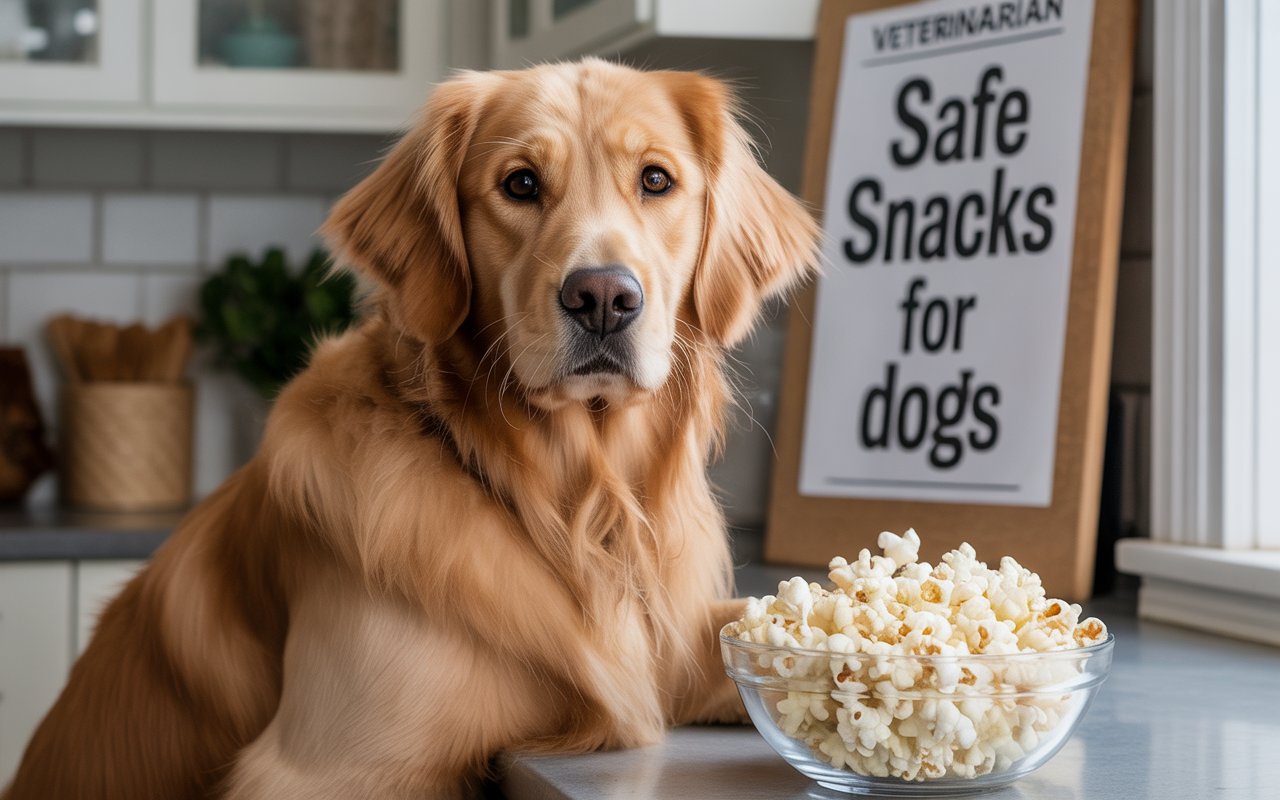
Popcorn may seem like junk food for humans, but surprisingly, its plain form contains nutrients that can support dogs in tiny doses.
Nutritional Elements in Popcorn
-
Fiber: Helps with digestion.
-
Magnesium: Supports muscle and nerve function.
-
Phosphorus: Important for bones.
-
Zinc: Boosts immune health.
-
Small amount of antioxidants: Better overall wellness.
Of course, these benefits are minimal unless eaten in large amounts — and your dog should never eat large amounts of popcorn. Still, it’s nice to know popcorn isn’t entirely empty.
Why Popcorn Can Be Risky for Dogs
Just like humans can enjoy popcorn but still face certain risks (ever had a kernel stuck between your teeth?), dogs have their own set of concerns.
1. Choking Hazard
The biggest issue is the kernel. Unpopped or partially popped kernels can get lodged:
-
In the throat
-
Between teeth
-
In the gums
For small breeds, even popped pieces can be a choking hazard.pet health
2. Digestive Upset
If popcorn has oils, butter, or artificial seasonings, it may cause:
-
Gas
-
Diarrhea
-
Upset stomach
Dogs’ digestive systems are sensitive, especially to high fat.
3. Toxic Ingredients
Some popcorn flavorings contain ingredients unsafe for dogs:
-
Garlic powder
-
Onion powder
-
Artificial sweeteners
-
Excessive sodium
Even trace amounts can cause problems over time.
4. Calorie Concerns
Popcorn may look light, but once dressed with butter or cheese, it becomes calorie-heavy. Dogs gain weight easily, and obesity can lead to:
-
Joint issues
-
Heart problems
-
Diabetes
So popcorn must remain a rare treat, not a habit.
The Hidden Danger of Microwave Popcorn
Microwave popcorn is convenient for humans — but not for dogs.
What Makes Microwave Popcorn Risky?
-
It’s almost always made with oil or butter.
-
It contains preservatives.
-
Many versions include flavor coatings.
-
High salt levels can dehydrate dogs.
Even the “healthier” versions often have ingredients that aren’t good for pets.
If You Must Share Microwave Popcorn
Only give your dog a few fully popped pieces, and remove visible seasoning. But again, plain air-popped popcorn is always the safer option.
How Much Popcorn Can Dogs Eat?
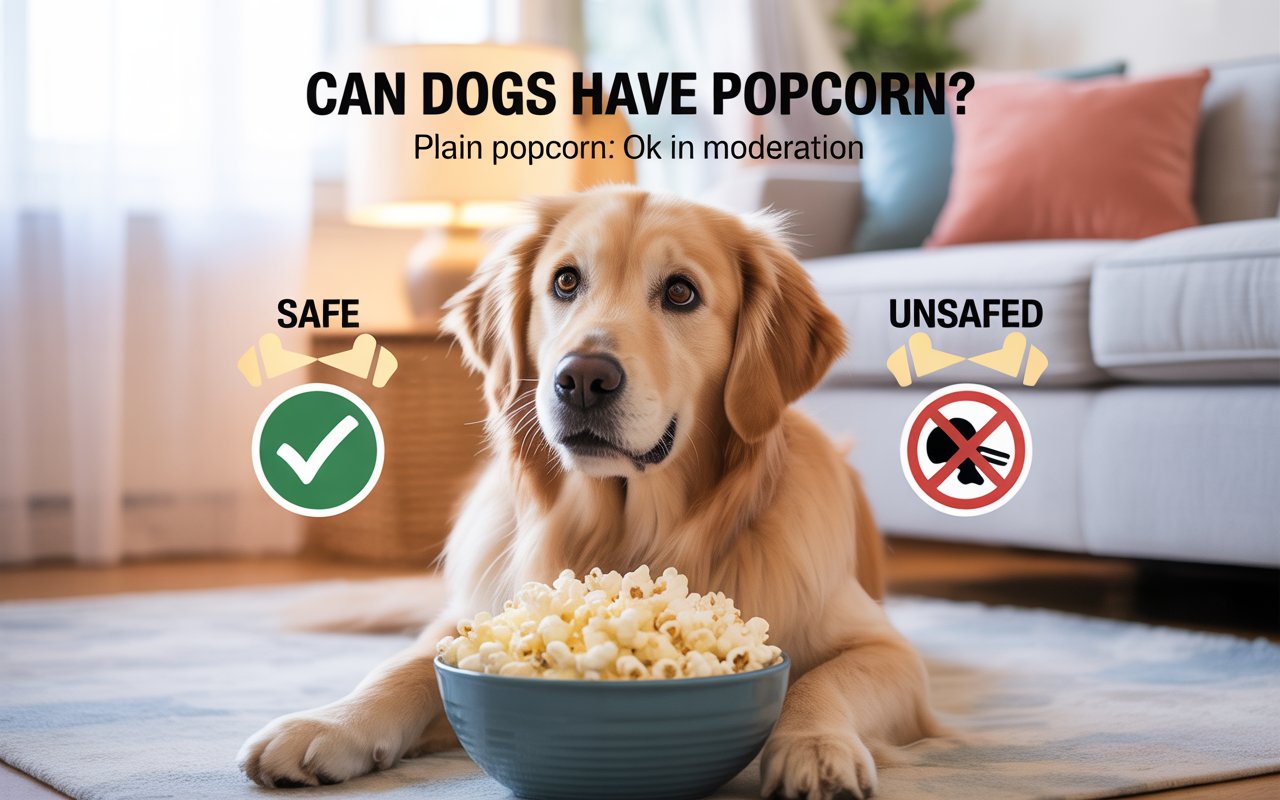
Moderation is key.
Popcorn should be treated like dessert — a fun extra, not a dietary staple.
Recommended Serving Sizes
-
Small dogs: 1–3 popped kernels
-
Medium dogs: 3–7 kernels
-
Large dogs: Up to 10 kernels
These aren’t exact rules, but they help keep portions safe.
How Often Can Dogs Have It?
Occasionally — maybe once a week or a couple of times a month. Not daily.
How to Safely Prepare Popcorn for Dogs
If you want to share popcorn the responsible way, follow these steps:
1. Use Air-Popping
This avoids oils and fats entirely.
2. Remove All Kernels
Ensure no unpopped or half-popped pieces sneak into the bowl.
3. Keep it Completely Plain
No toppings — even natural butters or “light salt” versions should be avoided.
4. Break Popcorn Into Smaller Pieces
Especially for puppies or small dogs.
5. Serve as a Training Reward
Popcorn’s small size makes it perfect for:
-
Tricks
-
Obedience sessions
-
Playtime treats
It gives dogs a fun, crunchy bite without large calories.
Signs Your Dog Should NOT Eat Popcorn
Not all dogs react the same way. Some tolerate grains well; others do not.
Avoid popcorn if your dog has:
-
Grain allergies
-
Sensitive stomach
-
History of pancreatitis
-
Chronic digestive issues
If you’ve got a dog who seems to get stomach upset easily, it’s better to skip popcorn altogether.
What Should You Do If Your Dog Ate Too Much Popcorn?
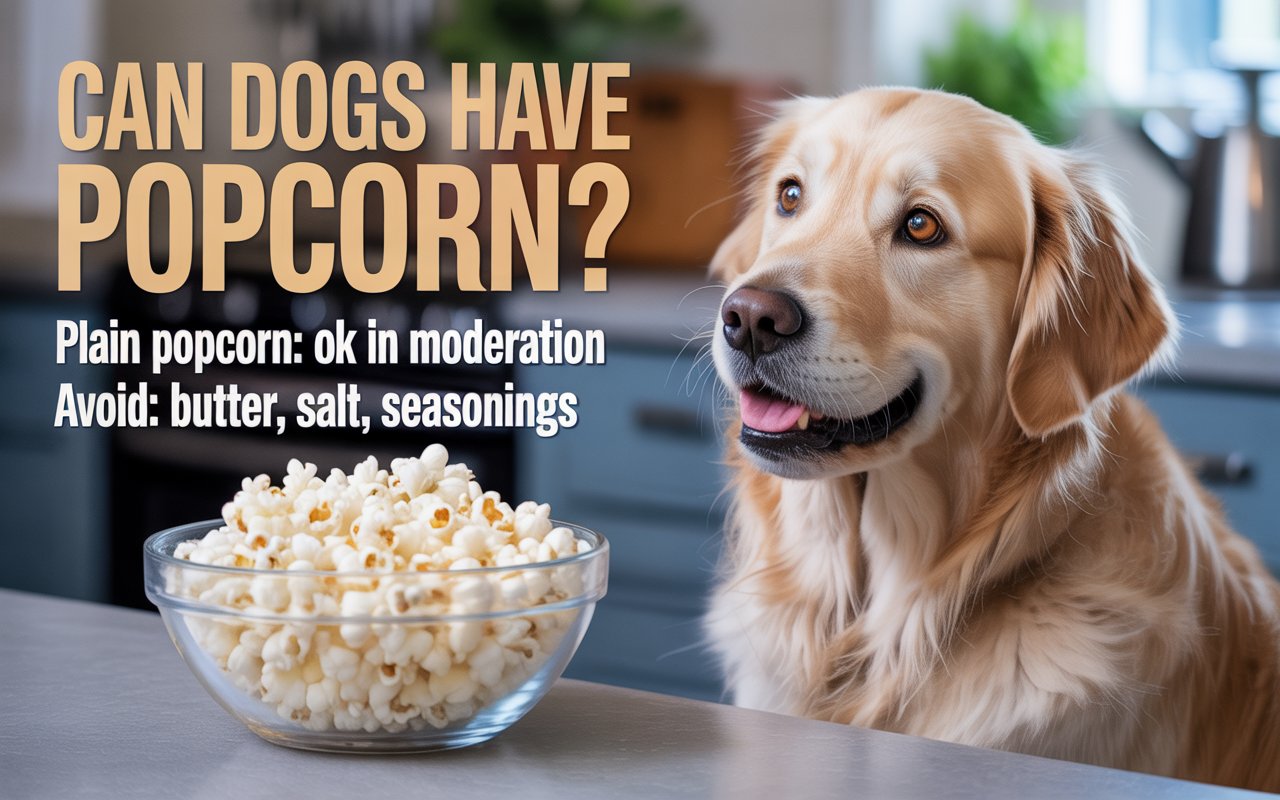
Accidents happen. Maybe the bowl tipped over, or your dog got curious while you answered the phone.
Watch for These Symptoms:
-
Vomiting
-
Excessive thirst
-
Diarrhea
-
Restlessness
-
Bloating
If the popcorn had butter, oil, or salt, digestive issues may appear within hours.
When to Contact a Vet
Call your vet if:
-
Your dog can’t stop vomiting.
-
Symptoms last more than 24 hours.
-
You notice signs of choking or coughing.
-
Your dog ate popcorn with garlic or onion seasoning.
The good news? Most dogs recover quickly, especially if their stomach is otherwise healthy.
Healthy Alternatives to Popcorn
If you’re looking for safe, crunchy options, these dog-friendly foods might be better:
Crunchy Alternatives
-
Carrot slices
-
Green beans
-
Apple chunks (without seeds)
-
Cucumber sticks
-
Pumpkin bites
Ready-Made Treat Options
-
Low-calorie dog biscuits
-
Freeze-dried meats
-
Dental chews
These options provide texture, flavor, and nutrition without the risks associated with popcorn.
Fun Ways to Include Popcorn in Dog Activities
While popcorn shouldn’t be a regular snack, you can still use it creatively.
1. Popcorn Snuffle Search
Scatter three or four pieces in a snuffle mat. This encourages natural hunting instincts.
2. Training Games
Use popcorn pieces as quick rewards during agility or obedience lessons.
3. Puzzle Toys
Place a couple of pieces inside a treat-puzzle for mental enrichment.
Popcorn becomes more than food — it becomes part of playtime.
Should Puppies Eat Popcorn?
Puppies have smaller throats, more sensitive stomachs, and higher nutritional needs. Popcorn is not recommended for puppies under six months old.
Why Puppies Should Avoid Popcorn
-
Higher choking risk
-
Harder to digest
-
No nutritional value for growing bodies
If you want to reward a puppy, stick to puppy-specific treats or soft fruits like bananas.
FAQs
1. Can dogs eat buttered popcorn?
No. Butter adds unnecessary fat, which can cause digestive issues or lead to weight gain. It’s better to avoid buttered popcorn entirely.
2. Is salted popcorn bad for dogs?
Yes. Salt can dehydrate dogs and may even cause sodium poisoning in larger amounts. Always choose unsalted.
3. Can I give my dog kettle corn?
No. Kettle corn contains sugar and sometimes artificial flavorings, making it unsafe for dogs.
4. What happens if my dog swallows a popcorn kernel?
Most kernels pass through the digestive system, but some may cause choking or irritation. Watch your dog closely and contact a vet if coughing or discomfort occurs.
5. Are flavored popcorn varieties safe for dogs?
No. Cheese, caramel, and spicy seasonings often include ingredients harmful to dogs, such as onion powder or artificial additives.
Final Thoughts: Is Popcorn Good for Dogs?
Popcorn sits in that interesting middle ground — not exactly harmful, but not particularly beneficial either. In small amounts, plain popcorn can be a fun, occasional treat. Think of it like sharing a tiny piece of your movie night, just enough for your dog to feel included.
But the key is always moderation, preparation, and awareness. As long as you follow safe guidelines, you can enjoy your snack without worrying about your dog.