







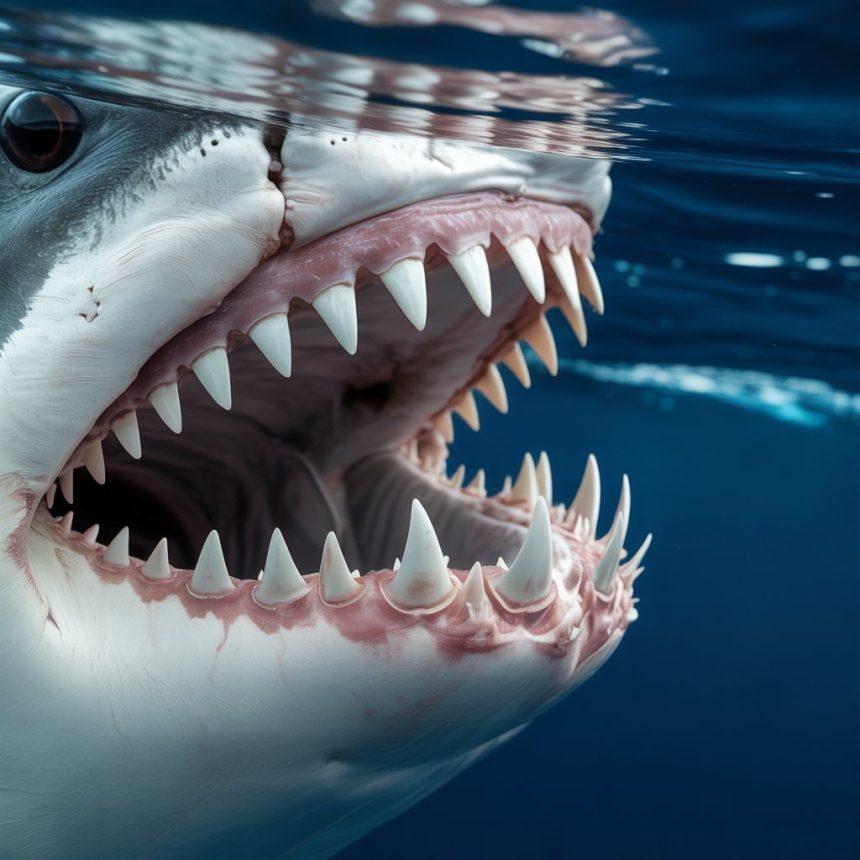
When you think of great white sharks, what’s the first image that comes to mind? For many people, the image that instantly comes to mind is a gaping jaw filled with gleaming, razor-sharp teeth just below the ocean’s surface.
Shark teeth have captured human imagination for centuries, not only because of their intimidating appearance but also because of their remarkable design and function. Far more than just tools for survival, these teeth are marvels of evolution, built to withstand immense force and perfectly suited to the great white’s role as an apex predator.
In this article, we’ll take a deep dive (pun intended) into the world of great white shark teeth—exploring their structure, purpose, adaptations, cultural significance, and even the role they play in science. By the end, you’ll see that these teeth are not just scary-looking weapons but also fascinating clues to one of nature’s most efficient hunters.
Evolutionary Design: Nature’s Perfect Weapon
Shark teeth aren’t like human teeth. While we have one set of baby teeth and one set of adult teeth, sharks operate on an entirely different system. Their teeth are designed to fall out and be replaced regularly. A single great white shark may shed and regrow several thousand teeth throughout its lifetime.
This constant cycle of tooth loss and renewal ensures that they always have sharp, functional teeth available. It’s as if you had your own in-built dentist ready to give you a new set of pearly whites every few weeks.
Shape and Structure: Serrated Like a Steak Knife
Take a closer look at a great white shark tooth, and you’ll notice something unique: the edges are serrated. These tiny ridges act like the blades of a steak knife, helping the shark cut through flesh, blubber, and bone with ease.
The teeth are broad and triangular, designed for grasping and tearing rather than chewing. Since sharks don’t chew their food in the way humans do, their teeth are more like carving tools than grinding ones. Each bite is powerful enough to rip large chunks of meat from prey, which are then swallowed whole.
Tooth Replacement: The Conveyor Belt of Teeth
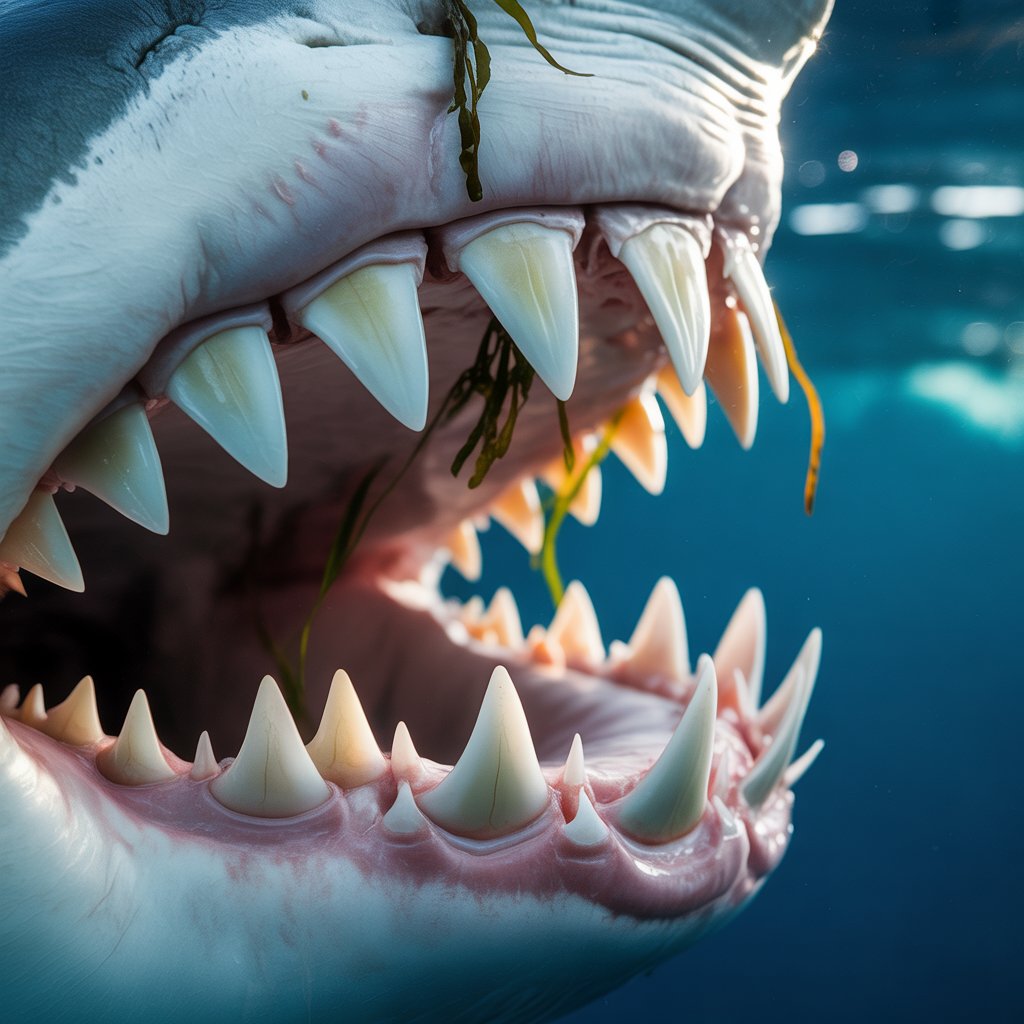
Imagine having a built-in conveyor belt of teeth constantly pushing forward. That’s exactly how great white shark teeth work. Behind the visible row of teeth lies several backup rows, waiting to move into position.
When a tooth is lost—whether during a hunt or simply due to wear and tear—the next one in line rotates forward. This system means the shark never has to worry about being “toothless” in the middle of a hunt.
On average, a great white can replace a lost tooth within a few days or weeks. It’s an evolutionary insurance policy that ensures these predators always remain at peak hunting efficiency.
Bite Force: Crushing With Precision
A great white shark’s bite isn’t just about sharpness—it’s also about raw power. Studies suggest their bite force can reach up to 1.8 tons of pressure. To put that into perspective, it’s like having the weight of a small car pressing down on a single point.
This extraordinary power, combined with their serrated teeth, makes them capable of tackling some of the ocean’s toughest prey, from seals with thick blubber to large fish and even carrion like whale carcasses.
The Role of Teeth in Hunting Behavior
Great white sharks are opportunistic hunters. Their teeth play different roles depending on the prey and the strategy. For example, when targeting seals, they often use an ambush attack from below, delivering a single, devastating bite. Its serrated teeth slice through blubber and muscle, leaving the prey weakened while the shark waits to return and deliver the final blow.
In other cases, especially with smaller prey, the teeth act more like grasping tools, ensuring the fish or sea turtle doesn’t slip away. This versatility is one of the reasons sharks have thrived for over 400 million years.
Fossil Teeth: Windows Into Prehistoric Oceans
Unlike bones, a shark’s skeleton is primarily cartilage, a material that rarely preserves in the fossil record.
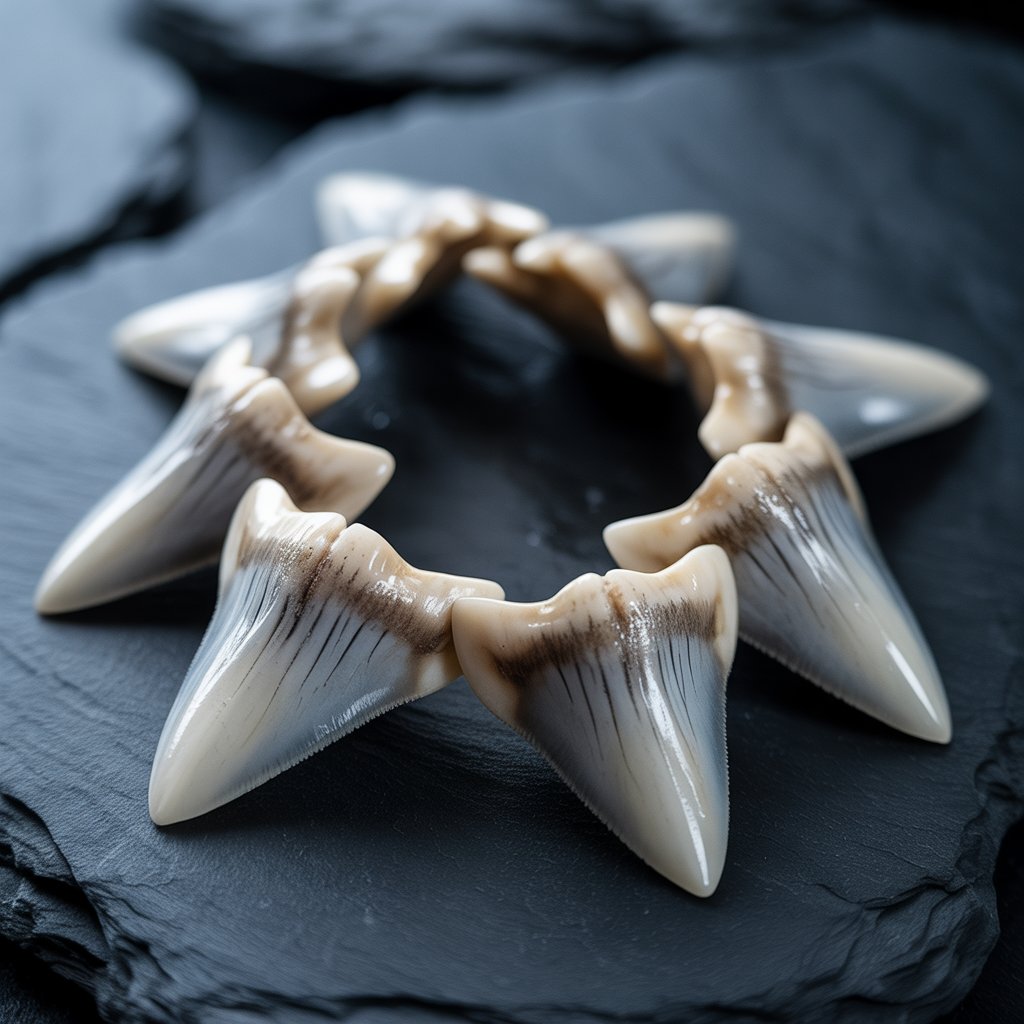
Teeth, however, are another story. Composed of hard enamel and dentin, shark teeth can survive for millions of years, often becoming fossilized in sedimentary rock.
Fossilized great white shark teeth are highly prized by collectors and paleontologists alike. They provide a window into ancient oceans, helping scientists understand not only shark evolution but also the marine ecosystems of the past.
Some fossil teeth are massive, hinting at the existence of ancient relatives like the megalodon—a giant shark species that could grow up to three times larger than today’s great white.
Symbolism and Cultural Fascination
Throughout history, shark teeth have held symbolic value. In Hawaiian culture, they were used as tools and weapons, embedded into wooden clubs for added lethality. They were also worn as pendants, believed to carry protective and spiritual qualities.
Even today, shark teeth remain popular as jewelry and souvenirs, often symbolizing strength, resilience, and a connection to the sea. Of course, it’s important to ensure that such items are ethically sourced and not harvested from living sharks, as many species are vulnerable or endangered.
Shark Teeth vs. Human Teeth: A Comparison
Let’s pause for a moment and imagine if humans had shark teeth. Instead of worrying about cavities, braces, or root canals, you’d simply shed your damaged teeth and grow new ones automatically. No dental bills!
But unlike sharks, humans need durable teeth that last for decades because we chew, grind, and process food differently. Our teeth are designed for a mixed diet of meat, plants, and grains, while shark teeth are specialized tools honed for tearing flesh.
This comparison shows just how perfectly adapted shark teeth are to their predator lifestyle.
The Science Behind Tooth Study
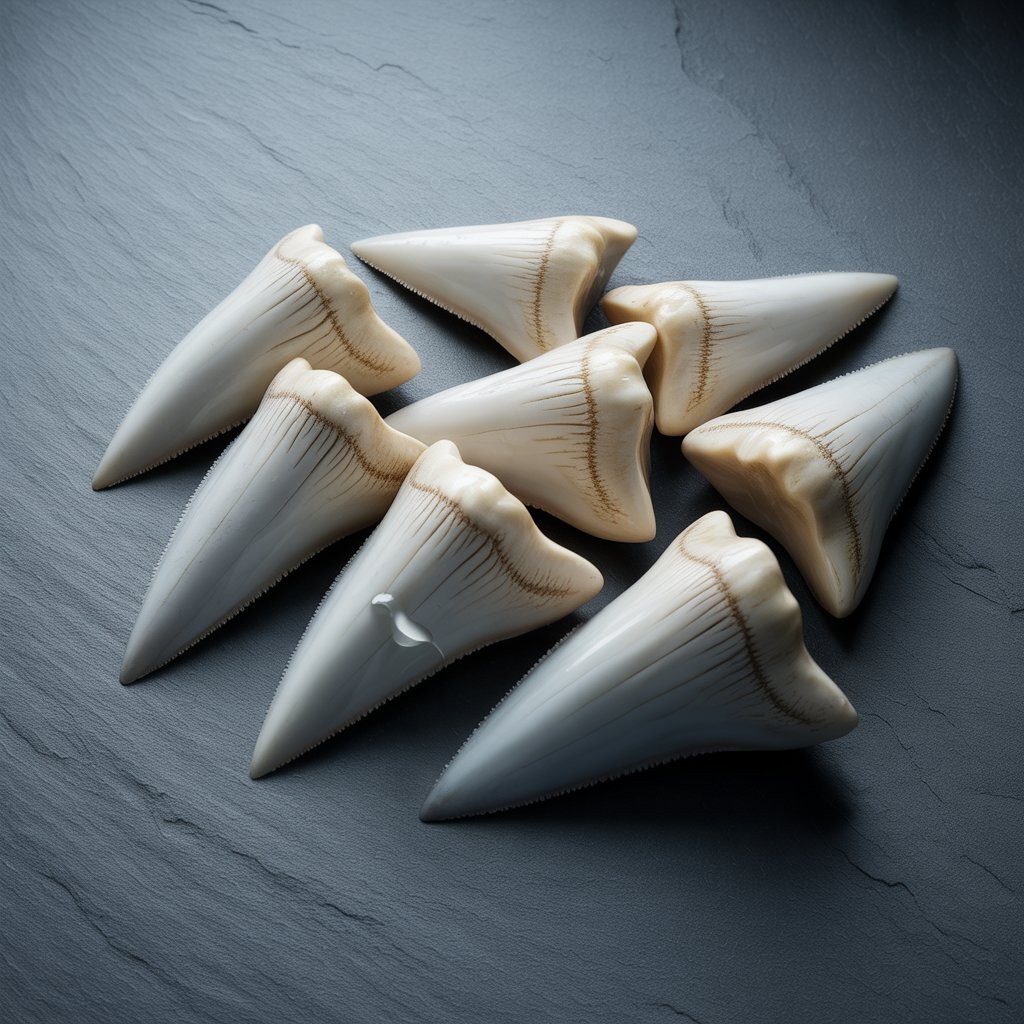
Marine biologists and forensic scientists study shark teeth for more than curiosity. Teeth can reveal a shark’s age, diet, and even migration patterns. By analyzing wear, size, and chemical composition, researchers gain insights into the shark’s lifestyle and role in the ocean ecosystem.
Shark attack investigations also rely on teeth impressions. The unique serration patterns of a great white bite can help confirm whether the species was responsible.
Conservation Concerns: Protecting the Predator
As fascinating as great white shark teeth are, it’s crucial to remember that these creatures face serious threats. Overfishing, climate change, and illegal hunting put pressure on shark populations. In some regions, sharks are killed for their jaws and teeth, which are sold on the black market.
Protecting sharks means protecting their teeth—not just as objects of study or fascination but as living tools essential for survival. Healthy shark populations are vital for maintaining the balance of marine ecosystems, as these predators help regulate the populations of other species.
An Analogy: Teeth as the Shark’s Toolbox
Think of a carpenter’s toolbox. Inside are saws, chisels, and hammers—each designed for a specific job. A great white shark’s teeth are like that toolbox. Serrated for cutting, broad for gripping, and constantly replaced, they’re the ultimate set of survival tools crafted by nature.
Without them, the shark wouldn’t be the ocean’s apex predator. And just like a craftsman relies on tools to build and create, sharks rely on their teeth to hunt and survive.
FAQs About Great White Shark Teeth
1. How many teeth does a great white shark have at one time?
A great white usually has around 300 teeth arranged in several rows, with multiple backup rows ready to replace lost ones.
2. How often do great white sharks replace their teeth?
On average, they can replace a lost tooth within days to weeks. Over a lifetime, a single shark may grow and lose tens of thousands of teeth.
3. Are great white shark teeth valuable?
Yes, fossilized shark teeth are popular among collectors and can be quite valuable, depending on size, condition, and rarity. However, it’s important that they are ethically sourced.
4. Can scientists identify a shark species by its teeth?
Absolutely. Each shark species has distinct tooth shapes and serration patterns, making identification possible even without the rest of the skeleton.
5. Why do sharks need so many teeth?
Because their hunting involves tearing and biting, teeth frequently break or fall out. The constant replacement system ensures they always have sharp teeth available for survival.
Conclusion: More Than Just Teeth
Great white shark teeth are more than just terrifying weapons—they’re symbols of adaptation, resilience, and the intricate balance of marine life. From their conveyor-belt replacement system to their cultural symbolism, these teeth tell a story millions of years in the making.
The next time you see a shark documentary or stumble upon a fossil tooth, remember: you’re not just looking at a piece of bone, but a masterpiece of natural engineering.