







Introduction
Choosing the right furniture for your outdoor living area is an important decision that can impact both the appearance and functionality of your space for years to come. Whether you are designing a cozy backyard retreat, a spacious patio for entertaining guests, or a relaxing poolside lounge area, the furniture you select plays a major role in the overall experience. Among the many options available today, Polywood patio furniture and traditional wood furniture are two of the most popular choices.
At first glance, both materials offer attractive designs and the ability to create a warm, inviting outdoor environment. However, they differ significantly in terms of durability, maintenance, cost, environmental impact, and long-term value. Understanding these differences can help homeowners make an informed choice that suits their lifestyle, climate, and personal preferences.
This guide explores the advantages and disadvantages of Polywood and traditional wood furniture to determine which option may be better for your outdoor space.
Understanding Polywood Furniture
Polywood furniture is made from high-density polyethylene (HDPE), a durable plastic often created from recycled materials such as milk jugs and detergent bottles. Unlike ordinary plastic furniture, Polywood is specifically engineered to withstand outdoor conditions and maintain its appearance over time.
One of the reasons Polywood has gained popularity is its ability to mimic the appearance of painted wood while offering superior resistance to weather-related damage. Manufacturers patio furniture furniture in a variety of colors, styles, and designs, making it suitable for both modern and traditional outdoor settings.
Because it is made from recycled materials, Polywood is also considered an environmentally conscious choice for homeowners looking to reduce their ecological footprint.

Understanding Traditional Wood Furniture
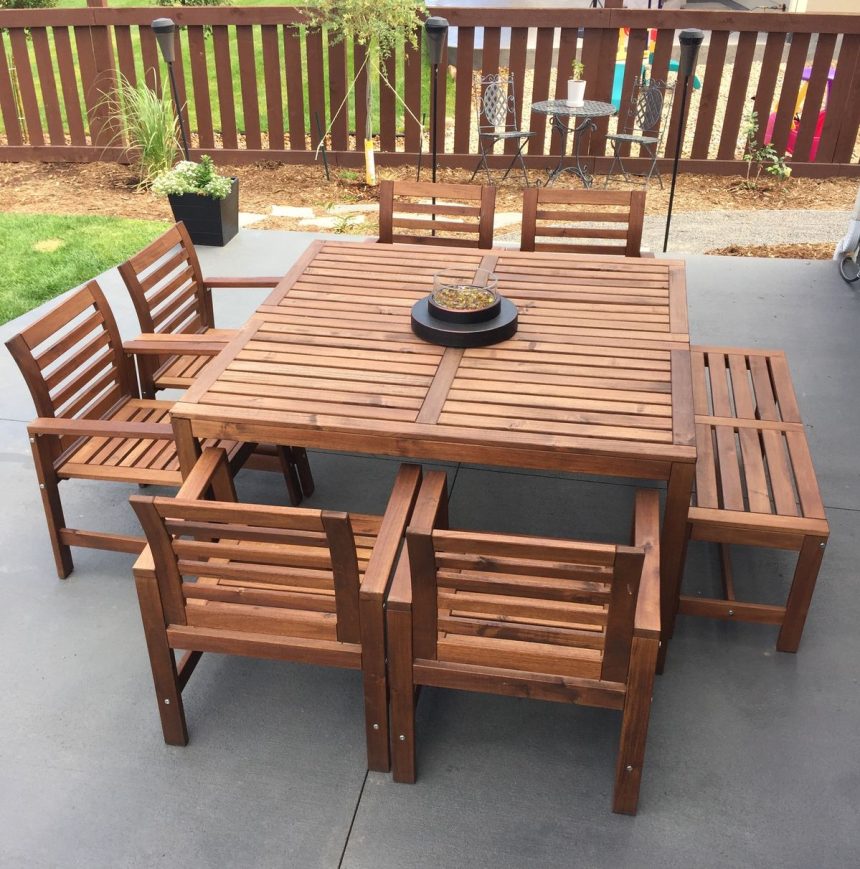
Traditional wood furniture has been a favorite choice for outdoor spaces for generations. Common materials include teak, cedar, eucalyptus, acacia, and pine. Wood furniture offers a natural beauty and authenticity that many homeowners find difficult to replicate with synthetic materials.
Each type of wood has unique characteristics. Teak, for example, is highly valued for its durability and natural resistance to moisture and insects. Cedar offers a pleasant aroma and natural protection against pests, while eucalyptus provides an attractive appearance at a more affordable price point.
The timeless appeal of wood furniture often makes it a centerpiece in gardens, patios, and outdoor dining areas.
Durability and Weather Resistance
When comparing Polywood and traditional wood, durability is often one of the most important considerations.
Polywood furniture is specifically designed to withstand harsh weather conditions. It does not crack, splinter, peel, rot, or warp when exposed to rain, snow, humidity, or intense sunlight. This makes it particularly attractive for homeowners who live in regions with extreme weather fluctuations.
Traditional wood furniture, while durable in many cases, is more vulnerable to environmental factors. Constant exposure to moisture can cause certain woods to swell, warp, or develop mold. Prolonged sunlight can fade finishes and dry out the wood, potentially leading to cracks over time.
Premium hardwoods such as teak perform exceptionally well outdoors, but they still require care and maintenance to preserve their condition. In terms of overall weather resistance, Polywood generally offers a clear advantage.
Maintenance Requirements
One of the biggest differences between these two furniture options lies in the amount of maintenance they require.
Polywood furniture is known for being extremely low maintenance. Cleaning usually involves nothing more than soap, water, and an occasional wipe-down. There is no need for sanding, painting, staining, or sealing.
For busy homeowners, this convenience is often a major selling point. The furniture retains its color and structural integrity without requiring significant effort.
Traditional wood furniture requires considerably more attention. To maintain its appearance and protect it from the elements, owners often need to apply protective oils, stains, or sealants periodically. Depending on the wood type and climate, maintenance may be necessary several times each year.
While many people enjoy caring for natural wood furniture, others may find the ongoing upkeep time-consuming and costly.
Appearance and Aesthetic Appeal

Aesthetic preferences are highly personal, and both materials offer distinct advantages.
Traditional wood furniture is often admired for its natural grain patterns, rich textures, and organic beauty. No two pieces are exactly alike, giving wood furniture a unique character that many homeowners appreciate. It blends seamlessly into natural landscapes and creates a warm, sophisticated atmosphere.
Polywood furniture has improved dramatically in appearance over the years. Modern manufacturing techniques allow it to closely resemble painted wood while maintaining a clean, contemporary look. It is available in a wide range of colors that remain vibrant for many years.
While Polywood can imitate wood effectively, some people still prefer the authentic appearance and feel of real timber. For homeowners seeking a classic, natural aesthetic, traditional wood may hold a slight advantage.
Environmental Impact
Sustainability has become an increasingly important factor for many consumers.
Polywood furniture is often made from recycled plastics that might otherwise end up in landfills. By repurposing these materials, manufacturers help reduce waste and conserve natural resources. Additionally, the long lifespan of polywood patio furniture means fewer replacements are needed over time.
Traditional wood furniture can also be environmentally friendly when sourced responsibly. Furniture made from sustainably harvested wood supports renewable forestry practices and can be biodegradable at the end of its life cycle.
However, concerns may arise when wood is harvested from poorly managed forests. Consumers interested in sustainability should look for certifications that verify responsible sourcing practices.
Both options can be environmentally responsible, but Polywood’s use of recycled materials gives it a unique sustainability advantage.
Cost Considerations
Price is another important factor when choosing outdoor furniture.
Polywood furniture often comes with a higher initial purchase price compared to some types of wood furniture. However, its durability and low maintenance requirements can result in lower overall ownership costs over time.
Traditional wood furniture is available across a wide range of price points. Affordable woods such as pine or acacia may cost less initially, while premium materials like teak can be significantly more expensive than Polywood.
When evaluating costs, it is important to consider not only the purchase price but also maintenance expenses, repair costs, and expected lifespan.
Many homeowners find that Polywood’s long-term value justifies its higher upfront investment.
Comfort and Practicality
Comfort plays a significant role in outdoor furniture selection.
Polywood furniture is often designed with ergonomics in mind and can provide excellent comfort when paired with cushions. The material remains stable and does not splinter, making it safe and comfortable for regular use.
Traditional wood furniture can also be very comfortable, especially when crafted with quality design and paired with cushions. However, untreated wood may become rough over time if not properly maintained.
Temperature response is another consideration. Polywood may become warm when exposed to direct sunlight, although many lighter-colored options help reduce heat absorption. Wood can also become warm but often remains more comfortable to the touch in sunny conditions.
Longevity and Long-Term Value
Outdoor furniture should be viewed as a long-term investment.
Polywood furniture is known for its exceptional lifespan. Many manufacturers offer warranties that extend for decades, reflecting confidence in the material’s durability. It can maintain its appearance and functionality for many years with minimal maintenance.
Traditional wood furniture can also last a long time, especially when made from high-quality hardwoods such as teak. However, achieving this longevity typically requires regular care and protection from the elements.
For homeowners seeking a worry-free investment, Polywood often provides greater long-term value and reliability.
Which Option Is Best for Your Outdoor Space?
The answer depends largely on your priorities and lifestyle.
If you value low maintenance, exceptional durability, weather resistance, and long-term cost savings, Polywood furniture is likely the better choice. It is particularly well-suited for busy homeowners who want attractive outdoor furniture without the ongoing commitment of regular upkeep.
On the other hand, if you appreciate the natural beauty, unique character, and traditional appeal of real wood, traditional wood furniture may be worth the extra maintenance effort. For many people, the authentic look and feel of wood create an outdoor environment that simply cannot be replicated.
Your local climate should also influence your decision. In areas with heavy rain, intense sun, or significant seasonal changes, Polywood often performs better and requires less attention.
Conclusion
Both Polywood patio furniture and traditional wood furniture offer unique benefits that can enhance an outdoor living space. Polywood excels in durability, maintenance, weather resistance, and sustainability, making it a practical choice for modern homeowners. Traditional wood furniture delivers unmatched natural beauty, timeless elegance, and authentic craftsmanship that many people continue to value.
Ultimately, the best choice depends on your personal preferences, budget, and willingness to perform ongoing maintenance. By carefully considering the strengths and limitations of each material, you can create an outdoor space that is both beautiful and functional for years to come.
Whether you choose the contemporary convenience of Polywood or the classic charm of traditional wood, investing in quality outdoor furniture will help transform your patio into a comfortable and inviting extension of your home.