







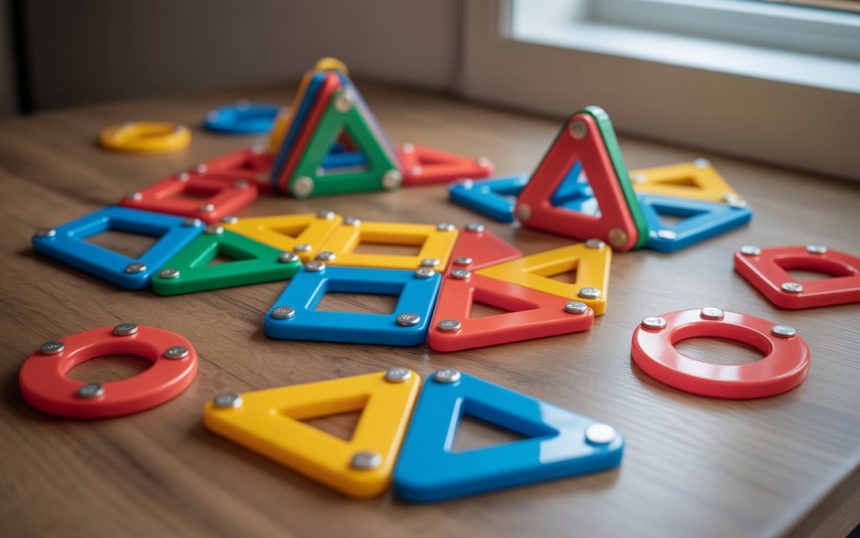
Magnet games might look simple at first glance, but once you start playing, they pull you in—quite literally. Whether you’re playing with friends, family, or even alone, these games combine science, skill, and a bit of surprise in a way that few other activities can. From casual tabletop fun to brain-boosting challenges, magnet-based games have quietly become a favorite for people of all ages.
So, what makes them so appealing? Is it the satisfying snap of magnets connecting, or the tension of trying not to trigger a chain reaction? Let’s explore everything you need to know about magnet games—from how they work to why they’re worth your time.
What Is a Magnet Game?
A magnet game is a type of activity or board game that uses magnetic pieces as the main element of play. These pieces attract or repel each other, creating a dynamic and often unpredictable experience.
Unlike traditional games that rely only on rules and strategy, magnet games introduce a physical force into the mix. That means every move you make can have unexpected consequences. One wrong placement, and suddenly multiple pieces snap together—changing the outcome instantly.
Think of it like trying to stack marbles on a moving surface. You’re not just thinking—you’re reacting.
Why Magnet Games Are So Popular
Magnet games have gained attention for several reasons, and it’s not just about novelty.
First, they’re incredibly easy to learn. You don’t need long instructions or complex setups. Most games can be explained in under a minute.
Second, they’re highly interactive. Every move feels hands-on, making the experience more engaging than simply rolling dice or drawing cards.
Third, they appeal to all age groups. Kids enjoy the playful aspect, while adults appreciate the strategy and tension.
And finally, there’s something oddly satisfying about magnets snapping together. It’s a small sensory reward that keeps players coming back.
How Magnet Games Work
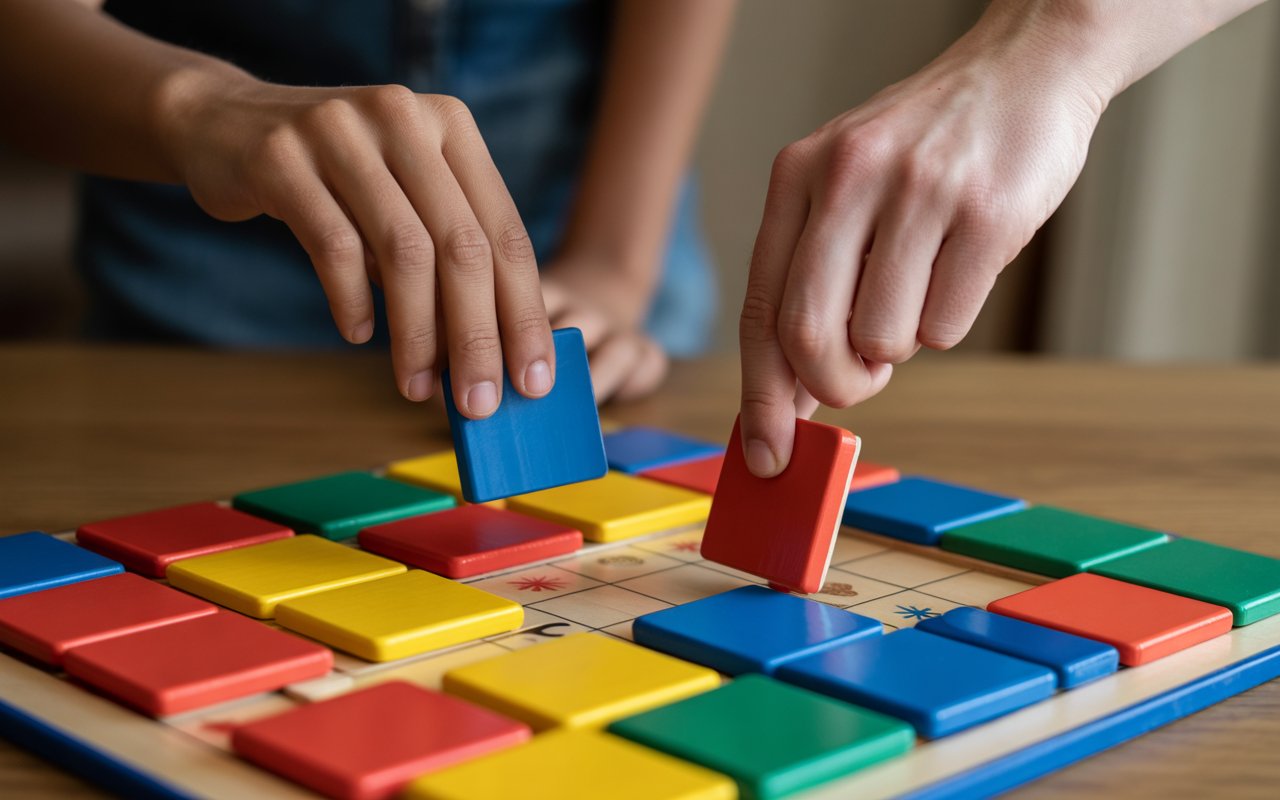
At their core, magnet games rely on the basic principles of magnetism—attraction and repulsion.
Each piece contains a magnet, and depending on how they’re positioned, they either pull toward each other or push away. This creates a layer of unpredictability.
For example, in many popular versions, players take turns placing magnetic balls or discs inside a boundary. The goal is simple: don’t let your pieces connect. If they do, you have to pick them up.
Sounds easy, right? Not quite.
As the board fills up, the magnetic field becomes more complex. Suddenly, even careful moves can trigger unexpected reactions.
Types of Magnet Games You Can Play
There’s more variety than you might expect when it comes to magnet-based play.
Classic Magnetic Board Games
These are structured games with rules and objectives. They often include a board and a set of magnetic pieces.
Free-Play Magnetic Sets
These are more open-ended. You can build shapes, patterns, or even small structures using magnetic elements.
Puzzle-Based Magnetic Games
These challenge your brain. You might need to arrange pieces in a certain way without letting them connect.
Educational Magnetic Kits
Designed for learning, these games teach basic science concepts while still being fun.
Each type offers a different experience, so you can choose based on your mood—whether you want competition, creativity, or learning.
Benefits of Playing Magnet Games
Magnet games are more than just entertainment. They offer several hidden benefits.
Improves Focus and Patience
You can’t rush your moves. One careless action can undo your progress, so you learn to slow down and think.
Boosts Problem-Solving Skills
Every turn is like a mini puzzle. You have to consider not just your move, but how it affects the entire board.
Encourages Social Interaction
These games are perfect for groups. They spark laughter, tension, and friendly competition.
Enhances Motor Skills
Handling small magnetic pieces helps improve hand-eye coordination, especially in children.
Introduces Basic Science Concepts
Without even realizing it, players learn about magnetic forces and spatial awareness.
Strategies to Win a Magnet Game
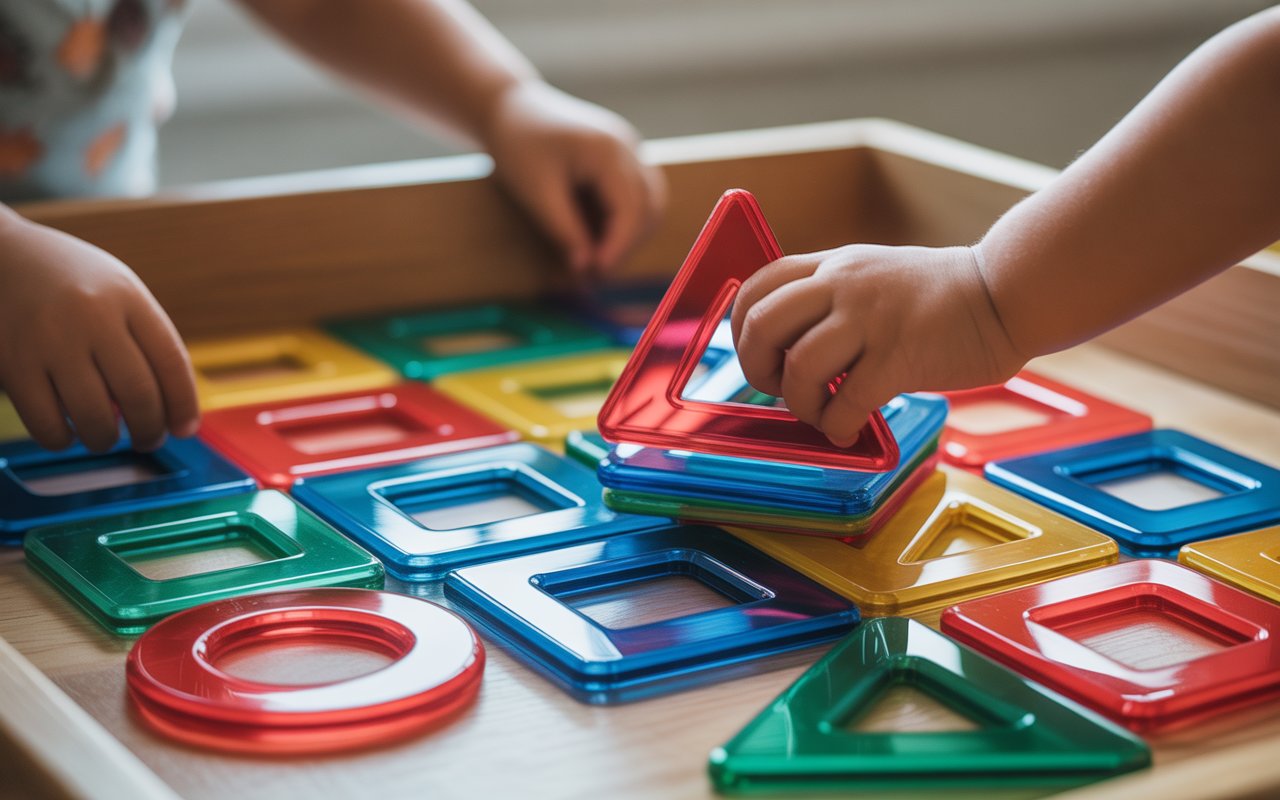
Winning isn’t just about luck. There’s real strategy involved.
Think Ahead
Before placing a piece, look at how nearby magnets might react. Anticipate chain reactions.
Use Space Wisely
Avoid crowded areas. The more pieces there are, the higher the risk.
Control the Center
In many games, the center becomes the most active zone. Managing it carefully can give you an advantage.
Stay Calm Under Pressure
As the game progresses, tension builds. Staying composed helps you make better decisions.
Learn from Mistakes
Every loss teaches you something. Over time, you’ll start recognizing patterns.
Magnet Games for Kids vs Adults
While magnet games are universal, the experience can differ depending on the player.
For Kids
- Focus on fun and exploration
- Bright colors and simple rules
- Helps with learning and coordination
For Adults
- Emphasis on strategy and competition
- More complex setups
- Often used as a social or party game
Interestingly, when kids and adults play together, the results can be unpredictable. Sometimes, a child’s instinctive move outsmarts a carefully planned strategy.
Safety Tips When Using Magnet Games
Magnets are fun, but they need to be handled responsibly—especially around young children.
Keep small pieces away from toddlers. Swallowing magnets can be dangerous.
Avoid placing magnets near electronics. They can interfere with devices.
Store pieces properly. It helps avoid misplacing pieces while keeping them tidy and ready for the next game.
Check for damage. Broken magnets can have sharp edges.
With a little care, magnet games remain safe and enjoyable for everyone.
Choosing the Right Magnet Game
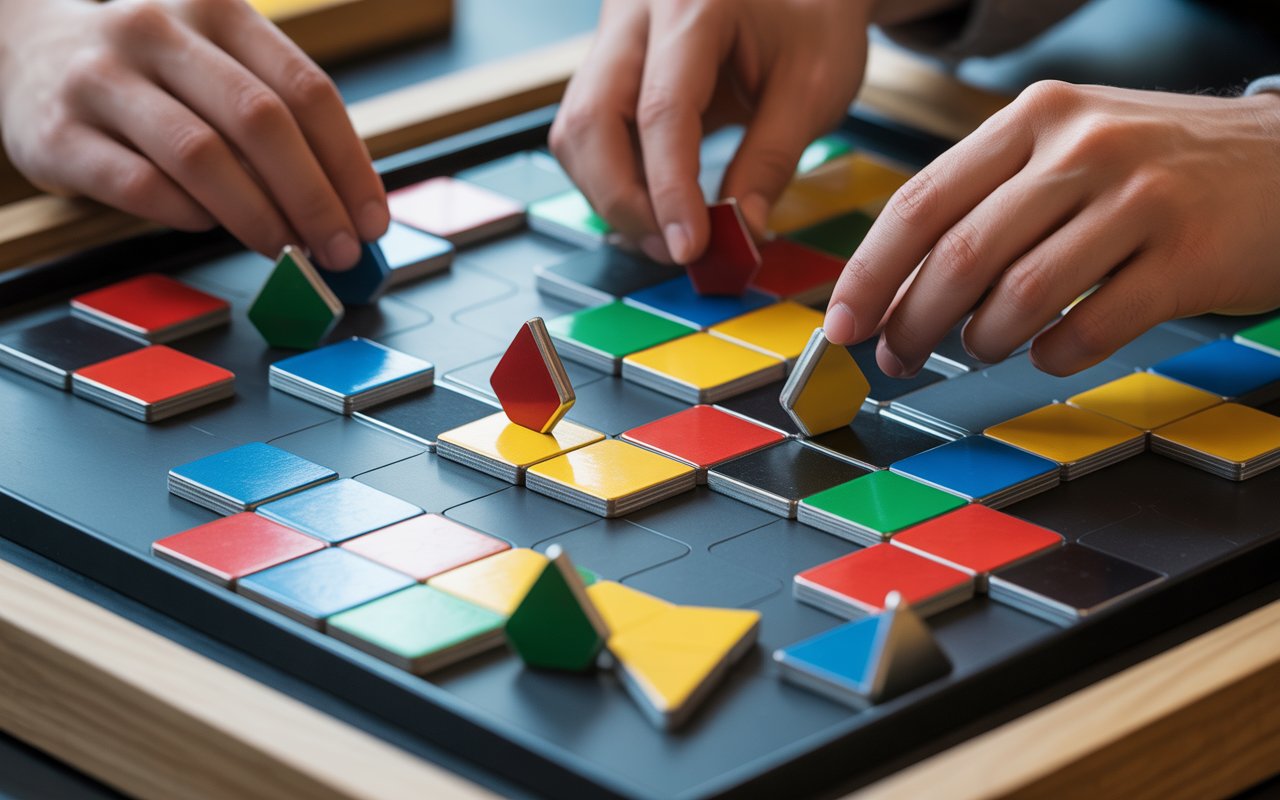
Not all magnet games are the same, so it’s worth picking one that suits your needs.
Consider Age Group
Some games are designed specifically for children, while others are better for teens and adults.
Check Difficulty Level
If you’re new, start with a simple version before moving to more complex ones.
Look at Material Quality
Strong, durable magnets provide a better experience and last longer.
Think About Portability
Compact sets are great for travel or quick play sessions.
Choosing the right game makes a big difference in how much you enjoy it.
Magnet Games as a Learning Tool
One of the most underrated aspects of magnet games is their educational value.
They introduce concepts like force, balance, and spatial relationships in a hands-on way. Instead of reading about magnetism, you experience it.
For children, this kind of learning is powerful. It turns abstract ideas into something tangible.
Even adults can benefit. It’s a reminder that learning doesn’t have to be formal or complicated—it can be playful.
The Psychology Behind the Fun
Why do magnet games feel so satisfying?
Part of it comes from unpredictability. Humans enjoy a bit of surprise, especially when it’s harmless.
Another factor is control. You’re making decisions and seeing immediate results.
And then there’s the sensory aspect—the click, the movement, the visual changes. It all combines into a rewarding experience.
It’s similar to solving a puzzle or stacking blocks. Simple actions, but deeply engaging.
Magnet Games in Social Settings
Magnet games shine in group environments.
They’re easy to set up, quick to play, and don’t require long explanations. This makes them perfect for gatherings.
They also create natural moments of excitement. When multiple pieces snap together unexpectedly, everyone reacts.
It’s these shared moments that make the game memorable.
Whether it’s a family night or a casual get-together, magnet games fit right in.
Future of Magnet Games
As technology evolves, magnet games are also changing.
We’re starting to see more creative designs, combining magnets with digital elements or new materials.
However, the core appeal remains the same—simple mechanics, engaging play, and a touch of unpredictability.
In a world full of screens, magnet games offer something refreshing: a hands-on experience that brings people together.
Conclusion
Magnet games may seem small, but they offer a surprisingly rich experience. They combine fun, strategy, learning, and interaction in a way that few games can match.
Whether you’re looking to pass time, challenge your mind, or connect with others, these games deliver. They remind us that sometimes, the simplest ideas—like the pull of a magnet—can create the most engaging moments.
So the next time you see a magnet game, give it a try. You might find yourself drawn in more than you expected.
FAQs
1. What is the main goal of a magnet game?
The goal usually involves placing magnetic pieces without letting them connect, depending on the rules of the specific game.
2. Are magnet games suitable for young children?
Yes, but only with supervision, especially if the pieces are small and could be swallowed.
3. Do magnet games require skill or luck?
They involve both. Strategy plays a big role, but the magnetic reactions add an element of unpredictability.
4. Can magnet games be educational?
Absolutely. They help teach basic science concepts, improve focus, and develop problem-solving skills.
5. How many people can play a magnet game?
Most magnet games support 2–4 players, but some versions can accommodate larger groups depending on the setup
Conclusion
Magnet games may seem small, but they offer a surprisingly rich experience. They combine fun, strategy, learning, and interaction in a way that few games can match.
Whether you’re looking to pass time, challenge your mind, or connect with others, these games deliver. They remind us that sometimes, the simplest ideas—like the pull of a magnet—can create the most engaging moments.
So the next time you see a magnet game, give it a try. You might find yourself drawn in more than you expected.
Magnet Game