







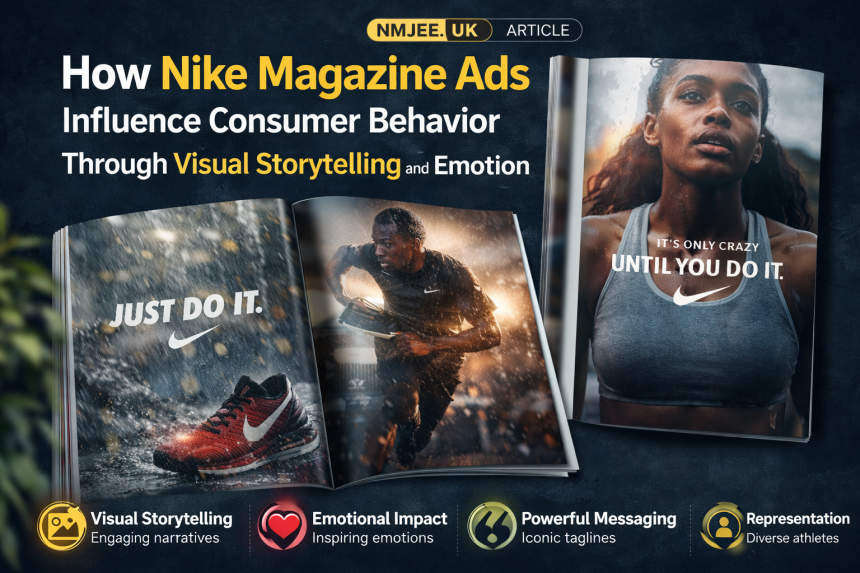
In a world saturated with digital ads, pop-ups, and endless scrolling, magazine advertising still holds a unique and powerful place—especially when it comes to brands that understand storytelling at a deeper level. Few companies have mastered this craft as effectively as Nike. Through carefully designed magazine ads, Nike doesn’t just promote products; it creates emotional experiences that resonate with readers long after they turn the page.
These ads are not just visuals paired with slogans—they are narratives. They speak to ambition, identity, struggle, and triumph. By blending striking imagery with meaningful messaging, Nike has turned print advertising into a psychological and emotional journey that subtly shapes consumer behavior.
The Power of First Impressions in Print Advertising
Unlike digital ads that disappear in seconds, magazine ads demand attention. A reader flipping through a glossy page is more likely to pause when something visually compelling stands out. Nike understands this moment of pause and designs its ads to capture it instantly.
Bold photography, dramatic lighting, and powerful compositions are central to Nike’s visual language. Whether it’s an athlete mid-motion or a quiet, reflective portrait, the imagery immediately communicates intensity and purpose. This initial visual impact creates curiosity, encouraging the reader to engage more deeply with the message.
First impressions matter, and Nike uses them to establish a connection before a single word is read.
Visual Storytelling: More Than Just a Product
Nike’s magazine ads rarely focus solely on the product. Instead, they place the product within a broader narrative. A pair of running shoes isn’t just footwear—it becomes a symbol of perseverance. A sports jersey represents pride, identity, and belonging.
Through visual storytelling, Nike builds a world around its products. The athlete featured in the ad often represents a journey—overcoming obstacles, pushing limits, or redefining success. This narrative approach allows consumers to see themselves within the story.
Rather than asking, “Do you want this product?” the ad subtly asks, “Do you want to become this person?”
That shift in perspective is what makes Nike’s advertising so influential.
Emotional Connection: The Core of Consumer Influence

Emotion is at the heart of every effective advertisement, and Nike excels at tapping into it. Its magazine ads often evoke feelings of determination, inspiration, and resilience.
By portraying real struggles and authentic moments, Nike creates a sense of relatability. Readers don’t just see elite athletes—they see effort, failure, and growth. This emotional connection builds trust and loyalty, making consumers more likely to choose Nike over competitors.
Psychologically, people are drawn to brands that reflect their values and aspirations. Nike’s ads align themselves with ideas like hard work, courage, and self-belief, making the brand feel more personal and meaningful.
The Role of Minimalism and Focus
One of the defining features of Nike’s magazine ads is their simplicity. Unlike cluttered advertisements filled with text and multiple visuals, Nike often uses minimalistic designs.
A single image, a short tagline, and the iconic swoosh logo are often enough. This simplicity directs the viewer’s attention to what truly matters—the message.
Minimalism also enhances emotional impact. With fewer distractions, the viewer can fully absorb the story being told. It creates a sense of clarity and confidence, reinforcing the idea that Nike doesn’t need to shout to be heard.
Iconic Taglines and Their Psychological Impact
Nike’s messaging is as powerful as its visuals. Phrases like “Just Do It” have become deeply embedded in global culture. These taglines are not just marketing slogans—they are calls to action.
In nike magazine ad, these words often appear alongside compelling imagery, creating a strong association between the message and the emotion it evokes. The simplicity of the language makes it easy to remember, while its meaning encourages personal interpretation.
This combination of clarity and depth makes Nike’s messaging highly effective in influencing behavior. It doesn’t tell consumers what to buy—it inspires them to act.
Representation and Inclusivity in Advertising
In recent years, Nike has expanded its storytelling to include a diverse range of voices and experiences. Its magazine ads feature athletes from different backgrounds, cultures, and abilities.
This inclusivity strengthens emotional connection by making more people feel seen and represented. It also reflects modern societal values, positioning Nike as a forward-thinking and socially aware brand.
Representation is not just a trend—it’s a powerful tool for building trust and loyalty. When consumers see themselves reflected in an ad, they are more likely to connect with the brand behind it.
The Influence of Celebrity and Athlete Endorsements
Nike’s collaborations with well-known athletes add another layer of influence to its magazine ads. Featuring recognizable figures brings credibility and aspirational value to the campaign.
However, Nike goes beyond simple endorsements. Its ads often highlight the personal stories of these athletes—their struggles, achievements, and journeys. This transforms them from celebrities into relatable human figures.
Consumers are not just inspired by their success; they are moved by their stories. This emotional depth makes the endorsement feel authentic rather than purely promotional.
Creating a Lasting Brand Identity

Consistency is key to Nike’s success in magazine advertising. Across different campaigns, there is a clear and recognizable style—bold visuals, minimal text, and emotionally driven storytelling.
This consistency helps build a strong brand identity. Even without seeing the logo, many people can instantly recognize a Nike ad. This level of recognition reinforces trust and familiarity, making consumers more comfortable choosing the brand.
Over time, this consistent messaging shapes how people perceive Nike—not just as a sportswear company, but as a symbol of motivation and empowerment.
How Visual Storytelling Shapes Buying Decisions
At its core, Nike’s magazine advertising influences consumer behavior by shaping perception. Instead of focusing on product features, it focuses on feelings and identity.
When consumers associate a product with positive emotions and personal aspirations, they are more likely to make a purchase. The decision becomes less about practicality and more about self-expression.
Nike’s ads create a narrative where buying the product feels like a step toward becoming a better version of oneself. This psychological connection is incredibly powerful and often drives long-term brand loyalty.
The Future of Magazine Advertising in a Digital World
While digital marketing continues to dominate, magazine advertising remains relevant—especially for brands like Nike that prioritize storytelling and visual impact.
Print ads offer a tactile, immersive experience that digital formats often lack. They allow for deeper engagement and longer attention spans, making them ideal for emotional storytelling.
In the future, we can expect Nike to continue blending traditional and digital strategies, using magazine ads as a foundation for broader campaigns that extend across multiple platforms.
Final Thoughts: The Art Behind the Influence
Nike’s magazine ads are more than just marketing—they are carefully crafted stories designed to inspire, connect, and influence. Through powerful visuals, emotional depth, and meaningful messaging, they go beyond selling products to shaping how people think and feel.
In a competitive marketplace, this ability to connect on a human level is what sets Nike apart. Its ads remind us that the most effective marketing doesn’t just capture attention—it creates meaning.
And in doing so, it transforms consumers into believers, turning a simple advertisement into a lasting impression.