







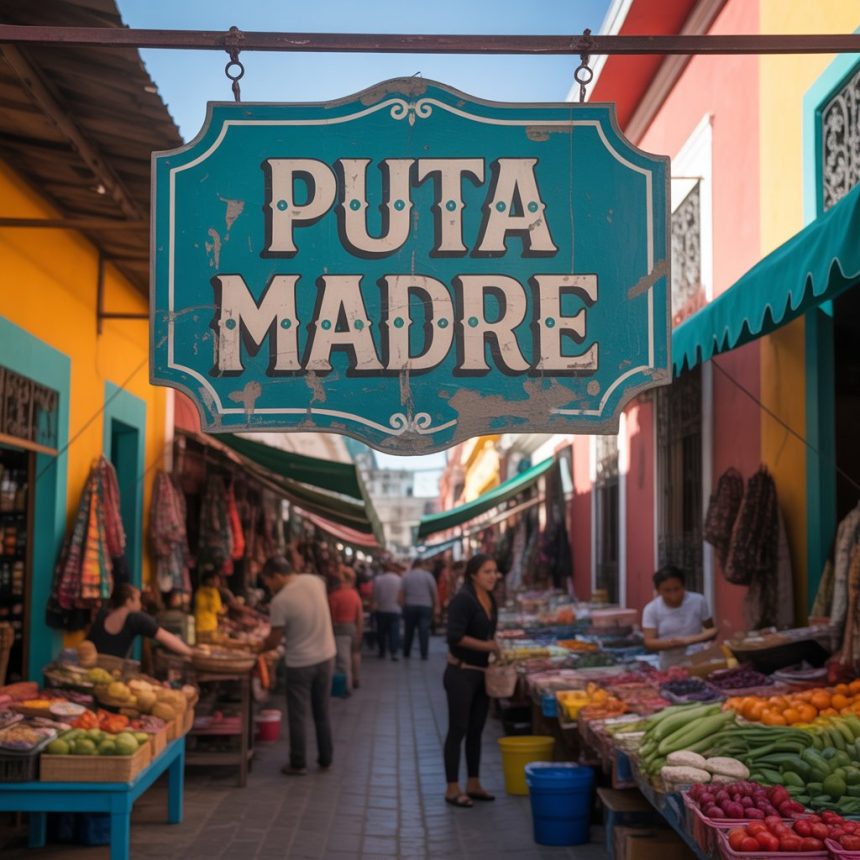
Language is more than just words—it carries culture, emotions, and hidden layers of meaning. Spanish, known for its passion and color, is full of phrases that don’t always translate neatly into English. One of those expressions is “puta madre.”
If you’ve ever overheard it in a movie, while traveling in Spain, or among Latin American friends, you might have wondered: What does it really mean? The answer isn’t simple, because depending on context, “puta madre” can mean something amazingly good, terribly bad, or simply shocking.
In this article, we’ll break down the true meaning, origins, cultural context, and modern usage of the phrase. By the end, you’ll know when (and when not) to use it, and why it’s one of the most intriguing expressions in Spanish.
The Literal Meaning of “Puta Madre”
At first glance, “puta madre” seems harsh. Literally, it translates as “whore mother.” Naturally, this can sound offensive in English, and in many cases, it actually is.
But Spanish is tricky: what looks like an insult can sometimes be a compliment. Just like how in English someone might say “badass” to mean something impressive, “puta madre” can flip from an insult to praise depending on tone and setting.
Why Context Matters More Than Translation
Think of “puta madre” as a chameleon. It changes color depending on the situation. If someone shouts it in anger, it’s negative. But if they say it with a smile, it could mean something fantastic.
Here are some examples:
-
Negative use: “Esto es una puta madre” – “This really sucks.”
-
Positive use: “Está de puta madre” – “It’s awesome!”
That’s why context is everything. Without tone, body language, or situation, it’s easy to misinterpret.
A Brief History of the Phrase
Like many strong expressions, “puta madre” has roots in everyday life and cultural shifts. Scholars trace it back to medieval Spain, where insults involving family members were common ways to dishonor someone. Using “madre” (mother) in an insult was particularly strong because family honor was central in Spanish culture.
Over time, the expression evolved. While it still carries offensive weight, especially in formal settings, slang communities began reusing it in a positive, even affectionate way—similar to how “wicked” in English once meant evil but later came to mean “cool.”
Positive Meanings: When It’s a Compliment
Surprisingly, “puta madre” is often used to show excitement or approval. In Spain especially, people use it to describe something amazing, fun, or excellent.
Examples include:
- “The party was de puta madre—in other words, it was absolutely unforgettable.”
-
“Tu coche está de puta madre” – “Your car looks incredible.”
In this sense, it’s similar to saying “super awesome” or “really great.” But remember, it’s still informal and vulgar, so you wouldn’t use it in polite company.
Negative Meanings: When It’s an Insult
On the flip side, “puta madre” can be incredibly offensive. Used directly toward someone, it’s a strong insult that targets their family honor.
For instance:
-
“Vete a la puta madre que te parió” – “Go back to the cursed mother who brought you into this world.”
This is one of the harshest ways to curse at someone in Spanish. Unlike its positive use, this version carries anger, disrespect, and aggression.
Neutral Uses in Everyday Slang
Interestingly, not every use of “puta madre” is purely positive or negative. Sometimes, it’s used as an exclamation of surprise—neither good nor bad.
For example:
-
“¡Puta madre!” – Said when someone drops their phone, stubs their toe, or hears shocking news.
Here, it works the same way as “damn it!” or “oh, crap!” in English.
Regional Variations: Spain vs. Latin America
While the phrase is understood across Spanish-speaking countries, how it’s used changes with geography.
-
Spain: Spaniards use it more casually and positively, often as a compliment among friends.
-
Mexico: In Mexico, it’s more often taken negatively and can come across as deeply offensive.
-
Argentina and Chile: Usage is mixed, with some communities adopting the positive slang and others sticking to the insult.
This means if you’re learning Spanish, you should be extra cautious. A phrase that makes friends laugh in Madrid might offend someone in Mexico City.
The Role of Tone and Body Language
Much like sarcasm in English, the meaning of “puta madre” depends heavily on how it’s said.
-
Said with a smile and excitement → positive.
-
Said with anger, shouting, or insults → negative.
-
Expressed with a sigh or sharp gasp → a way of venting everyday annoyance.
In fact, it’s so dependent on delivery that non-native speakers are often advised not to use it until they’re deeply familiar with local culture and humor.
Comparisons with English Expressions
If we want to understand it better, we can compare “puta madre” with English slang. It’s a bit like the word “sick.”
-
Literally, “sick” means ill.
-
But in slang, “That’s sick!” means something cool or amazing.
The dual meaning is what makes “puta madre” fascinating—it’s both curse and compliment, depending on who’s saying it and why.
Pop Culture References and Media Usage
Spanish-language films, TV shows, and music often feature “puta madre” because of its raw, emotional punch. It adds realism to dialogue, showing strong feelings without needing long explanations.
In some Spanish comedies, characters use it lightheartedly, while in action films or dramas, it often appears in heated arguments. For learners, exposure through media can be helpful, but remember that characters often exaggerate for effect.
Should You Use “Puta Madre” as a Learner?
If you’re learning Spanish, it might be tempting to use “puta madre” because it sounds authentic and edgy. That said, there are a couple of important points to remember:
-
It’s vulgar. Just like swearing in English, it’s not for polite company or professional settings.
-
It varies by country. What sounds cool in Spain could get you in trouble in Latin America.
-
It requires nuance. Without the right tone, you could easily offend someone.
Safer alternatives for learners include:
-
“Genial” (great)
-
“Increíble” (incredible)
-
“Fantástico” (fantastic)
Why Expressions Like “Puta Madre” Matter
You might wonder, why bother learning such expressions at all? The reason is simple: they reflect real life. Languages are not just textbooks—they’re living, breathing systems shaped by culture and emotion.
Expressions like “puta madre” show us:
-
How people actually talk in informal settings.
-
How slang evolves to carry both insults and compliments.
-
How deeply family, honor, and passion are tied into Spanish-speaking cultures.
It’s like peeking behind the curtain of a language to see the raw energy that drives everyday communication.
FAQs about “Puta Madre”
1. Is “puta madre” always offensive?
No. While it literally sounds harsh, in many contexts it can mean something great or amazing. Its offensiveness depends on tone, intent, and regional culture.
2. Can I use “puta madre” with Spanish friends?
It depends on the relationship. Among close friends in Spain, it may come off as funny or positive. But in Latin America, it’s safer to avoid unless you’re sure it won’t offend.
3. Are there polite alternatives to “puta madre”?
Yes. Words like “genial,” “fantástico,” or “increíble” are safer and widely accepted without vulgarity.
4. Why does “madre” (mother) appear in so many Spanish insults?
Because in traditional Spanish culture, family—especially mothers—represents honor. Insulting someone’s mother is one of the strongest ways to show anger.
5. What’s the best way to understand slang like this?
Immersion in real conversations, films, and media helps. Listening to tone, context, and body language is more important than literal translation.
Conclusion
So, what does “puta madre” really mean? The truth is, it doesn’t have one fixed definition. It can be fantastic, terrible, or just a shocked exclamation—all depending on context, tone, and culture.
For learners and curious readers, the key takeaway is this: understand it, recognize it, but use it with caution. Likefire, it can warm you with excitement or burn you with offense.
By appreciating expressions like “puta madre,” we see how languages are more than vocabulary—they’re mirrors of culture, emotion, and human connection.