








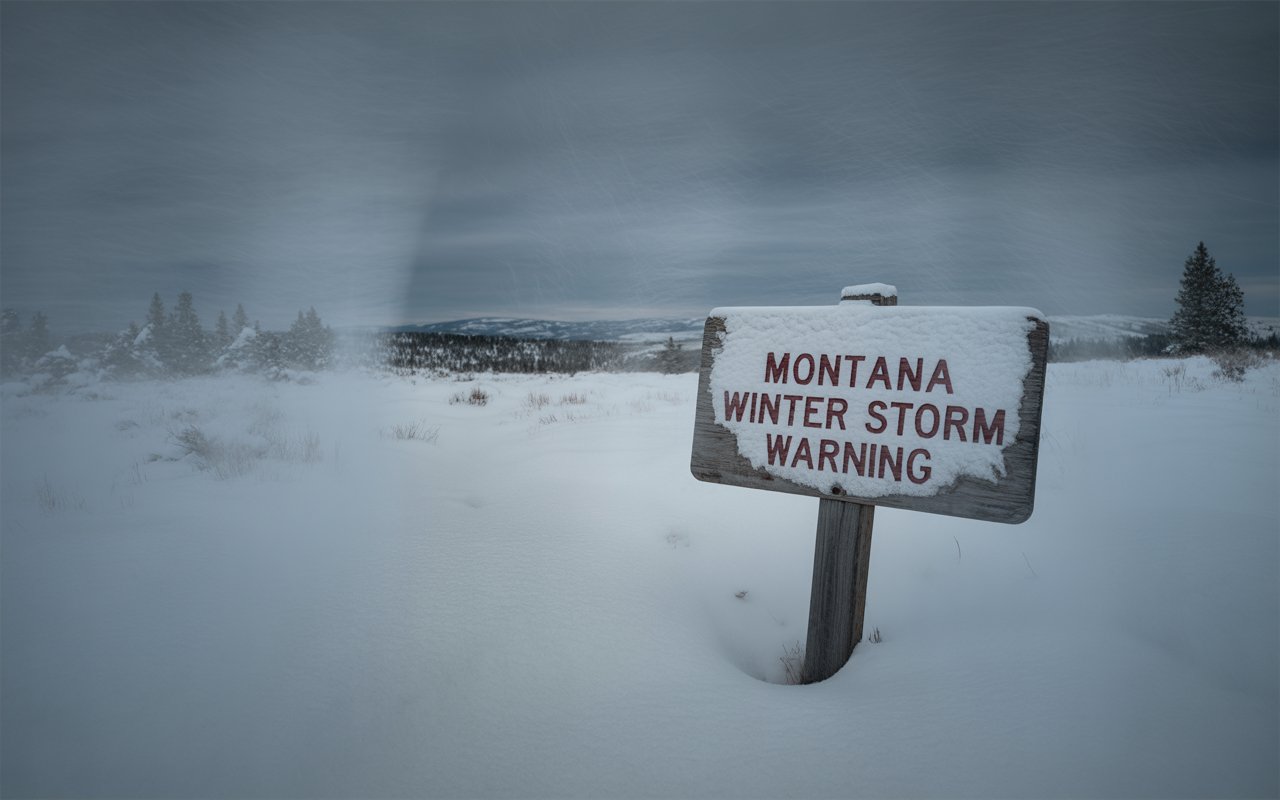
Winter in Montana is no joke. When a winter storm warning is issued, it means serious weather is on the way—snow, ice, high winds, and possibly life-threatening cold. Whether you’re new to the area or a lifelong Montanan, this article has got everything you ought to know to stay safe, prepared, and levelheaded when the skies turn gray and the temperatures plunge.
1. What Is a Winter Storm Warning?
Definition & Purpose
A winter storm warning is an alert from weather authorities—like the National Weather Service—signaling that a significant winter event is either happening or will happen soon. Snow, sleet, freezing rain, or combinations thereof (with cold, wind) could make things dangerous. Unlike a watch, which means possible threats, a warning means expected or occurring threats.
Types of Winter Weather Alerts (Watch vs Warning vs Advisory)
-
Watch: Conditions favorable—storm could develop.
-
Warning: Storm conditions are likely happening or imminent.
-
Advisory: Less severe but still risky—like icy roads or light snow. National Weather Service+2des.mt.gov+2
2. Why Warnings Matter in Montana
Mountain Ranges & Elevation Differences
Montana’s geography (plains, valleys, high mountains) means storms affect places differently. A valley might get icy glaze while a mountain pass gets feet of snow.
Harsh Winters & Sparse Population
Some parts of Montana are remote. When roads are blocked and power is out, help can be far away. Being prepared can be a lifesaver.
Wild Temperature Swings
Quick changes in temperature, wind chill, and precipitation are common. What looks like light snow in the daylight can become dangerous at night.
3. Signs That a Storm Is Brewing

Forecasts & Alerts
Pay attention to National Weather Service alerts. Local radio, TV, apps, and websites will carry updates. Montana’s Department of Emergency Services has guidance too. des.mt.gov+1
Weather Clues in the Sky
Clouds gathering, wind picking up, sharp drops in temperature—all warning signs. Also, atmospheric pressure falling and humidity rising often signal that moisture is coming.
Road/Sky Conditions
Icy patches, frost forming early, or sleet in the air—even if snow hasn’t started—can hint that the conditions needed for a serious storm are in place.
4. Impacts You Might Face
Travel Disruptions
-
Snow-covered, icy roads reduce traction.
-
Blowing/drifting snow may reduce visibility to near zero.
-
Mountain passes often close. Transportation delays are likely. National Weather Service+2The Weather Channel+2
Power & Heat Failures
Heavy ice or snow can damage power lines and trees. When power goes, heating systems may fail. Cold homes become dangerous.
Health Risks
-
Hypothermia & frostbite become real concerns.
-
Elevation, wind chill, moisture all make “feels like” temperatures much lower.
-
Overexertion—like shoveling heavy snow—can lead to heart issues. des.mt.gov+1
Structural & Property Damage
Snow load on roofs, ice buildup on branches, frozen pipes—all potential threats. Ice can bend and break things.
5. Preparing Before the Warning Hits
Stocking Essentials
-
Food, water, medicine for several days.
-
Warm clothes, blankets, appropriate footwear.
-
Non-electric tools & lights (flashlights, batteries).
Inspect Home & Insulation
Seal windows & doors, check heating systems, insulate pipes, have backup heat if possible.
Vehicle Readiness
-
Get good winter tires or chains.
-
Emergency kit: shovel, ice scraper, blanket, snacks, extra layers.
-
Keep gas tank full.
Make a Plan
-
Know shelter locations (public, friends, etc.).
-
Have communication plan with family/friends.
-
Know how to stay informed (weather alerts, apps, local radio).
6. What to Do While the Storm Rages
Stay Indoors Whenever Possible
When a warning is active, the safest place is inside. Most injuries happen outdoors or in vehicles.
Dress in Layers
Multiple layers trap heat better than one thick item. Keep head, hands, feet covered.
Avoid Overexertion
Snow shoveling, pushing cars, etc., can spike heart rate. Take frequent breaks.
Watch Out for Frostbite & Hypothermia
White or pale extremities, tingling or numbness = frostbite. Shivering, confusion, slurred speech = hypothermia. Seek help.
Maintain Ventilation & Carbon Monoxide Safety
Don’t use generators indoors. Clear gas/wood stove vents. Use CO detectors.
7. Traveling During a Warning: Wise or Risky?
Know Whether It’s Necessary
Ask: Is this trip urgent? If not, wait until conditions improve.
If You Must Travel
-
Use trusted routes (main highways). Avoid backroads.
-
Travel during daylight.
-
Inform someone of your route & timing.
-
Carry full emergency kit (food, warm clothing, flashlight, mobile phone with battery bank).
In Vehicle During Storm
If trapped: stay in car, run engine only short bursts to warm, open window slightly for ventilation, keep exhaust clear of snow.
8. Taking Care of Your Home & Heat
Heating
-
Use alternate heat sources safely (wood stove, fireplace, space heater).
-
Keep fireplaces & chimneys clean.
-
Never use ovens/stoves for heating indoors.
Roof & Ice Management
-
Clear heavy snow from roofs if safe.
-
Remove icicles & ice dams carefully.
Prevent Frozen Pipes
Insulate pipes, let faucets drip, keep a trickle of water running during very cold nights.
Backup Power
Have generator ready if possible. Test and ensure fuel is safe/stored.
9. Safety for Vulnerable Folks & Pets

Elderly, Children, Disabled
These groups lose heat faster. Check in on neighbors. Make sure heating is adequate.
Pets & Livestock
Bring pets indoors or provide warm, insulated shelter. Livestock need dry bedding, windbreaks, extra feed & water.
Those Without Proper Resources
If fuel is scarce or power is out, seek warming centers or consider relocating temporarily to safer places.
10. After the Storm: Cleanup, Recovery, & Health
Check for Damage Safely
Beware of falling branches, unstable snow on roofs. Inspect for roof leaks or structural stress.
Clear Walkways & Roads
Shovel sidewalks, driveways. Use sand or de-icing agents.
Power Restoration & Food Safety
Throw out spoiled food if fridge was out. Keep fridge closed.
Health & Mental Health
Exposure, stress, loss of comfort—these all take a toll. Drink warm fluids, rest, seek medical attention if needed.
11. When to Take Warnings Seriously
Sometimes people shrug off warnings. But in Montana, even a few inches of snow + wind + cold can change lives. Here are cues that mean this is serious:
-
Forecasted snowfall or ice accumulation is substantial (several inches, overnight).
-
Wind speeds are high or blowing snow is expected—visibility could drop.
-
Temperatures dropping below freezing for extended period.
-
Power failure risks (ice on lines, downed trees).
-
The warning covers your area—don’t assume you’re safe because you’re in a city or valley.
FAQs
1. What’s the difference between a winter storm warning and a winter storm watch?
A watch means severe winter weather is possible—plan and be alert. A warning means it’s going to happen (or already is)—take action now.
2. How cold does it have to be before hypothermia becomes a concern?
Even temperatures near or slightly below freezing—especially with wind, wet clothes, or when someone is inactive—can lead to hypothermia. The colder and windier it gets, the quicker the risk.
3. Are all roads closed during winter storm warnings?
Not always. Main highways might be kept clear, but secondary roads may have snow, ice, drift, or closures. It depends on severity. Always check road reports.
4. Can I use a generator indoors if power goes out?
No. Generators must be used outdoors, away from windows and vents, to avoid carbon monoxide poisoning. Always follow safety instructions.
5. When should I seek medical help during or after a winter storm?
If you or someone shows signs of frostbite (numbness, pale/white skin on fingers, toes, nose, ears) or hypothermia (uncontrolled shivering, confusion, slurred speech) you should get medical attention. Also if the storm causes injuries, falls, or breathing problems.
Conclusion
Winter storms in Montana are not just “annoying winter weather”; they can be dangerous, disruptive—and sometimes life-threatening. But you don’t have to feel helpless. With advance preparation, smart decision-making, and respect for what the weather can do, you can face the storm with confidence. Remember, when a winter storm warning sounds, treat it like more than an alert—it’s your cue to act.