







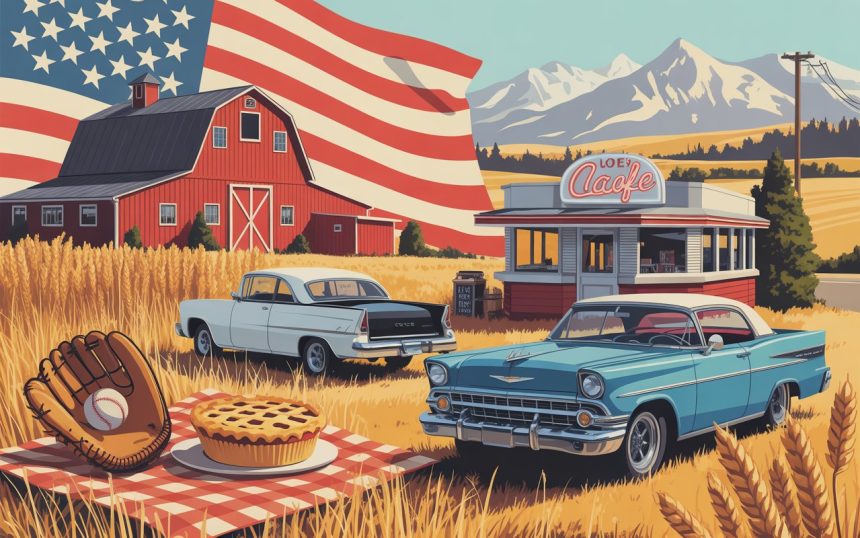
American culture is one of the most dynamic and multifaceted in the world. It’s a vibrant blend of traditions, beliefs, lifestyles, and customs shaped by centuries of immigration, innovation, and social change. From Hollywood movies to Thanksgiving dinners, baseball games, and jazz music, American culture reaches every corner of the globe. But what really makes it tick? What lies at the core of what we call “American culture”?
Let’s take a deep dive into the essence of the United States—its people, values, arts, and way of life—and uncover what makes American culture so uniquely influential and ever-evolving.
1. The Roots of American Culture
American culture didn’t appear overnight. It was born from the fusion of Indigenous traditions, European colonial influence, African heritage, and countless waves of immigration. The country’s cultural DNA is built on diversity and adaptation.
A Melting Pot of Influences
From the start, America was a crossroads for cultures. Native American customs shaped early life, while European settlers introduced new languages, laws, and religions. Later, immigrants from Asia, Africa, and Latin America added their own traditions, enriching the cultural tapestry. This blending of backgrounds gave rise to the term “melting pot”—a metaphor that still perfectly describes the American experience.
2. The American Dream: A Core Ideal
If there’s one phrase that captures the essence of the U.S., it’s the American Dream—the belief that anyone, regardless of background, can achieve success through hard work and determination.
From Rags to Riches
This ideal has been a driving force in American life since the nation’s founding. Whether it’s inventors like Thomas Edison, entrepreneurs like Steve Jobs, or artists like Beyoncé, the belief that opportunities are limitless continues to inspire millions. The dream isn’t just about wealth—it’s about freedom, equality, and the pursuit of happiness.
3. Family and Social Life
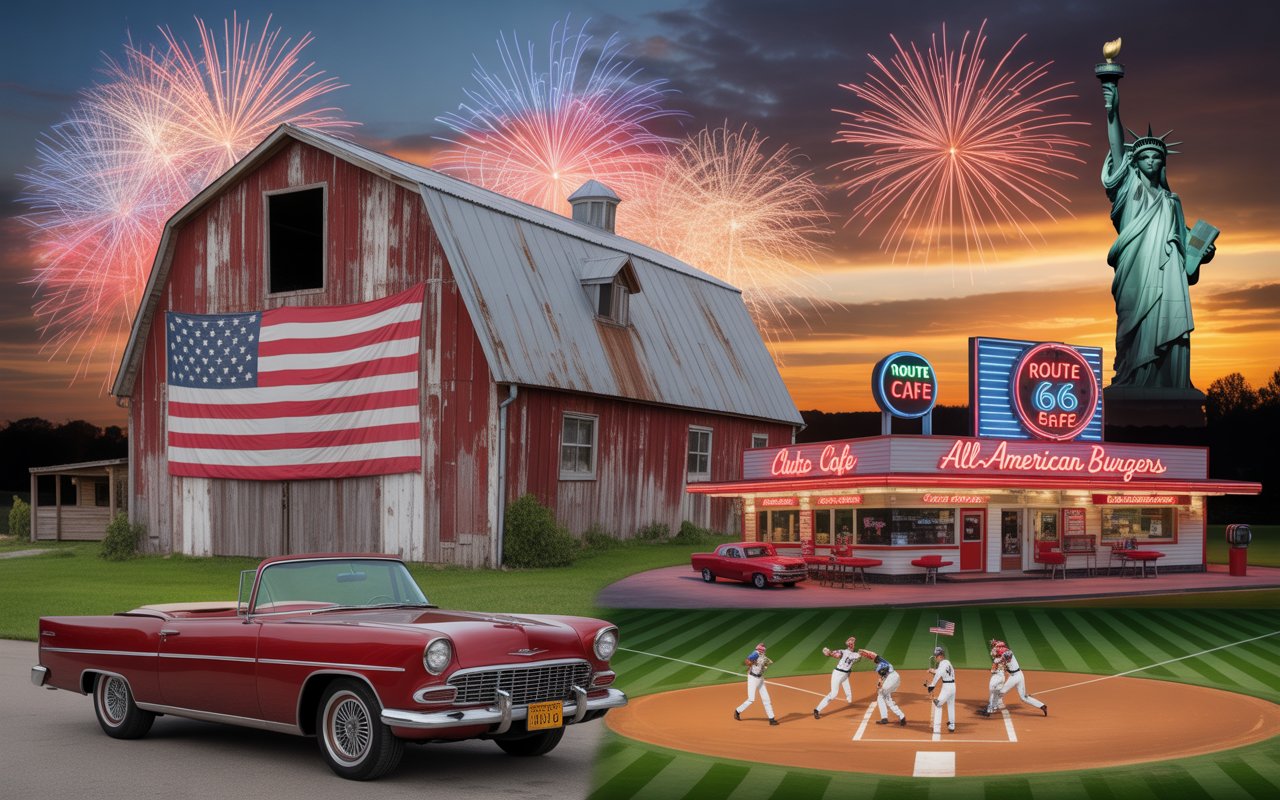
American families today look very different from those of the past. They reflect the country’s diversity and changing values.
Modern Family Structures
Traditional nuclear families—parents and children under one roof—are still common, but there’s growing acceptance of different family models: single-parent households, blended families, and same-sex couples raising children. What remains constant, however, is the emphasis on independence and self-expression.
Friendship and Community
In social settings, Americans are known for being friendly, informal, and open. They greet strangers with a smile and value personal space and freedom. Volunteering and community service are also central aspects of social life, reflecting a collective spirit of giving back.
4. The Role of Language
English is the dominant language, but the U.S. is home to hundreds of languages due to its multicultural makeup.
English and Beyond
While most Americans speak English, Spanish is widely used—especially in states like California, Texas, and Florida. Other languages such as Chinese, Tagalog, Vietnamese, and Arabic are also common. This multilingual environment enriches daily communication and influences everything from cuisine to music.
5. Food: A Delicious Blend of Cultures
American food culture is as diverse as its people. From fast food to fine dining, it reflects the melting pot identity of the nation.
Classic American Favorites
Think burgers, hot dogs, apple pie, and fried chicken—these dishes are staples of American cuisine. Yet, many originated from immigrant traditions. Pizza and bagels came from Italian and Jewish immigrants, while tacos and burritos reflect the influence of Mexican culture.
Regional Flavors
Each region of the U.S. has its own culinary personality:
-
The South: Soul food, barbecue, and Cajun spices.
-
The Midwest: Comfort food and casseroles.
-
The West Coast: Fresh, health-conscious cuisine.
-
The Northeast: Seafood, clam chowder, and bagels.
Food is more than nourishment—it’s a way Americans express identity, celebrate holidays, and share their stories.
6. Celebrations and Holidays
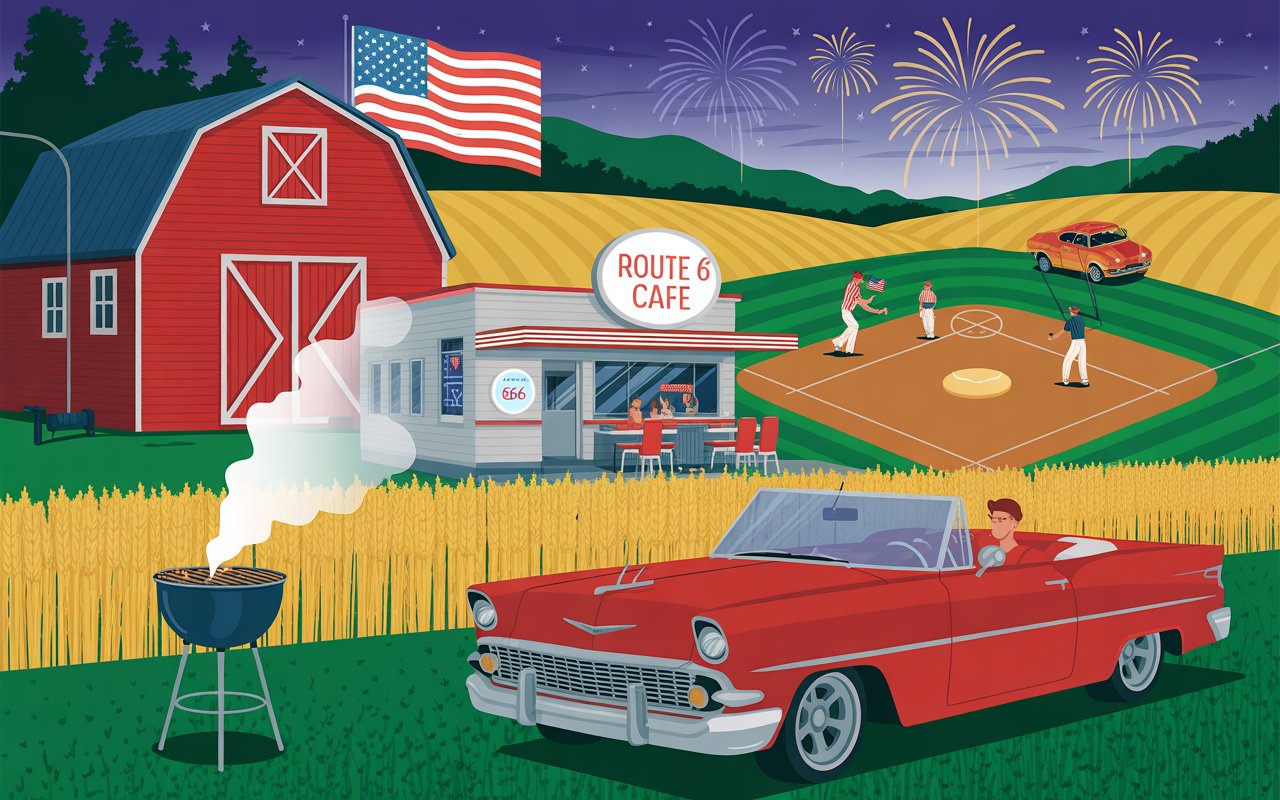
American holidays tell the story of the nation’s history and values.
National Holidays
-
Independence Day (July 4): Fireworks, parades, and patriotism mark the country’s birth.
-
Thanksgiving: Families gather for a feast to express gratitude—a reflection of unity and tradition.
-
Martin Luther King Jr. Day: A day to honor the fight for civil rights and equality.
Cultural and Religious Diversity
Beyond federal holidays, there are celebrations like Diwali, Hanukkah, Ramadan, and Chinese New Year—evidence of the cultural pluralism that defines the United States.
7. Music, Art, and Entertainment
If culture is the soul of a nation, then art is its heartbeat. American culture has shaped global entertainment in countless ways.
The Soundtrack of America
From jazz and blues to rock, hip-hop, and country music, America’s sound has echoed across the world. African American communities, in particular, have deeply influenced musical evolution—creating genres that broke barriers and inspired movements.
Hollywood and Beyond
The film industry, centered in Hollywood, is another cornerstone of American culture. American movies dominate global screens, spreading ideas of freedom, heroism, and creativity. Today, streaming services like Netflix continue that legacy, bringing American storytelling to millions worldwide.
8. Sports and Recreation
Sports are more than games in America—they’re a reflection of values like teamwork, competition, and perseverance.
National Pastimes
Baseball, often called “America’s pastime,” has deep historical roots, while football and basketball dominate today’s sporting landscape. The Super Bowl is practically a national holiday, uniting fans through spectacle and shared excitement.
Outdoor Adventures
Beyond professional sports, Americans love the outdoors—camping, hiking, and fishing are popular pastimes. This love of nature ties back to the country’s vast landscapes and pioneering spirit.
9. Education and Innovation
Education holds a special place in American culture, seen as the gateway to opportunity and personal growth.
A System That Encourages Independence
American schools and universities emphasize creativity, critical thinking, and self-expression. Students are encouraged to question, explore, and innovate—values that have made American universities global leaders in research and technology.
Innovation as a Cultural Trait
From Silicon Valley startups to medical breakthroughs, innovation is part of America’s DNA. The country’s drive for progress reflects its belief in limitless potential—a modern reflection of the American Dream.
10. Religion and Spiritual Diversity
Religion in America is both diverse and deeply personal.
Freedom of Belief
The U.S. Constitution guarantees freedom of religion, allowing people to practice—or not practice—any faith. Christianity remains the largest religion, but there’s also significant representation of Judaism, Islam, Buddhism, Hinduism, and growing numbers of non-religious individuals.
Spiritual but Not Religious
Many Americans identify as “spiritual” rather than “religious,” reflecting an individualistic approach to faith and personal meaning. This mirrors the country’s broader cultural theme of freedom and self-determination.
11. Fashion and Lifestyle
Fashion in America is about self-expression and practicality rather than strict formality.
Casual and Individualistic
Jeans, sneakers, and T-shirts dominate everyday wear—a symbol of the relaxed, democratic spirit of American society. Yet, fashion hubs like New York and Los Angeles also drive global trends, proving that simplicity and creativity can coexist.
Work-Life Balance
Americans work hard but also value leisure. Vacations, weekend getaways, and hobbies play an essential role in maintaining balance. The emphasis is on productivity and personal happiness—a constant juggling act in modern life.
12. Technology and Media Influence
In the 21st century, technology has become a defining feature of American culture.
Digital Innovation
Companies like Apple, Google, and Microsoft revolutionized communication, entertainment, and daily living. The digital age has made American pop culture instantly shareable—whether through YouTube, social media, or video games.
Media and Global Influence
American media has global reach. TV shows, movies, and online content shape opinions and trends worldwide. While some see this as cultural dominance, others view it as a form of soft power—America’s ability to influence through ideas and creativity rather than force.
Frequently Asked Questions (FAQs)
1. What makes American culture unique?
American culture stands out for its diversity and adaptability. It blends influences from around the world while maintaining strong ideals of freedom, individuality, and innovation.
2. How does immigration shape American culture?
Immigration constantly refreshes American culture, introducing new languages, foods, music, and customs. This ongoing exchange keeps the culture dynamic and evolving.
3. What are some important American traditions?
Key traditions include celebrating Thanksgiving, Independence Day, and other holidays that emphasize family, gratitude, and patriotism. Community service and volunteerism are also central to American life.
4. Why is the American Dream important in culture?
The American Dream symbolizes hope, ambition, and opportunity. It reflects the belief that success comes from hard work and that everyone has a fair chance to achieve it.
5. How does American pop culture influence the world?
Through music, movies, technology, and fashion, American pop culture reaches a global audience. It sets trends and spreads ideas that shape lifestyles and attitudes across continents.
Conclusion: The Ever-Evolving Spirit of America
American culture isn’t static—it’s a living, breathing organism that evolves with every generation. Its beauty lies in diversity, innovation, and freedom. Like a patchwork quilt, it weaves together countless threads—each representing a different story, background, or belief. Together, they create something bold, colorful, and unmistakably American.
Just like jazz, the rhythm of American culture changes but never loses its beat.