







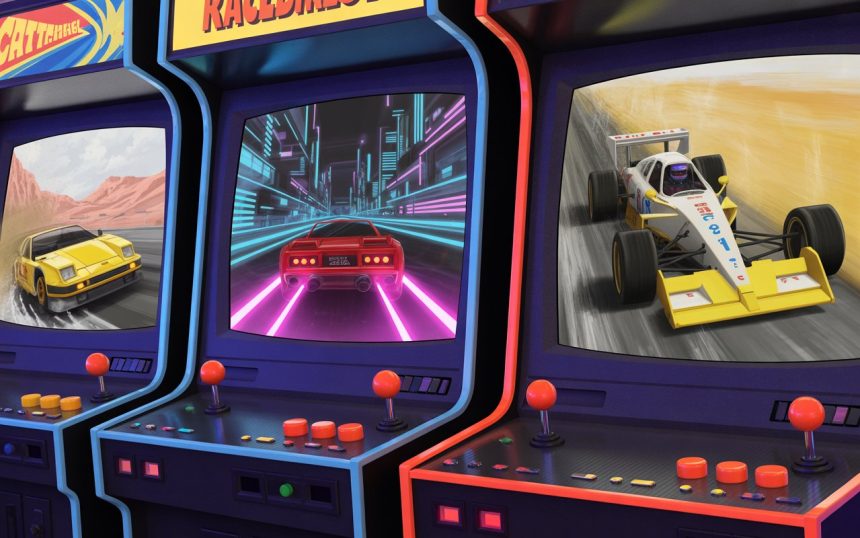
Ever since cars hit the roads, humans have been fascinated by speed, control, and competition. That same excitement has seamlessly transitioned into the digital world through car games. Whether it’s the adrenaline rush of realistic racing simulators or the joy of cruising in casual arcade titles, car games appeal to players of all ages. They let us experience the thrill of driving without ever leaving our chairs.
In this comprehensive guide, we’ll explore the world of car games — their evolution, types, platforms, mechanics, and why they continue to captivate millions around the globe.
What Makes Car Games So Popular?
Have you ever wondered why so many people, young and old, love car games? It’s not just about speed — it’s about freedom, control, and escape.
Car games let you experience what’s often impossible in real life: driving at 200 mph through busy city streets, performing impossible stunts, or owning luxury cars that cost millions. They’re an accessible way to feel the thrill of the road.
Just like how reading takes you into another world, car games take you behind the wheel — a place where you make the rules.
A Brief History of Car Games
The story of car games dates back to the 1970s, when gaming itself was in its infancy. Titles like Gran Trak 10 and Night Driver were among the first to simulate driving.
-
1980s – The Arcade Era: Games like Out Run introduced smooth scrolling graphics and colorful environments that made driving exciting and fun.
-
1990s – The Console Boom: With consoles like PlayStation and Nintendo, franchises such as Gran Turismo and Mario Kart set new standards for both realism and entertainment.
-
2000s – Online and Open World: The rise of the internet and better graphics brought us open-world experiences like Need for Speed and Burnout Paradise.
-
Today: Modern car games blend realism, customization, and social interaction — from hyper-realistic simulators to casual mobile hits.
Each decade added a new gear to the evolution of the genre.
Types of Car Games
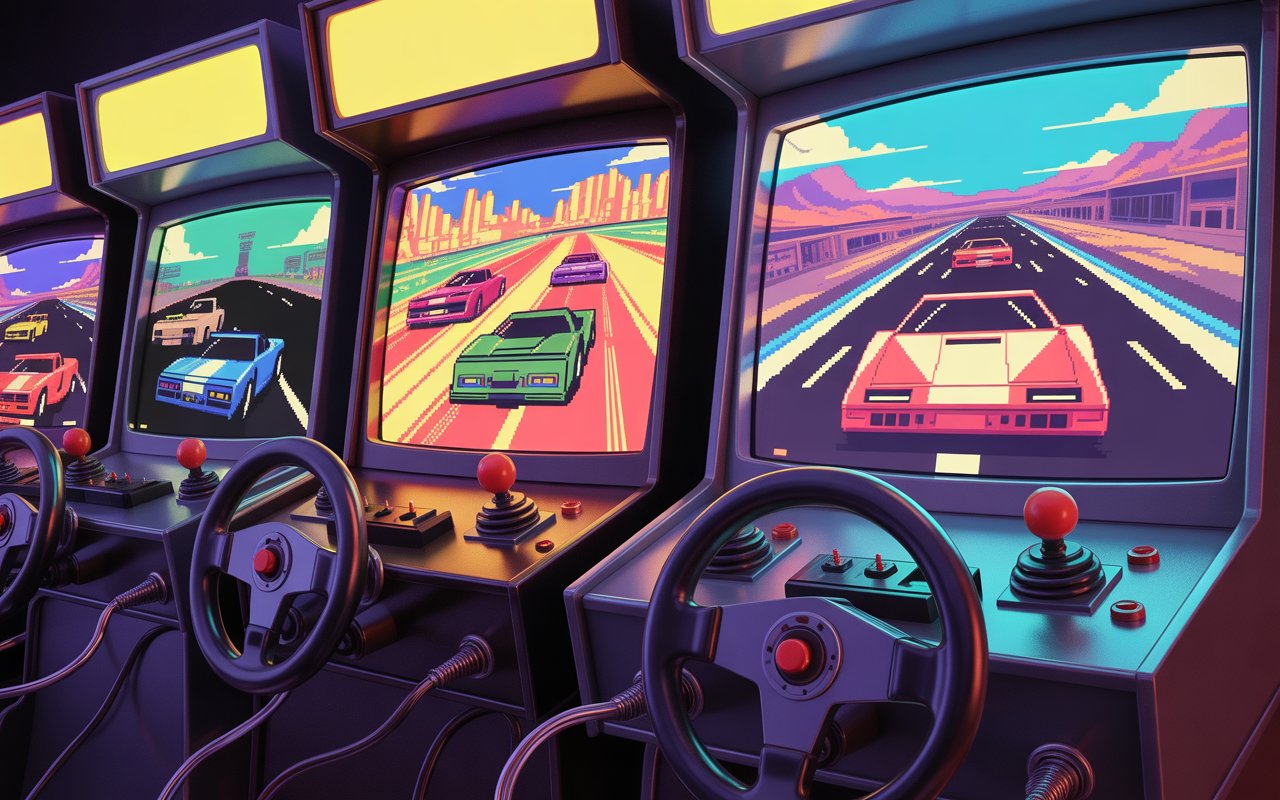
Car games are as diverse as the roads they simulate. Let’s take a closer look at the major types that keep players hooked.
1. Racing Simulators
These are for players who crave realism. Games like Assetto Corsa and iRacing mimic real-world physics, tire grip, and engine behavior. You can even adjust suspension settings or tire pressure to optimize performance — just like real racing teams do.
2. Arcade Racers
Fun, flashy, and fast. Arcade-style car games like Need for Speed or Burnout focus on speed and excitement rather than realism. They often feature nitro boosts, wild crashes, and open-world exploration.
3. Kart Racers
Who doesn’t love Mario Kart? Kart racing games bring humor, bright visuals, and creative power-ups. They’re ideal for family fun and party play.
4. Off-Road Adventures
These games take you off the smooth tarmac and into the wild — deserts, mountains, and muddy tracks. Titles like MudRunner and Forza Horizon deliver rugged terrain challenges that test driving precision.
5. Open-World Driving Games
Imagine having the freedom to drive anywhere — that’s the appeal of open-world car games like Forza Horizon 5 or The Crew 2. They blend exploration, racing, and social interaction in vast, beautifully designed environments.
6. Car Battle and Destruction Games
If you prefer chaos over calm, games like Twisted Metal or Wreckfest combine driving with destruction. It’s not about finishing first — it’s about surviving.
7. Educational and Kids’ Car Games
For younger players, games like Car Simulator Kids or Disney Cars blend fun with learning, introducing basic driving concepts and coordination skills.
Realism vs. Fun: The Great Debate
In the car gaming community, there’s an ongoing debate: should a good car game focus on realism or fun?
-
Realism attracts players who want to feel like real drivers. They love the challenge of mastering every curve and shift.
-
Fun-focused gameplay appeals to casual players who want excitement without the technical complexity.
Ultimately, both have their place — it’s like comparing chess and checkers. One demands precision; the other promises laughter.
The Role of Graphics and Physics Engines
Ever noticed how car games today look almost real? That’s because of powerful graphics and physics engines. These technologies simulate light, movement, and physical interactions — from dust clouds under tires to reflections on shiny hoods.
For example:
-
Unreal Engine and Unity power most modern games, offering lifelike visuals.
-
Physics engines handle how cars drift, collide, or react to terrain.
Without these systems, even the best-designed car wouldn’t feel right. It’s what makes your virtual drive feel real.
Customization: Make It Yours
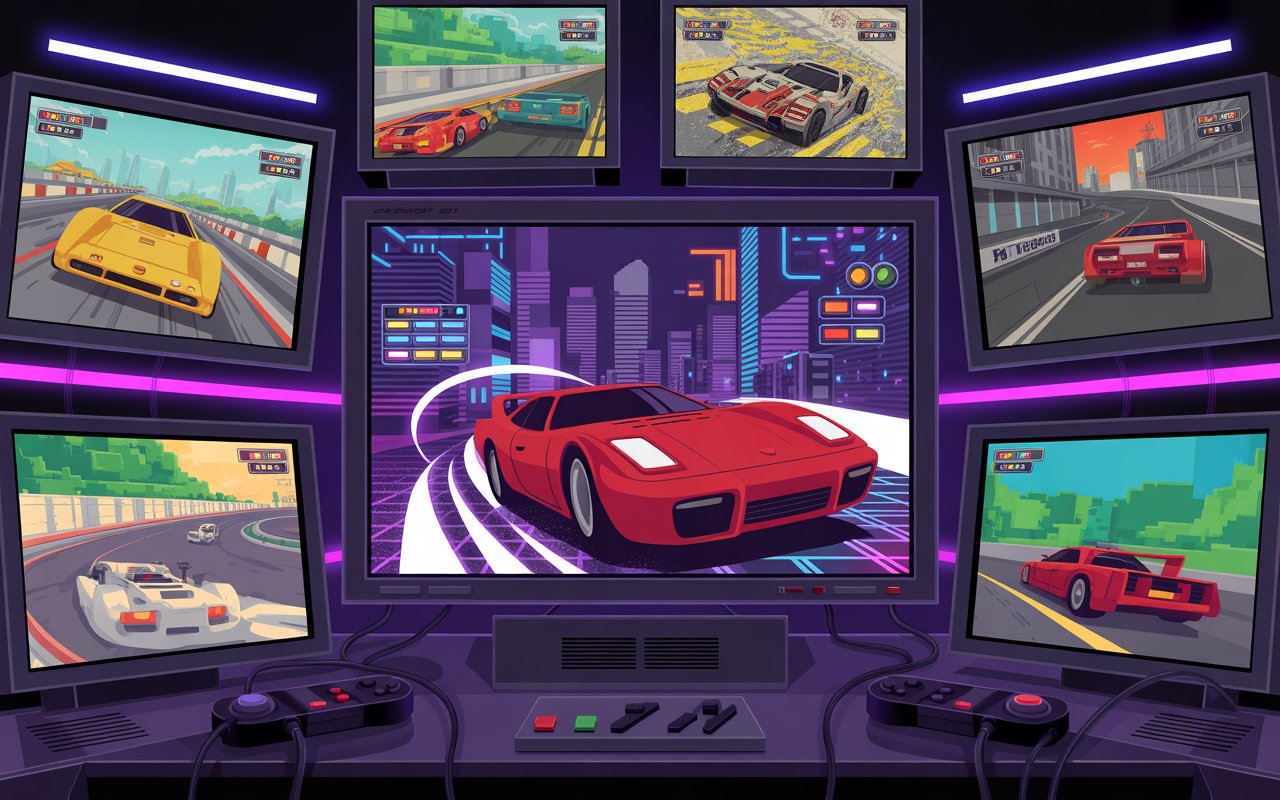
One of the biggest joys in modern car games is customization. You’re not just a player — you’re a creator.
You can change everything from:
-
Car color and decals
-
Performance upgrades (engine, turbo, suspension)
-
Interior and accessories
In many games, customization isn’t just aesthetic — it affects handling and performance. It’s like tuning a real car to suit your driving personality.
The Social Side of Car Games
Car games aren’t just solo experiences anymore. Thanks to online multiplayer modes, they’ve become social platforms where players meet, race, and collaborate.
Games like Forza Horizon or Gran Turismo 7 let players join clubs, share photos, and participate in global events. Some even organize real-world tournaments with massive prizes.
It’s proof that the love for cars brings people together — both virtually and in reality.
Mobile Car Games: Gaming on the Go
With smartphones becoming more powerful, mobile car games have surged in popularity. Titles like Asphalt 9: Legends and Real Racing 3 bring console-quality racing to your pocket.
Mobile games are perfect for short bursts of entertainment, and many include competitive leaderboards, daily missions, and multiplayer events.
It’s no exaggeration to say mobile platforms have put the thrill of driving literally at our fingertips.
Virtual Reality (VR) and the Future of Car Games
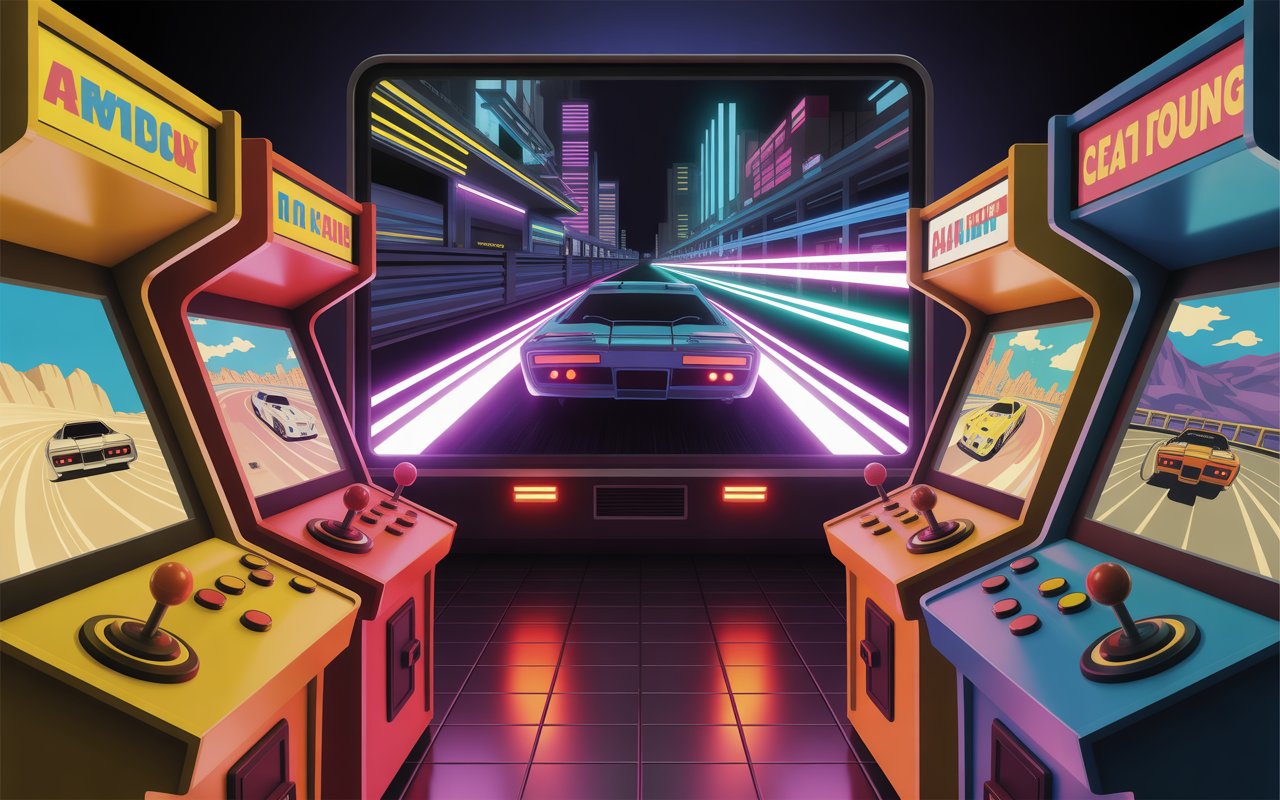
Imagine sitting in a racing seat, gripping a real steering wheel, and feeling the vibration of the road — all without leaving your room. That’s what VR car games offer.
With systems like the Oculus Rift and PlayStation VR, players are immersed in ultra-realistic environments. You can look around naturally, check mirrors, and even feel motion feedback.
As VR technology improves, expect car games to become more immersive, with features like eye-tracking and full motion simulation.
Esports and Competitive Car Gaming
Car gaming has evolved into a professional sport. Esports racing leagues like the FIA Gran Turismo Championships and F1 Esports Series attract millions of viewers worldwide.
Professional gamers compete for fame, sponsorships, and big cash prizes. What’s fascinating is how closely these competitions resemble real racing — complete with pit strategies, qualifying laps, and team management.
It’s proof that car games have blurred the line between virtual and real motorsport.
Learning Through Play: Educational Benefits
While car games are mainly for fun, they also improve several skills:
-
Hand-eye coordination
-
Decision-making under pressure
-
Spatial awareness
-
Understanding of basic physics and mechanics
Some driving simulators are even used by real-world driving schools and race teams for training. So yes, gaming can sometimes make you a better driver!
Safety and Responsibility in Car Gaming
Here’s an important point — virtual driving isn’t real driving. Some players, especially young ones, may get inspired to try reckless stunts in real life. That’s why developers include warnings and realistic safety reminders.
Enjoy the freedom of the virtual road, but remember — real-life driving has real consequences.
The Road Ahead: The Future of Car Games
The future of car games looks faster, smarter, and more connected. With AI opponents, cloud gaming, and augmented reality (AR), the next generation of driving experiences will blend technology and imagination like never before.
You might soon see features like:
-
Dynamic weather that affects gameplay in real-time
-
Cross-platform multiplayer racing
-
AI co-drivers that learn from your style
-
Real-time GPS integration with real-world maps
The future of car games is a superhighway — and it’s only getting started.
FAQs
1. What is the most realistic car game available today?
Games like Assetto Corsa Competizione and iRacing are widely considered the most realistic due to their accurate physics and professional-grade simulation features.
2. Can playing car games improve real driving skills?
Yes, to some extent. Car games enhance hand-eye coordination, reaction time, and spatial awareness — though they can’t replace real driving experience.
3. Are car games suitable for children?
Absolutely! Many car games are designed specifically for kids, offering fun and educational gameplay without violence or complex mechanics.
4. What’s the difference between arcade racing and simulation racing?
Arcade racing focuses on fast-paced fun and exaggerated physics, while simulation racing aims to replicate real driving conditions and mechanics.
5. What does the future hold for car games?
Expect more integration of VR, AI, and cloud technology, creating immersive and connected experiences that blur the line between gaming and real-world driving.
Conclusion
Car games aren’t just about driving — they’re about freedom, creativity, and connection. From the nostalgic arcade classics to hyper-realistic simulators and vibrant online communities, the genre has something for everyone.
They give us the thrill of speed, the satisfaction of mastery, and the joy of exploration — all from the comfort of home. So next time you start a car game, remember: it’s not just play; it’s a journey through the evolution of imagination and technology.