







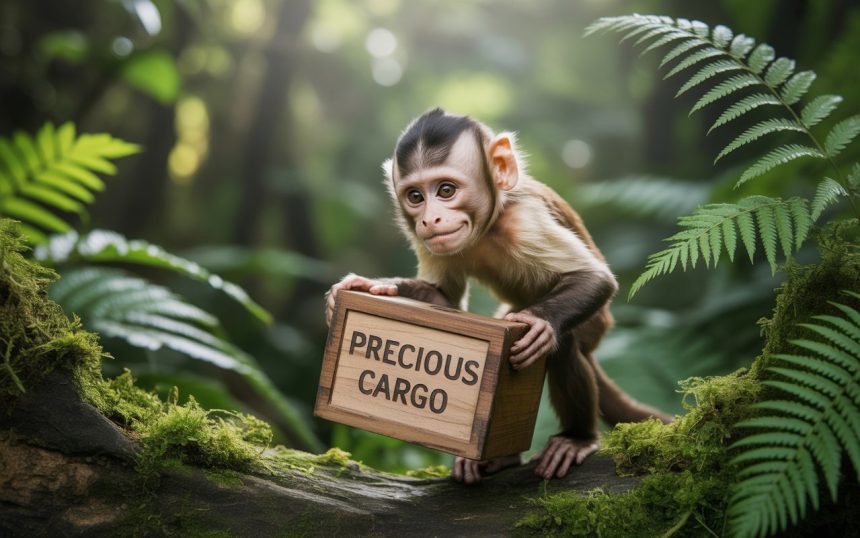
Ever spotted a monkey carrying a box and wondered what’s going on? It’s a sight that can make anyone pause and smile. Whether it’s a curious animal in a bustling market or a clever primate in the wild, this behavior sparks questions about intelligence, adaptability, and the surprising ways animals interact with human environments. Let’s take a deep dive into this fascinating scene and uncover the many layers behind a monkey carrying a box.
The Curious Appeal of a Monkey Carrying a Box
Why does the simple act of a monkey holding a box feel so captivating? Partly because it’s unexpected—monkeys are known for swinging through trees, not hauling around objects that look like they belong in a warehouse. Seeing them mimic human behavior, even accidentally, reminds us of how closely related we are. It’s like watching a distant cousin trying out one of our chores.
Monkeys and Their Natural Curiosity
Monkeys are natural explorers. Their brains are wired for curiosity, which drives them to investigate anything new in their environment. A box, whether it smells like food or simply looks intriguing, is a perfect puzzle for them. Think of it as a mystery gift—monkeys can’t resist checking it out, turning it over, and maybe even taking it home.
The Role of Play in Monkey Behavior
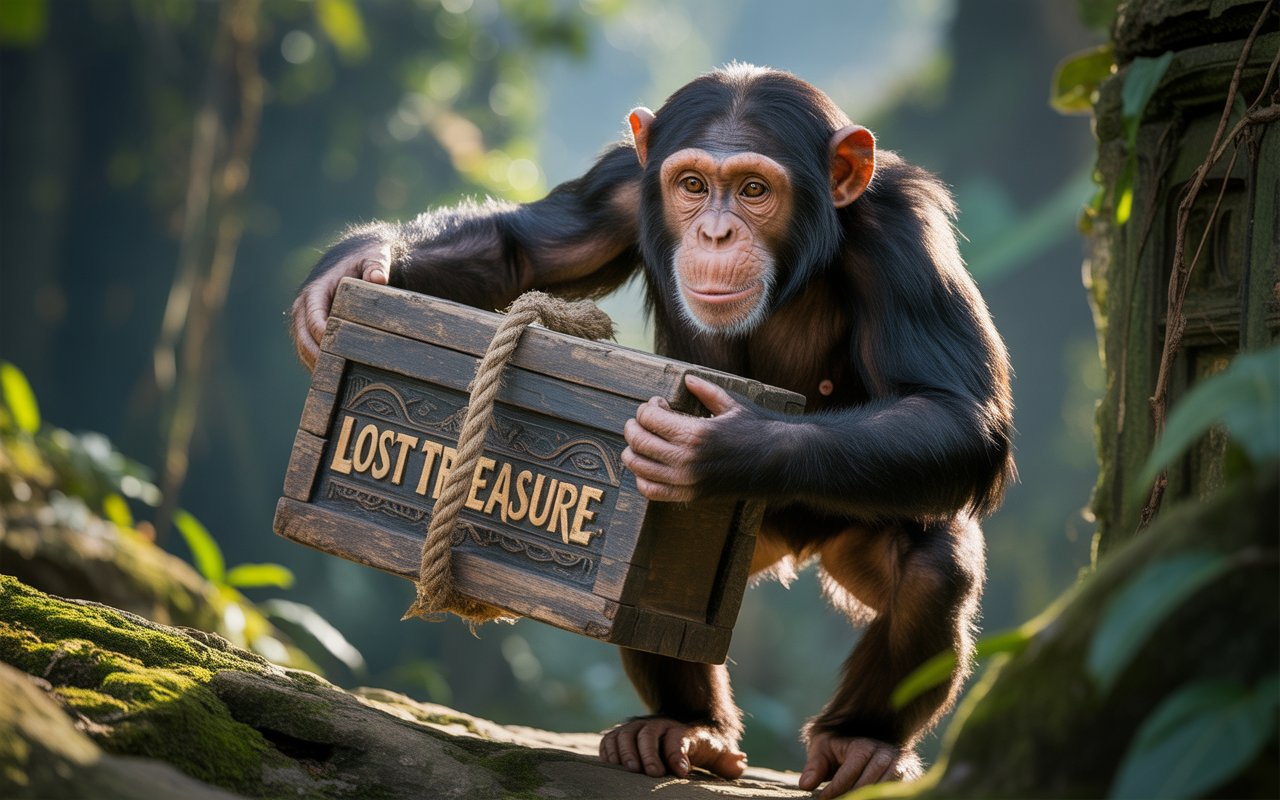
Play isn’t just fun for monkeys; it’s vital for learning. Young primates especially use play to develop motor skills, problem-solving abilities, and social bonds. A box offers endless opportunities for play. It can become a drum, a hiding spot, or even a makeshift seat. Watching a monkey experiment with a box is like observing a child with a brand-new toy—imagination takes over.
Intelligence and Tool Use Among Primates
When a monkey carries a box, it’s more than random behavior. Many species of monkeys are known to use tools—stones to crack nuts, sticks to fish out insects. Carrying an object shows planning and foresight. The box might be heavy or awkward, but the monkey’s persistence reveals determination and cleverness, traits we often consider uniquely human.
Urban Encounters: Monkeys in Human Spaces
In many parts of the world, monkeys share their environment with people. Markets in India, temples in Thailand, and parks in parts of Africa are common places to see these nimble creatures. Boxes often contain food or shiny items that draw their attention. Sometimes they grab a box simply because humans seem to value it, turning it into an object of desire.
Cultural Symbolism and Stories
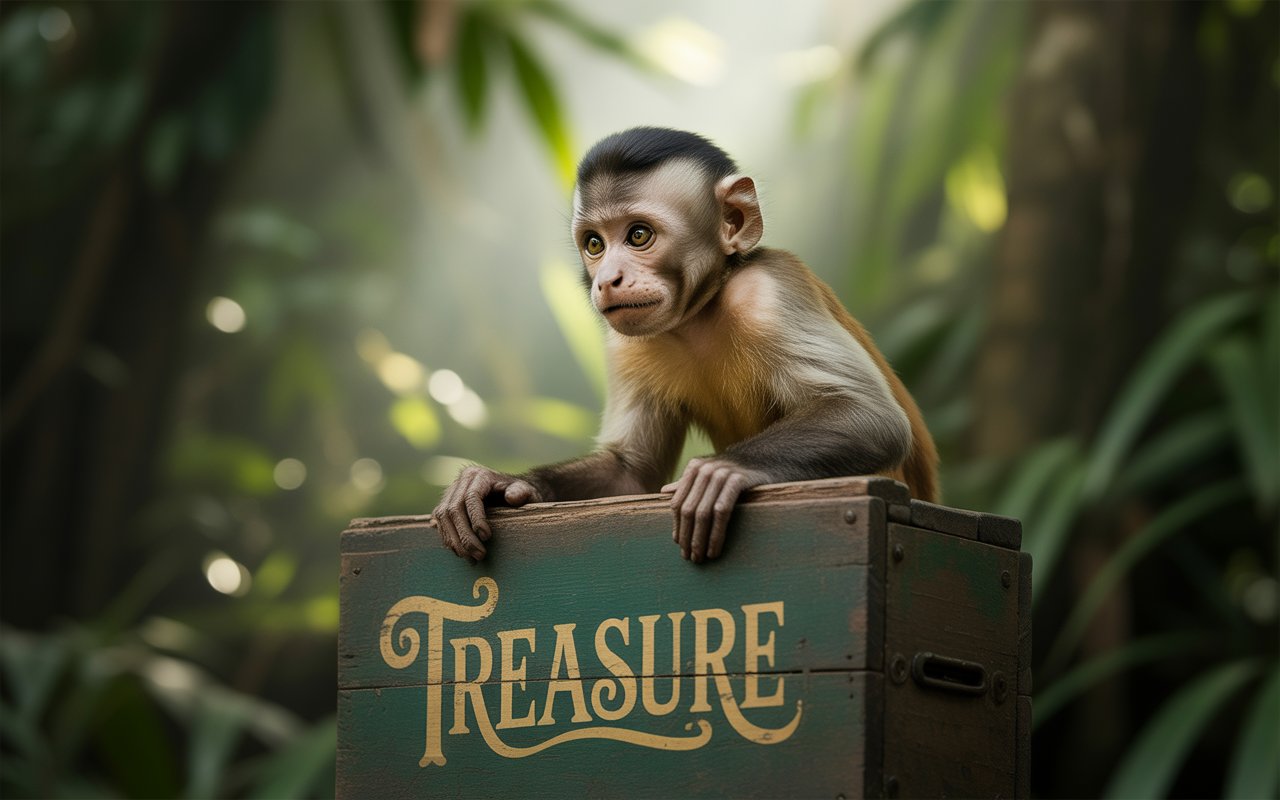
Across cultures, monkeys have long symbolized mischief, intelligence, and adaptability. From Chinese folklore to African legends, tales of monkeys stealing or carrying human possessions abound. A monkey carrying a box fits right into these age-old stories—modern proof that these animals continue to blur the line between nature and culture.
Conservation and Coexistence
While the image of a monkey with a box can be amusing, it raises important questions about coexistence. Human expansion often pushes wildlife into closer contact with people. When monkeys raid garbage bins or markets for boxes and food, it’s a sign of shrinking habitats. Protecting natural spaces ensures that monkeys can play and explore without depending on human leftovers.
Lessons in Problem-Solving
Watching a monkey figure out how to balance a box while leaping across branches is a lesson in persistence. They adjust their grip, shift their weight, and sometimes recruit help from other monkeys. It’s like watching a tiny mover on a challenging delivery route—proof that creativity isn’t just a human trait.
Safety for Both Monkeys and Humans
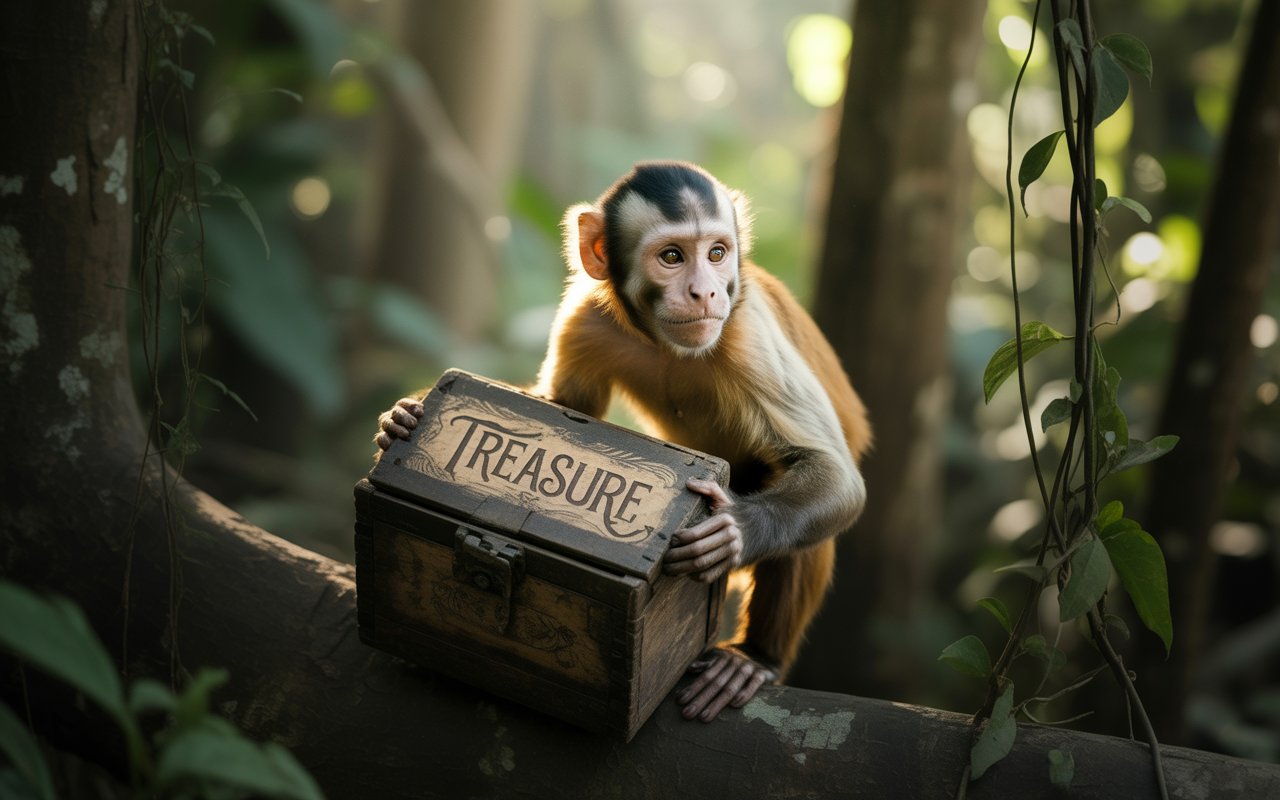
A monkey carrying a box may look cute, but it can also pose risks. Boxes might contain harmful materials, or the monkey could become aggressive if approached. Wildlife experts often remind people to observe from a distance and avoid feeding or teasing animals. Respect ensures both sides stay safe.
An Analogy: The Little Delivery Worker
Think of a monkey with a box as nature’s own courier service. Just as a delivery driver navigates traffic and obstacles to reach your doorstep, the monkey navigates branches, curious peers, and the occasional startled human to get its prize to safety. It’s a delightful metaphor for determination and resourcefulness.
Capturing the Moment: Photography and Observation
Photographers and wildlife enthusiasts often find these encounters irresistible. A snapshot of a monkey balancing a box on its head or hugging it like a treasure tells a story of intelligence and adaptability. Ethical observation, however, means not baiting animals or disturbing their routines for the sake of a picture.
FAQs
1. Why would a monkey carry a box?
Monkeys are naturally curious and may carry a box to explore it, play with it, or investigate smells that hint at food inside.
2. Are monkeys smart enough to use boxes as tools?
Yes, many primates use objects as tools. A box might become a container, a hiding place, or even a platform for play.
3. Is it safe to approach a monkey carrying something?
No. Monkeys can be unpredictable and protective of objects they value. It’s best to watch from a safe distance.
4. Do monkeys take boxes only in cities?
Not necessarily. While urban areas offer more opportunities to find human-made objects, monkeys in the wild also experiment with anything novel.
5. What does this behavior tell us about monkeys?
It highlights their intelligence, adaptability, and ability to learn from their surroundings, making them some of the most resourceful animals on the planet.
Conclusion: A Window into Primate Ingenuity
The simple image of a monkey carrying a box reveals a world of intelligence, curiosity, and adaptation. It’s more than a funny moment; it’s a glimpse into how animals think, play, and survive alongside humans. The next time you see such a scene, take a moment to appreciate the cleverness and spirit behind those bright eyes.