





Have you ever come across the word “wold” while reading, traveling, or searching online, and wondered what it actually means? You are not alone. It’s a small word, but it carries a big and interesting history. In this article, we will explore the meaning of a wold, where the word comes from, famous wolds around England, and why this simple word still matters today.
By the end of this post, you will not only understand what a wold is, but you will also appreciate why these quiet, rolling landscapes have inspired poets, farmers, and travelers for hundreds of years.
What Does “Wold” Mean?
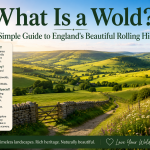
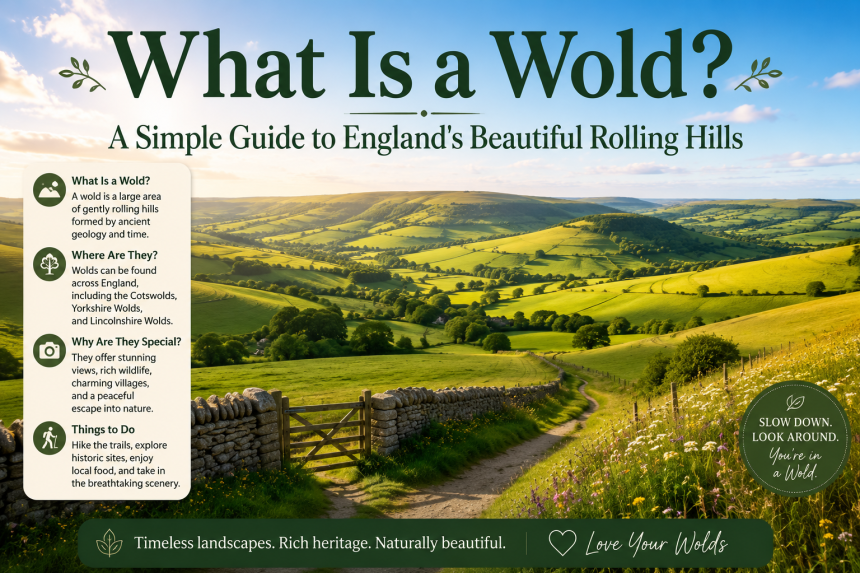
In simple terms, a wold is an area of open, rolling countryside, usually found on higher ground, with few trees and wide, sweeping views. The word is most commonly used in England to describe a stretch of hilly, uncultivated or lightly farmed land.
Unlike a forest, which is covered in trees, or a valley, which sits low between hills, a wold sits up high and is mostly open. Think of grassy hills, gentle slopes, scattered sheep, and long winding roads with few buildings in sight. That peaceful, wide-open feeling is exactly what the word “wold” describes.
Where Does the Word “Wold” Come From?
The word “wold” has a long history that goes back to Old English. It comes from the word “wald,” which originally meant “forest” or “wooded high ground.” Interestingly, over hundreds of years, the meaning slowly changed. As people cleared forests to make space for farming and grazing animals, these wooded hills became open, treeless land. The word stayed the same, but its meaning shifted from “forest” to “open highland.”
This is a great example of how language changes over time, even when the word itself stays almost the same. Today, when someone uses the word “wold,” they are almost always talking about open, rolling countryside rather than a forest.
Famous Wolds You Should Know About
England is home to several well-known wolds, each with its own charm and character. Let’s look at a few of the most famous ones.
1. The Yorkshire Wolds
Located in East Yorkshire, the Yorkshire Wolds are a stunning range of low, chalk hills. They stretch across a peaceful landscape filled with small villages, farmland, and quiet country lanes. The Yorkshire Wolds are less crowded than other tourist spots in England, making them perfect for people who enjoy peaceful walks, cycling, and beautiful countryside views without the crowds.
2. The Lincolnshire Wolds
The Lincolnshire Wolds are another beautiful area of rolling hills, officially recognized as an “Area of Outstanding Natural Beauty.” This wold is known for its gentle slopes, hidden valleys, and charming small towns. It’s a favorite spot for hikers and nature lovers who want to enjoy fresh air and calm scenery away from busy city life.
3. The Cotswolds
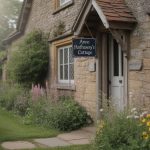
You may have already heard of the Cotswolds, one of the most popular tourist destinations in England. The name itself contains the word “wold.” The Cotswolds are famous for their honey-colored stone cottages, rolling green hills, and picture-perfect villages. Millions of visitors travel here every year to enjoy the charming countryside, and much of that beauty comes from the natural “wold” landscape the region is built upon.
Why Wolds Are Special
You might be wondering why these open, hilly landscapes are so loved by both locals and travelers. Here are a few reasons why wolds hold a special place in the hearts of many people.
1. Peaceful and Quiet Scenery
Unlike busy cities or crowded tourist attractions, wolds offer peace and quiet. The wide-open hills, fresh air, and gentle winds create a calming environment that helps people relax and slow down.
2. Perfect for Walking and Cycling
Because wolds are made up of rolling hills rather than steep mountains, they are ideal for walking, hiking, and cycling. Many trails run through wolds, allowing visitors to enjoy long, scenic routes at a relaxed pace.
3. Rich Farming History
Wolds have been used for farming and sheep grazing for centuries. Walking through a wold today, you can still see this history in the stone walls, old farmhouses, and grazing animals scattered across the hills.
4. Inspiration for Art and Literature
Many writers and poets have been inspired by the beauty of wolds. The open skies, rolling hills, and peaceful silence create a perfect setting for creative thinking. Some famous English poetry and countryside writing has been directly inspired by wold landscapes.
How to Experience a Wold for Yourself
If the idea of visiting a wold sounds appealing, here are some simple tips to make the most of your experience:
1. Go for a countryside walk. Many wolds have marked walking trails that take you through the best parts of the landscape, including hilltop viewpoints and quiet valleys.
2. Visit during spring or summer. The hills are especially beautiful when covered in green grass and wildflowers, making these seasons ideal for visiting.
3. Explore nearby villages. Most wold regions are dotted with small, charming villages worth exploring, offering local food, cozy pubs, and friendly locals.
4. Bring a camera. The wide, open views from the top of a wold make for beautiful photography, especially during sunrise or sunset.
5. Try cycling instead of driving. Since wolds are known for their gentle slopes, cycling is a popular and enjoyable way to see more of the landscape at a relaxed pace.
Wold vs. Other Landscape Words

It can be easy to confuse “wold” with other similar landscape words, so let’s quickly clear up the differences:
- Wold: Open, rolling, high ground with few trees.
- Valley: Low land, usually between hills or mountains.
- Moor: Open land, often wetter and covered in heather, usually at a higher altitude than a wold.
- Forest: Land covered mostly by trees.
Understanding these small differences can help you better picture the landscape when you read about a “wold” in a book, poem, or travel guide.
Why This Word Still Matters Today
Even though “wold” is not a word we use in everyday conversation, it still holds real value today, especially in geography, travel, and local history. Many regions in England proudly use the word “wold” in their names, showing how much this landscape is tied to their identity and history.
For travelers, learning about wolds opens up a new way to explore England beyond its cities. Instead of only visiting London or other busy tourist spots, exploring a wold gives you a chance to experience the quieter, more natural side of the country.
For writers and language lovers, the word “wold” is a wonderful example of how English words can change meaning over time while still connecting us to history.
Final Thoughts
A wold may be a small, simple word, but it represents something much bigger: peaceful hills, quiet countryside, rich history, and centuries of farming tradition. From the Yorkshire Wolds to the world-famous Cotswolds, these landscapes continue to attract visitors who are looking for beauty, calmness, and a break from busy daily life.
So, the next time you come across the word “wold,” you’ll know exactly what it means; a beautiful, open stretch of rolling hills, shaped by nature and history, waiting patiently to be explored.
If you ever get the chance to visit one of England’s wolds, take it. Walk slowly, breathe in the fresh countryside air, and enjoy the simple beauty of these timeless rolling landscapes.