







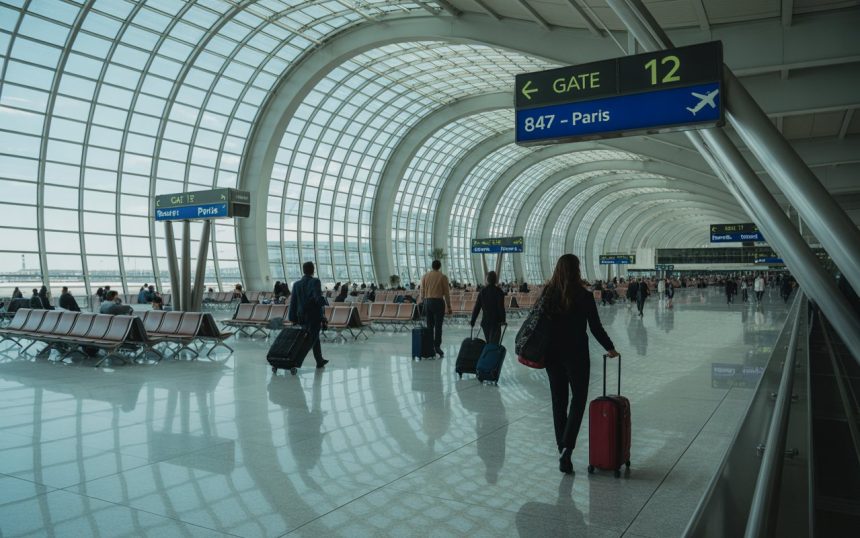
Airports are more than just places where planes take off and land—they are dynamic hubs full of movement, emotion, and stories. Whether you’re heading off on vacation, welcoming someone home, or simply curious about how everything works, airports play a vital role in modern life. Think of an airport like a well-orchestrated city that never sleeps—every part has a purpose, and every moment matters.
In this detailed guide, we’ll explore everything about airports in a simple, engaging way. By the end, you’ll not only understand how they work but also feel more confident the next time you step into one.
What Is an Airport and Why Is It Important?
An airport is a designated area where aircraft take off, land, and receive maintenance. But that’s just the surface. It’s also a place where passengers begin and end their journeys.
Airports connect cities, countries, and continents. Without them, global travel, trade, and tourism would slow down dramatically. Imagine trying to cross oceans or continents without planes—it would take weeks instead of hours.
They also boost local economies by creating jobs and encouraging business growth. From tourism to cargo transport, airports keep the world moving.
The Main Parts of an Airport
Terminal Buildings
The terminal is where most passenger activities happen. This is where you check in, go through security, wait for your flight, and collect luggage when you arrive.
Terminals are often divided into sections for domestic and international flights, making travel more organized.
Runways and Taxiways
Runways are long, straight paths where planes take off and land. Taxiways connect these runways to the terminal area.
You can think of them as highways for airplanes—carefully designed to manage traffic safely.
Control Tower
The control tower is the brain of the airport. Air traffic controllers guide pilots during takeoff, landing, and taxiing.
Without this system, air travel would be chaotic and dangerous.
How Airports Operate Behind the Scenes
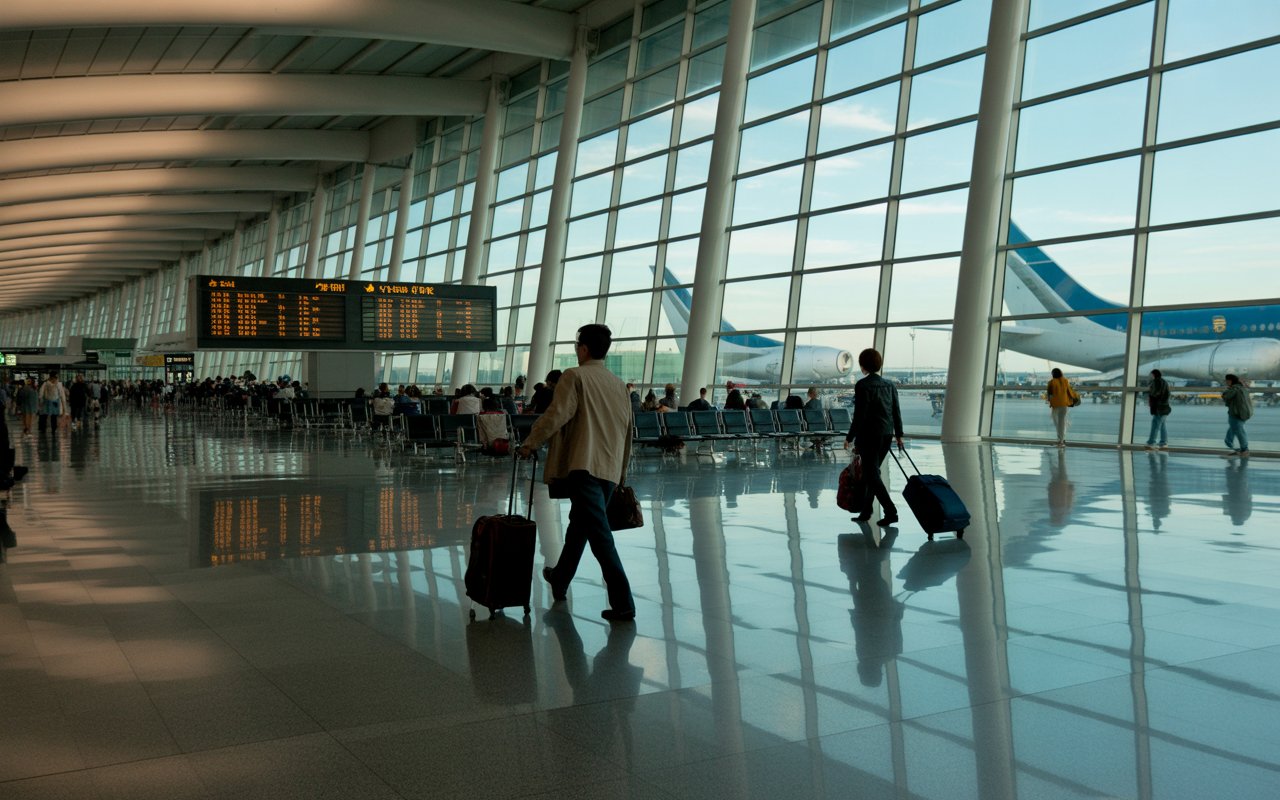
Ever wondered how everything runs so smoothly? Airports rely on careful planning and teamwork.
From scheduling flights to managing luggage systems, everything operates like clockwork. Staff members coordinate closely to ensure flights depart and arrive on time.Rank Math SEOSafety is the top priority at any airport.
There are also ground services like refueling, cleaning, and catering. These tasks happen quickly between flights, often within an hour.
The Passenger Journey Step by Step
Arrival at the Airport
Passengers usually arrive a few hours before departure. This gives you ample time to complete check-in and pass through security without rushing.
Check-In Process
You confirm your booking, drop off luggage, and receive a boarding pass. Many travelers now use online check-in to save time.
Security Screening
This step ensures passenger safety. Bags are scanned, and passengers pass through metal detectors.
It might feel strict, but it’s essential for safe travel.
Boarding the Aircraft
Once your flight is ready, you’ll be called to board. Airlines often use zones to make the process smoother.
Types of Airports Around the World
International Airports
These handle flights between countries and have customs and immigration facilities.
Domestic Airports
They manage flights within a country and usually have simpler procedures.
Regional and Local Airports
Smaller airports serve specific areas and often connect to larger hubs.
Each type plays a role in making travel accessible to everyone.
Airport Security and Safety Measures
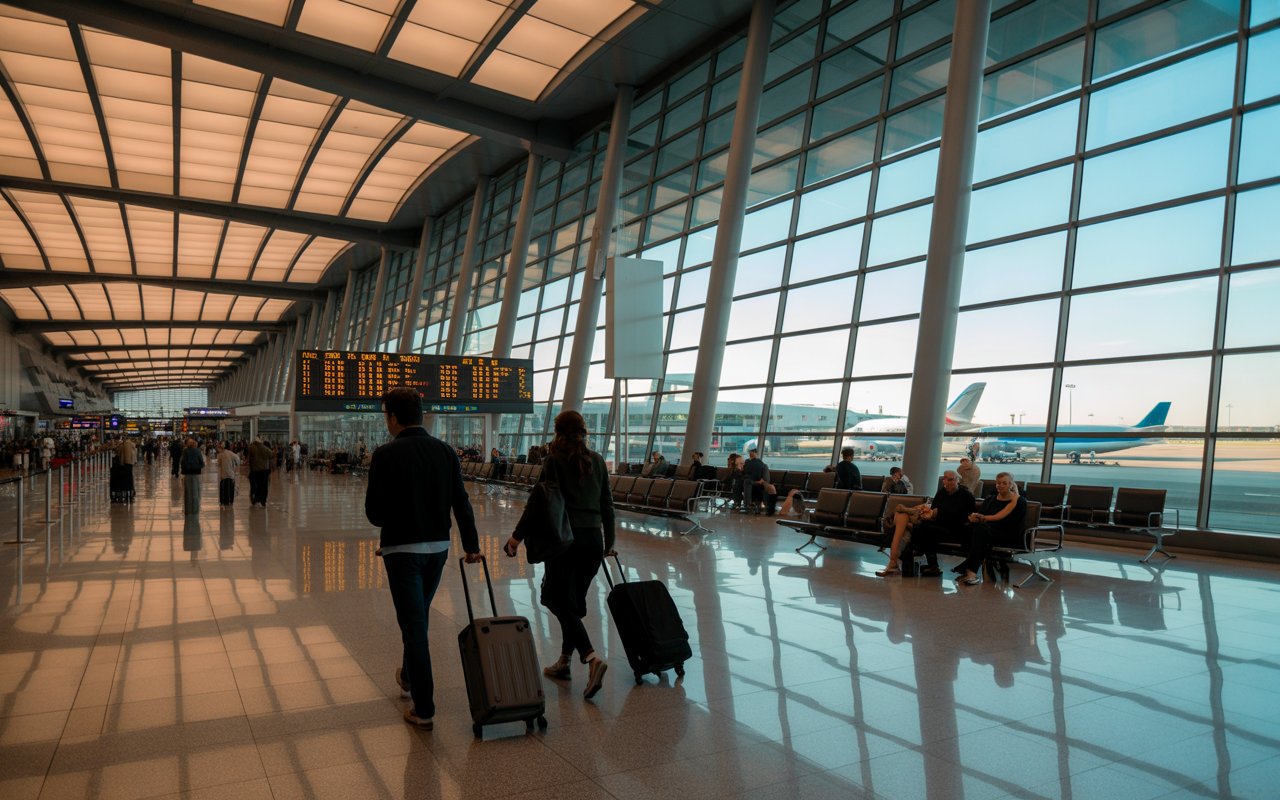
Ensuring passenger safety stands above everything else at every airport. Advanced technology helps detect threats and prevent incidents.
Security personnel are trained to handle various situations, ensuring passengers feel safe throughout their journey.
Airports also have emergency response teams ready to act quickly if needed.
Technology Used in Modern Airports
Airports today are smarter than ever. Technology has transformed the travel experience.
Self-check-in kiosks, biometric scanning, and automated baggage systems make processes faster and more efficient.
Some airports even use artificial intelligence to manage passenger flow and reduce waiting times.
Facilities and Services for Passengers
Airports are designed to keep travelers comfortable.
Food and Shopping
Whether you’re after a light bite or a hearty meal, the options cater to every taste and appetite. Duty-free shops offer products at tax-free prices.
Lounges
Airport lounges provide a quiet space to relax, often with comfortable seating, food, and Wi-Fi.
Accessibility Services
Airports assist passengers with disabilities, ensuring everyone can travel comfortably.
Environmental Impact of Airports
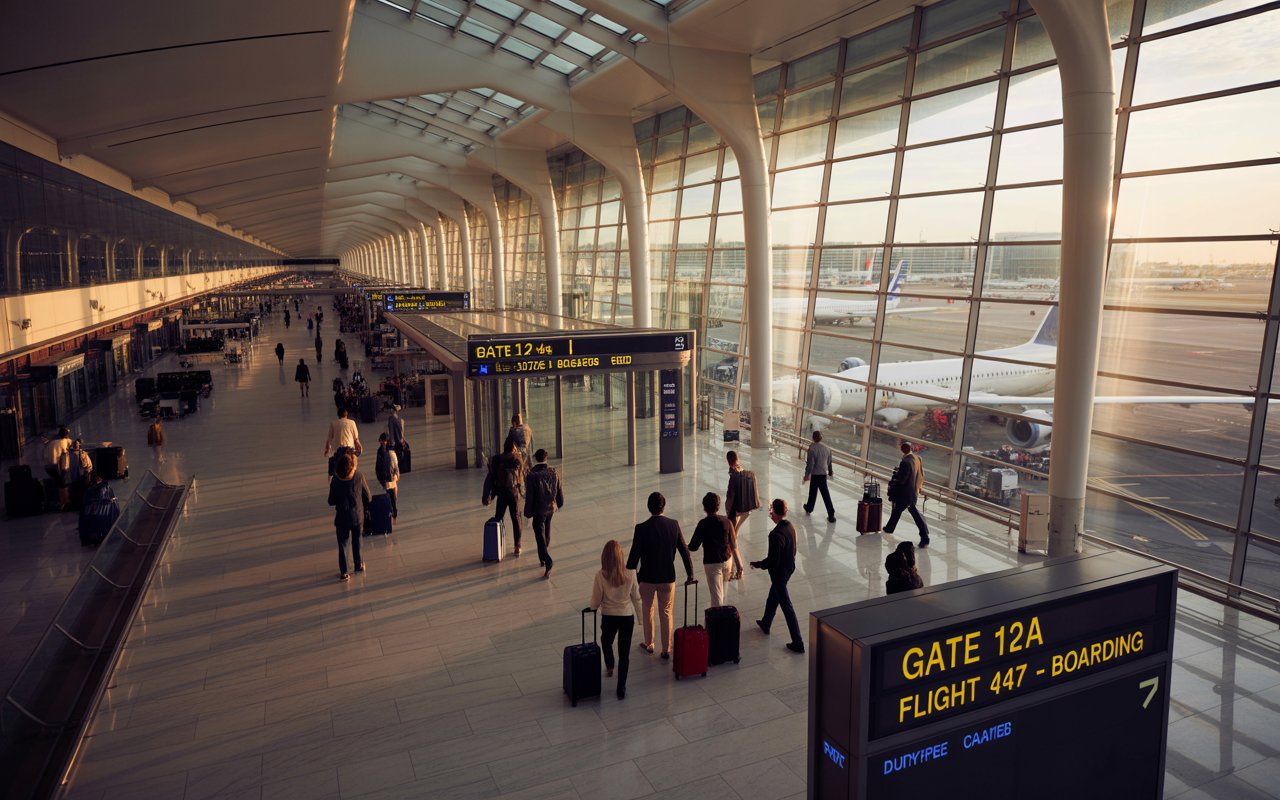
Air travel has an environmental cost, including carbon emissions and noise pollution.
However, airports are taking steps to reduce their impact. Many are adopting renewable energy, improving fuel efficiency, and promoting sustainable practices.
Travelers can also help by choosing eco-friendly options and minimizing waste.
Common Challenges Faced by Airports
Airports deal with several challenges daily.
Flight delays, weather disruptions, and high passenger volumes can create stress for both staff and travelers.
Managing security while maintaining efficiency is another balancing act.
Despite these challenges, airports continue to improve systems to enhance the travel experience.
Tips for a Smooth Airport Experience
Travel doesn’t have to be stressful. A little preparation goes a long way.
Arrive early, keep documents ready, and pack smartly. Following airport rules can save time and avoid unnecessary hassle.
Also, staying calm and patient helps make the journey more enjoyable.
The Future of Airports
Airports are evolving rapidly. The future promises faster, smarter, and more sustainable travel.
We may soon see fully automated check-ins, facial recognition boarding, and even electric aircraft.
Airports will continue to adapt to meet growing demand while improving passenger comfort.
Frequently Asked Questions (FAQs)
1. Why do I need to arrive early at the airport?
Arriving early gives you enough time to complete check-in, security screening, and boarding without stress.
2. What items are not allowed in airport security?
Sharp objects, flammable materials, and certain liquids are restricted for safety reasons.
3. How do airports handle lost luggage?
Airports and airlines track luggage using tags. If lost, passengers can report it, and staff will locate and return it.
4. What is the role of air traffic control?
Air traffic control manages aircraft movement on the ground and in the air to ensure safety and efficiency.
5. Are airports becoming more environmentally friendly?
Yes, many airports are adopting green technologies and practices to reduce their environmental impact.
Conclusion
Airports are much more than transit points—they are gateways to new experiences, cultures, and opportunities. From the moment you enter to the second you board your flight, countless systems and people work together to make your journey smooth and safe.
Next time you visit an airport, take a moment to appreciate the complexity behind it all. It’s not just a place—it’s a carefully coordinated world in motion, connecting lives across the globe.