







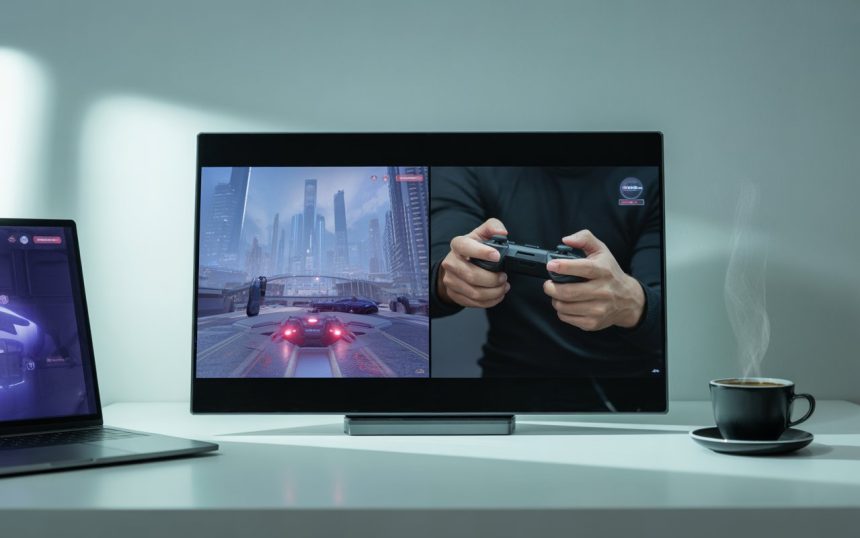
Video games have always been about breaking boundaries, but the latest trend is rewriting the rulebook entirely—DualMedia gaming. This isn’t just a buzzword. It’s a shift in how we experience games, combining two different types of media into a single, immersive adventure. Whether you’re a casual gamer or someone who’s followed the industry for years, understanding how DualMedia works can change the way you think about play.
In this guide, we’ll explore the concept from every angle: what it means, how it works, why it matters, and where it might lead. Think of it as a journey through a brand-new level—only this time, the map is still being drawn.
What Is Gaming DualMedia?
Imagine watching a gripping TV series and suddenly being invited to control the next scene as a playable mission on your console. That’s the heart of Gaming DualMedia—a seamless blend of two distinct forms of entertainment, like television and video games, or film and interactive apps. Instead of separating passive watching from active playing, it merges them into a single, unified story.
It’s like holding a remote in one hand and a game controller in the other, without ever putting either down.
Why the Idea Took Off
Why now? Three big reasons:
-
Technology: Faster internet speeds, cloud gaming, and powerful devices make real-time cross-media experiences possible.
-
Audience Demand: Players and viewers crave deeper stories and more interaction.
-
Industry Growth: Game studios and streaming platforms see collaboration as a way to stand out.
In short, technology caught up with our imaginations.
The Roots: From Old Experiments to Modern Marvels
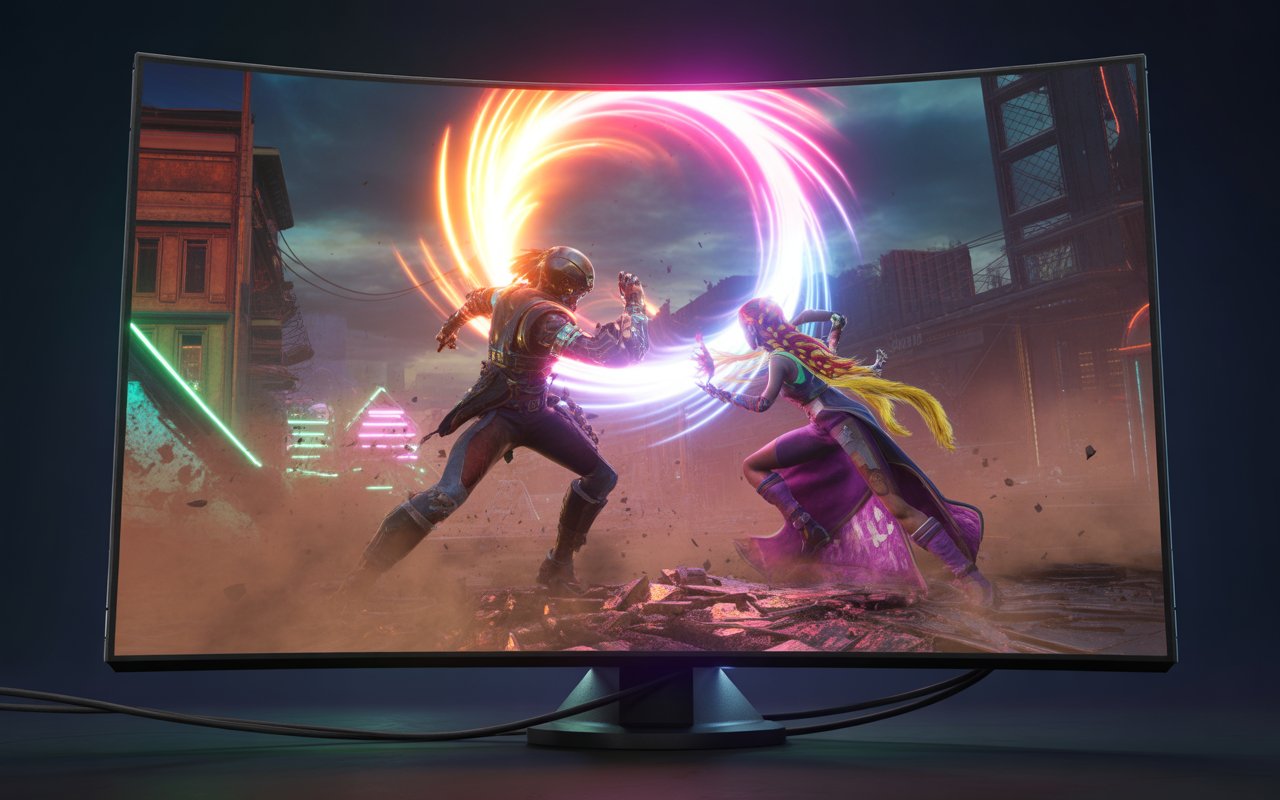
DualMedia might feel futuristic, but its seeds were planted decades ago. Remember DVD extras where you could play a mini-game or choose alternate endings? Those were early attempts at blending formats.
Today, we have full-scale productions. Games tie into blockbuster series, and streaming shows let viewers “vote” on plot twists—only now, those votes can translate into playable quests.
Key Elements of DualMedia Gaming
1. Interactive Storytelling
The narrative is designed to work in both watching and playing modes. Players can pause the story on a TV episode and pick it up in the game world.
2. Cross-Platform Access
A DualMedia project often spans devices—smartphones, consoles, and even smart TVs.
3. Persistent Progress
Your choices in one medium affect the other. Skip a mission in the game, and the next episode might unfold differently.
Popular Examples You Might Know
While the term “DualMedia” is still gaining traction, you may have already experienced it:
-
Streaming + Gaming Tie-Ins: Series that release companion mobile games where choices shape future episodes.
-
Cinematic Games: Titles like Detroit: Become Human or Bandersnatch-style interactive films blur the line between film and play.
-
Augmented Reality Campaigns: Shows that launch AR apps, letting fans hunt for clues in their own neighborhoods.
These examples prove that DualMedia isn’t a distant dream—it’s happening now
Benefits for Players and Viewers

Why should you care? Because DualMedia makes entertainment richer and more personal.
-
Deeper Engagement: Instead of just watching, you participate.
-
Replay Value: Different choices create multiple outcomes across platforms.
-
Community Connection: Fans share theories and strategies, keeping the conversation alive long after credits roll.
It’s like reading a book where every chapter invites you to pick up a paintbrush and change the illustrations.
Challenges Behind the Scenes
Of course, it’s not all smooth sailing.
-
Technical Hurdles: Synchronizing two media formats in real time requires flawless design.
-
Budget and Resources: Producing high-quality content for both TV and gaming is expensive.
-
Audience Education: Not everyone immediately understands how to switch between watching and playing.
Developers must balance creativity with practicality—a tricky quest in itself.
How Creators Make It Work
Studios approach DualMedia projects with meticulous planning:
-
Unified Teams: Writers, game developers, and film producers work side by side.
-
Flexible Scripts: Stories are built to adapt to player choices.
-
Robust Testing: Early access groups help smooth out cross-platform glitches.
It’s a bit like conducting an orchestra where every instrument plays a different genre of music, yet must produce a single harmonious melody.
The Future of DualMedia Gaming
Where is this headed? Expect:
-
Virtual Reality Expansion: Immersive VR could become a natural partner for TV and film narratives.
-
AI-Driven Storytelling: Dynamic plots that adjust instantly to your decisions.
-
Mainstream Adoption: As success stories grow, more studios will invest.
We may one day look back at “plain old games” the way we now view silent films—classics, but just the beginning.
Tips for Players Who Want to Dive In
If you’re ready to explore DualMedia gaming, here’s how to start:
-
Research the Platforms: Check which streaming services or consoles support interactive experiences.
-
Stay Connected: Stable internet is essential for seamless play.
-
Join Communities: Fan forums and Discord groups often share hidden content and tips.
Think of it like preparing for a co-op mission: the better your gear, the better the adventure.
Why It Matters Beyond Gaming
DualMedia isn’t only about fun. It hints at broader cultural shifts:
-
Education: Interactive learning could mix video lessons with game challenges.
-
Marketing: Brands already experiment with storytelling that crosses video and app experiences.
-
Artistic Expression: Creators gain a new canvas to tell stories that can’t fit into a single medium.
It’s entertainment evolving into something bigger—a playground for ideas.
FAQs
1. What exactly is DualMedia in gaming?
It’s the integration of two different media—like television and video games—into a single, interactive experience where actions in one affect the other.
2. Do I need special equipment to enjoy DualMedia projects?
Usually, no. A modern console, smartphone, or smart TV with a strong internet connection is enough.
3. Are there any well-known examples today?
Yes, interactive shows on streaming platforms and games with companion episodes are current examples.
4. Is DualMedia just for entertainment?
Not at all. Education, marketing, and digital art are starting to use similar cross-media approaches.
5. How can I find new DualMedia experiences?
Conclusion
Gaming DualMedia isn’t just a passing fad; it’s a groundbreaking fusion of storytelling and technology that’s redefining how we play and watch.
bridge between two worlds. By blending the passive and the interactive, it gives us control of the story while still letting us sit back and enjoy the ride. Whether you’re a lifelong gamer or a curious newcomer, it offers a fresh way to experience the narratives you love.
The next time you press play or pick up a controller, ask yourself: What if you didn’t have to choose?