







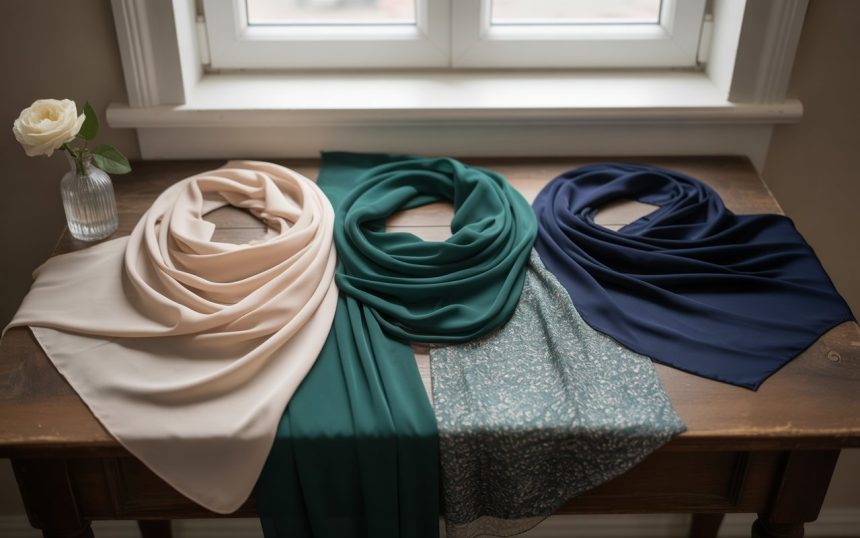
If you’ve ever wondered, “Are there different types of hijabs?” or “How do women around the world wear them differently?”—this guide will walk you through everything you need to know. From traditional wraps to contemporary trends, we’ll explore the variety of hijabs worn across cultures and lifestyles.
The Essence of Hijab
Before diving into the styles, it’s important to understand what the hijab represents. The word hijab itself comes from the Arabic root meaning “to cover” or “to shield.” While many people associate it with the headscarf, hijab is actually broader, referring to the overall concept of modest dressing and behavior.
In practice, however, the headscarf has become the most recognizable symbol of hijab. And like any garment, its form has evolved—shaped by geography, culture, and fashion.
Why So Many Types of Hijabs Exist
Think of hijab styles like accents in a language. Just as people in different regions speak differently, women in different countries wear the hijab in distinct ways. Factors such as climate, culture, tradition, and even fashion trends play a huge role in how hijabs are styled.
For example, in hot countries, lighter fabrics and breathable wraps are common, while in colder climates, thicker hijabs and layered styles are more practical. Over time, these preferences evolved into recognizable types that are now worn worldwide.
Classic Headscarf (The Traditional Hijab)
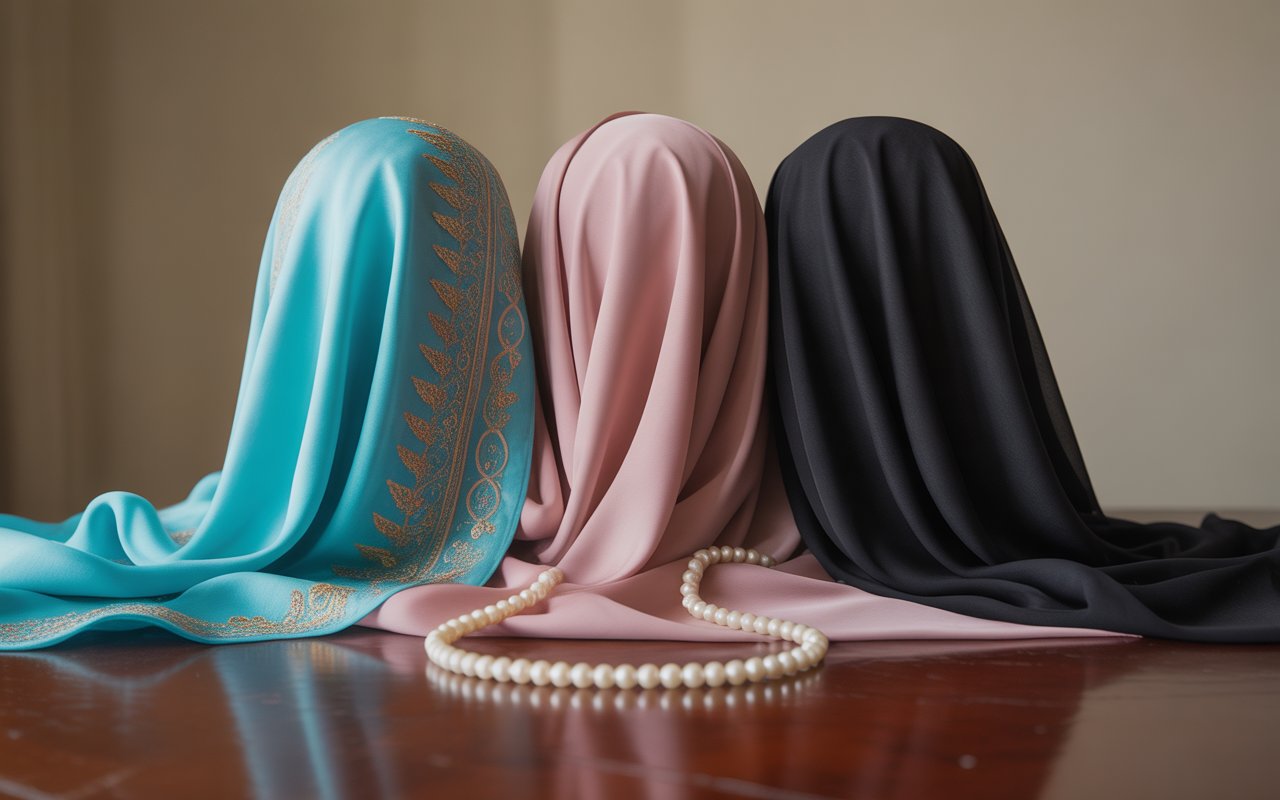
This is the most widely recognized style: a rectangular or square piece of cloth wrapped around the head and neck, covering the hair but leaving the face visible.
-
Material: Cotton, chiffon, silk, or jersey.
-
Styling: Folded into a triangle and tied under the chin, or wrapped and pinned neatly around the head.
-
Occasions: Everyday wear, work, or casual outings.
It’s simple, versatile, and can be styled differently depending on personal taste. Many women use decorative pins or brooches to add personality to the look.
Shayla
The shayla is a sleek, rectangular scarf that’s especially favored in Gulf countries for its elegant and versatile style. Unlike the traditional hijab, which is often secured under the chin, the shayla is wrapped loosely around the head and draped over the shoulders.
-
Best For: Women who prefer a more relaxed, flowing look.
-
Styling Options: Can be wrapped tightly for modesty or left loose for elegance.
-
Fashion Tip: Lightweight fabrics like chiffon give the shayla its graceful drape.
This style allows for both modesty and sophistication, making it common in professional settings and social gatherings.
Khimar
The khimar covers not just the head, but also the chest and shoulders, providing fuller coverage.
-
Shape: Cape-like garment that drapes over the body.
-
Coverage: Extends to the mid-back and mid-torso.
-
Occasions: Religious gatherings, prayer, or times when extra modesty is desired.
Many women find the khimar practical because it doesn’t require constant adjusting. It’s slipped on easily and stays in place, which makes it especially popular for busy routines.
Al-Amira
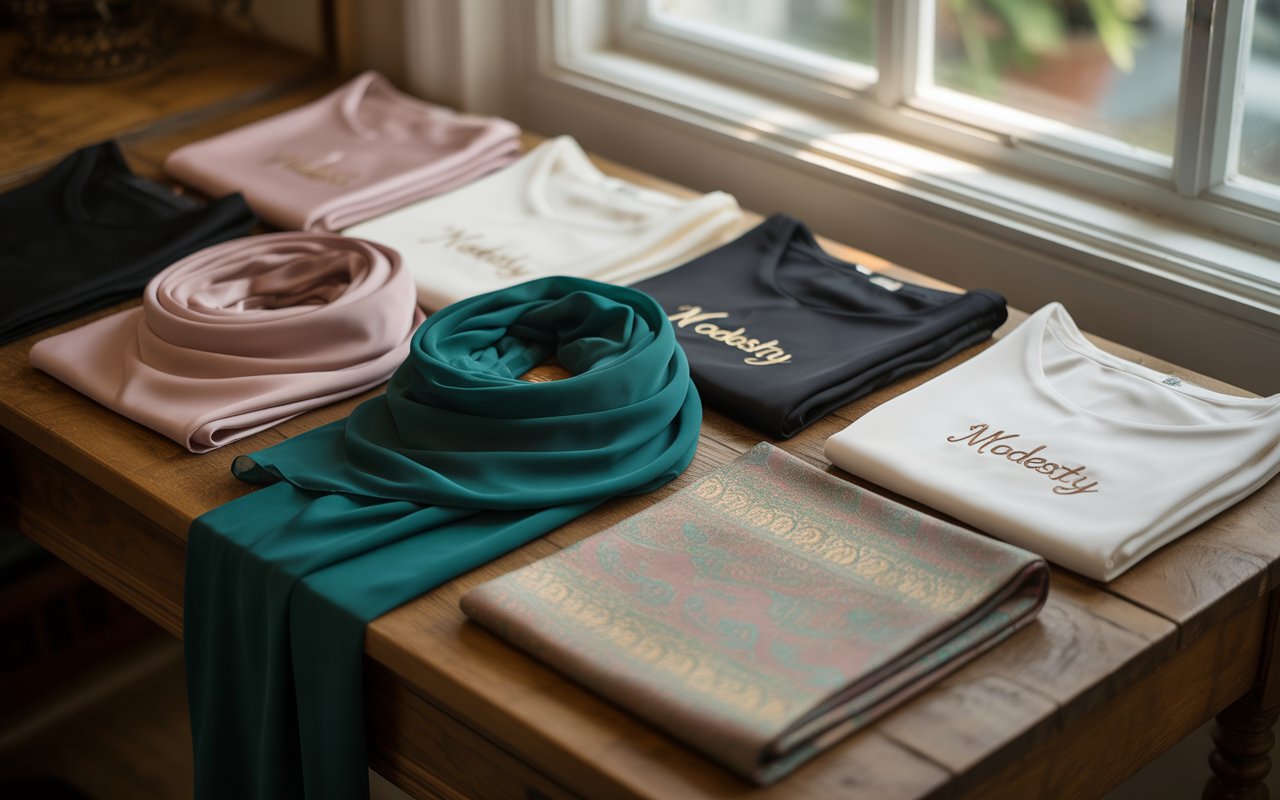
The Al-Amira is one of the easiest hijab styles for beginners. It comes in two pieces:
-
A fitted cap or under-scarf.
-
A tube-like scarf that slips over the head.
-
Pros: No pins or complicated wrapping needed.
-
Best For: School, sports, or casual daily wear.
-
Fabric: Usually made of stretchy cotton for comfort.
It’s no wonder this style is a favorite among students and athletes—it combines modesty with convenience.
Niqab
The niqab extends past covering the hair, concealing the face as well and revealing only the eyes.
-
Varieties include the half niqab, which covers the lower part of the face, and the full niqab, which leaves only the eyes uncovered.
-
Cultural Significance: More common in Saudi Arabia, Yemen, and parts of South Asia.
-
Perception: While sometimes misunderstood in the West, for many women it’s a deeply personal and spiritual choice.
The niqab is often paired with an abaya or jilbab for complete modesty.
Chador
The chador is a full-body cloak, traditionally worn in Iran.
-
Appearance: A semicircular piece of fabric that drapes from head to toe.
-
How It’s Worn: Held closed at the front (without buttons or pins).
-
Function: Provides maximum coverage while still allowing free movement.
Although it is primarily associated with Iranian culture, the chador has also influenced modest fashion in surrounding regions.
Turkish-Style Hijab
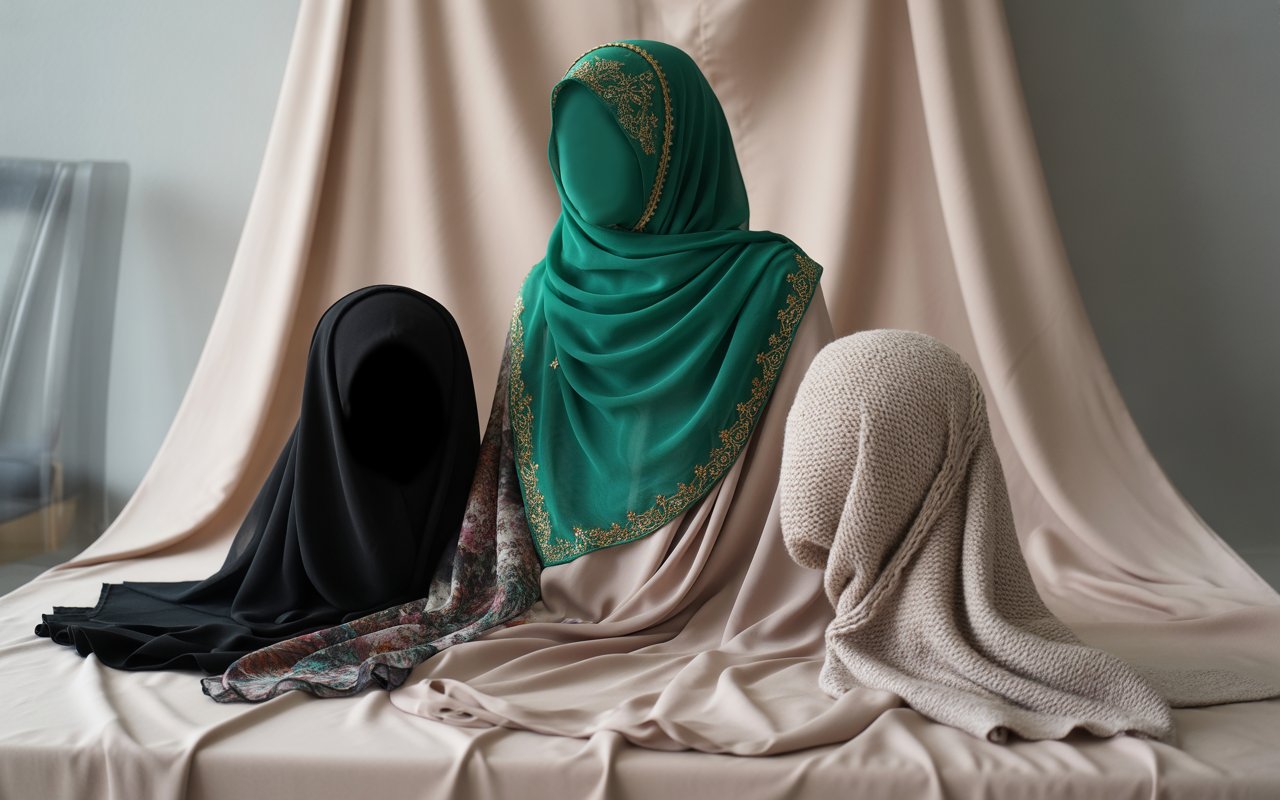
If you’ve seen glossy photos of perfectly ironed, silky scarves with neat folds—chances are, that’s the Turkish hijab style.
-
Material: Satin or silk, often with vibrant prints.
-
Styling: Carefully folded into sharp angles and pinned tightly under the chin.
-
Occasions: Weddings, formal events, and professional settings.
The Turkish hijab is both fashionable and modest, making it a bridge between tradition and modern elegance.
Pashmina Hijab
Pashmina scarves, originally from Kashmir, have become popular hijabs due to their soft texture and warmth.
-
Best For: Colder climates or winter wear.
-
Styling: Can be wrapped snugly for warmth or draped loosely for style.
-
Colors & Patterns: Widely available in both solid colors and intricate designs.
Wearing a pashmina hijab feels like wrapping yourself in comfort—practical yet stylish.
Sports Hijab
In recent years, athletic hijabs have transformed sports for Muslim women. Companies like Nike and Adidas now produce breathable, stretchable hijabs designed for physical activity.
-
Features: Sweat-wicking material, secure fit, easy to pull on and off.
-
Best For: Running, swimming, or team sports.
-
Impact: Empowered Muslim women to participate more freely in professional sports.
It serves as proof that modesty and mobility can exist seamlessly together.
Modern Trends: Fashion Meets Faith
Today, hijabs are no longer limited to plain fabrics or traditional wraps. Fashion influencers and designers are experimenting with colors, textures, and styles to make hijabs more versatile.
-
Layered Hijabs: Combining two scarves for a unique contrast.
-
Printed Hijabs: Floral, geometric, or abstract designs.
-
Cap Hijabs: Attached caps with built-in wraps for quick wear.
This blend of tradition and fashion allows women to express both their faith and personality without compromise.
Choosing the Right Hijab for You
With so many types available, how do you choose? Consider these factors:
-
Climate: Light fabrics for summer, thicker for winter.
-
Comfort: Styles like Al-Amira are ideal if you’re new to wearing hijab.
-
Occasion: A silky Turkish hijab might suit a wedding, while a khimar is perfect for prayer.
-
Personal Style: Your hijab can reflect your personality just like any other piece of clothing.
Ultimately, the best hijab is the one that makes you feel comfortable, confident, and authentic.
FAQs About Types of Hijabs
1. How does a hijab differ from a khimar?
A hijab typically refers to a headscarf covering the hair and neck, while a khimar is a longer cape-like garment that extends over the chest and shoulders.
2. Do all Muslim women wear the same type of hijab?
No, styles vary by culture, region, and personal preference. Some women prefer simple wraps, while others wear full-body coverings like the chador or niqab.
3. Can hijabs be fashionable while still modest?
Yes, many women choose hijabs in colorful prints, layered styles, or trendy fabrics to balance fashion with modesty.
4. Is the niqab the same as the burqa?
Not exactly. The niqab conceals the face while keeping the eyes visible, whereas the burqa covers the whole face with a mesh panel over the eyes.
5. What’s the easiest hijab style for beginners?
The Al-Amira style is often considered the easiest because it slips on without needing pins or complex wrapping.
Conclusion
The hijab is more than just a piece of fabric—it’s a symbol, a choice, and a form of self-expression. From the classic headscarf to modern sports designs, each style tells a story of culture, faith, and individuality. Whether worn for religious devotion, cultural identity, or personal fashion, the hijab continues to evolve while remaining rooted in tradition.