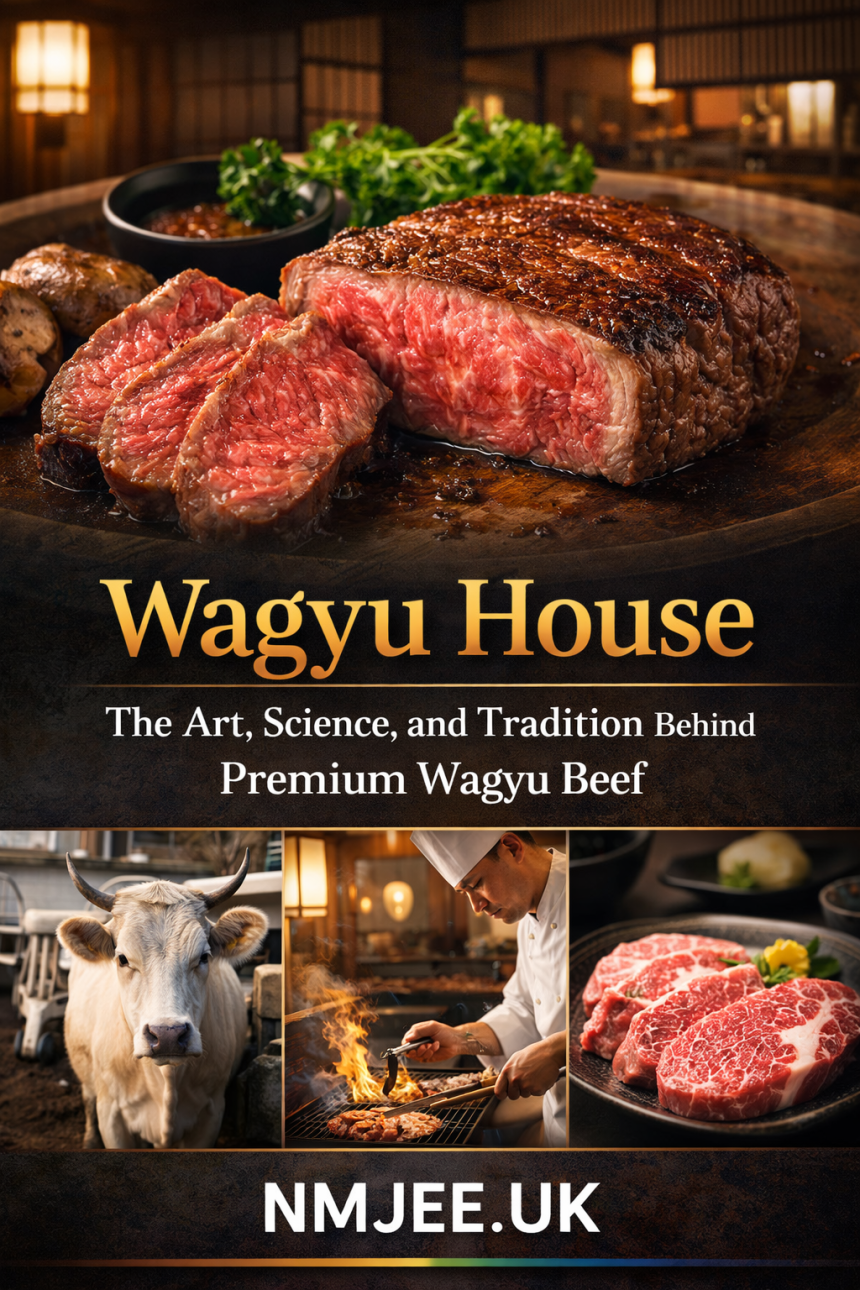
In a world where steakhouses compete on portion sizes and bold flavors, there is something quietly extraordinary about dining at Wagyu House. It is not simply about serving beef. It is about presenting a culinary philosophy shaped by centuries of Japanese tradition, modern food science, and a deep respect for craftsmanship. To understand what makes Wagyu House special, you have to look beyond the plate and into the story of Wagyu itself—its heritage, its meticulous production, and the almost reverent approach to preparation that defines the experience.
Premium Wagyu beef is not an accident of nature. It is the result of intentional breeding, disciplined farming practices, and an unwavering focus on quality. At establishments like Wagyu House, the journey from pasture to plate is honored in every detail, from sourcing to service. What diners encounter is not just a meal but a carefully curated experience rooted in art, science, and tradition.
The Meaning of Wagyu: More Than Just a Label
The term “Wagyu” literally translates to “Japanese cow.” However, its significance runs far deeper than geography. Wagyu refers to specific Japanese cattle breeds that have been selectively raised for generations to develop extraordinary marbling—the fine, web-like intramuscular fat that gives the beef its signature tenderness and flavor.
Among the most celebrated types is Kobe beef, which comes from the Tajima strain of Japanese Black cattle raised in Japan’s Hyogo Prefecture. Kobe is only one subset of Wagyu, but its global reputation has elevated Wagyu to an almost mythical status. The hallmark of true Wagyu is its delicate marbling, which melts at a lower temperature than typical beef fat, creating a buttery texture that dissolves on the palate.
At
Wagyu House, the emphasis is not on hype but on authenticity. The restaurant’s commitment lies in sourcing beef that meets rigorous grading standards, ensuring that diners experience the genuine qualities that distinguish Wagyu from conventional steaks.
The Science of Marbling: Why Wagyu Tastes Different
The extraordinary taste of Wagyu beef is deeply connected to science. Unlike conventional cattle breeds, Wagyu cattle have a unique genetic predisposition for storing fat within muscle tissue. This intramuscular fat distribution creates the intricate marbling pattern that defines high-grade Wagyu.
In Japan, beef quality is assessed using a grading system established by the Japanese Meat Grading Association. The highest grades, such as A5, indicate superior yield and exceptional marbling. These ratings are not arbitrary; they are based on precise evaluations of fat distribution, meat color, texture, and overall quality.
What makes this marbling remarkable is not just its appearance but its chemistry. Wagyu fat contains a higher proportion of monounsaturated fatty acids compared to other beef varieties. This composition contributes to a lower melting point, which is why Wagyu seems to dissolve in your mouth. The experience is rich yet surprisingly delicate, offering a flavor that is deep without being overpowering.
Wagyu House embraces this science by handling the meat with care, ensuring that the marbling remains intact during storage and preparation. The kitchen’s approach is rooted in an understanding that overcooking or improper handling can compromise the very qualities that make Wagyu exceptional.
Tradition and Heritage: Centuries in the Making

The history of Wagyu cattle stretches back hundreds of years in Japan. Originally used as draft animals in agriculture, these cattle developed strong endurance and, over time, unique muscle compositions. Selective breeding intensified traits associated with tenderness and marbling.
The philosophy behind Wagyu production is deeply intertwined with Japanese cultural values of patience, discipline, and respect for nature. Farmers often raise cattle in controlled environments, providing carefully balanced diets and minimizing stress. While some popular myths exaggerate the practices—such as cattle receiving daily massages or listening to classical music—the reality is still rooted in attentive, humane care.
Restaurants like
Wagyu House carry this heritage forward by honoring the origins of the beef they serve. The ambiance, service style, and even plating techniques often reflect a subtle nod to Japanese culinary traditions. It is not simply about replicating a steakhouse model but about creating a dining environment that respects the lineage of the ingredient.
The Art of Preparation: Simplicity as Mastery
Cooking Wagyu is an art of restraint. Because of its intense marbling and delicate structure, Wagyu requires less aggressive seasoning and shorter cooking times than traditional beef. Overcomplicating the dish can overshadow its natural flavor.
At Wagyu House, chefs understand that the role of heat is to enhance, not dominate. A precise sear, often on high heat for a short duration, allows the fat to render just enough to release aroma and richness while preserving tenderness. Some cuts are served in smaller portions than typical Western steaks, reflecting the richness of the meat and encouraging mindful appreciation rather than indulgence.
Presentation also plays a crucial role. The plating is often minimalistic, drawing attention to the intricate marbling patterns that resemble fine art. This visual impact prepares diners for the sensory experience ahead, reinforcing the idea that Wagyu is as much about aesthetics as it is about flavor.
The Experience Beyond the Steak

What sets Wagyu House apart is not just the beef but the holistic experience surrounding it. Dining becomes a ritual. From the moment guests enter, there is a sense of intentional design. Lighting, décor, and table settings are curated to create intimacy and focus.
Service at premium Wagyu restaurants tends to be attentive without being intrusive. Staff members are often knowledgeable about the origins of each cut, the grading system, and recommended cooking temperatures. This educational element enhances appreciation. When diners understand why Wagyu is priced higher and what distinguishes one grade from another, the meal feels more meaningful.
Wine pairings and beverage selections are also thoughtfully chosen. Because Wagyu is rich, pairing it with balanced wines or light, refreshing drinks helps cleanse the palate and elevate the overall dining experience.
Quality Over Quantity: A Different Philosophy of Dining
One of the defining characteristics of Wagyu House is its emphasis on quality rather than portion size. Wagyu is inherently rich, and its flavor intensity means that smaller servings can be more satisfying than larger cuts of standard beef.
This approach challenges the traditional steakhouse mindset, where abundance often equates to value. At Wagyu House, value is defined by craftsmanship, sourcing, and sensory excellence. The goal is not to leave diners overwhelmed but to leave them impressed.
Such an approach reflects a broader culinary trend that prioritizes sustainable sourcing and mindful consumption. By focusing on premium cuts and controlled portions, Wagyu House aligns itself with a philosophy that respects both the ingredient and the diner.
Sustainability and Ethical Considerations
Premium Wagyu production often involves smaller-scale farming practices compared to mass-market beef operations. While not immune to broader environmental debates surrounding cattle farming, Wagyu producers typically emphasize careful herd management and traceability.
Restaurants like Wagyu House often highlight the provenance of their beef, ensuring transparency in sourcing. Knowing where the beef comes from and how it was raised adds another layer of authenticity to the dining experience.
Ethical considerations also extend to minimizing waste. Because Wagyu is a high-value product, kitchens tend to utilize cuts thoughtfully, incorporating trimmings into other dishes or specials rather than discarding them.
The Global Rise of Wagyu
While Wagyu originated in Japan, its appeal has become global. Countries such as Australia and the United States now produce Wagyu or Wagyu-cross beef, adapting traditional breeding techniques to different climates and agricultural systems.
However, not all Wagyu is created equal. Authentic Japanese Wagyu remains subject to strict export regulations and grading systems. Wagyu House distinguishes itself by being transparent about whether its offerings are imported Japanese Wagyu or high-quality domestic Wagyu variants. This clarity builds trust with discerning diners who seek authenticity.
The global fascination with Wagyu reflects a broader appreciation for premium, carefully crafted food experiences. In an era of fast dining and convenience culture, Wagyu represents patience and precision.
Why Wagyu House Feels Special
What ultimately makes Wagyu House special is the combination of elements working in harmony. It is the science of marbling meeting the art of cooking. It is centuries-old tradition presented in a modern setting. It is the balance between indulgence and refinement.
Diners leave not just with the memory of a tender steak but with a deeper understanding of what makes Wagyu extraordinary. The experience lingers,
from the first glance at the marbled cut to the final bite that melts effortlessly.
In many ways, Wagyu House serves as a reminder that exceptional food is rarely accidental. It is the product of dedication across generations—farmers refining breeding practices, grading associations establishing standards, chefs mastering technique, and restaurateurs crafting environments that honor it all.
A Culinary Philosophy Rooted in Respect
At its core, Wagyu House embodies respect—respect for tradition, for science, for craftsmanship, and for the diner. In a marketplace crowded with trends and gimmicks, such authenticity stands out.
Premium Wagyu is not meant to be rushed or taken for granted. It invites slow enjoyment and thoughtful appreciation. By blending art, science, and heritage, Wagyu House transforms a simple act of eating into a refined, almost ceremonial experience.
For those seeking more than just a steak, but rather a story told through flavor and texture, Wagyu House offers something rare. It offers an encounter with one of the world’s most celebrated culinary treasures, presented with care and intention. And that is what truly makes it special.