





Introduction
When it comes to our health, even small daily choices—like the toothpaste we use—can make a big difference. For decades, most of us have reached for toothpaste with fluoride, often without thinking twice. But in recent years, more and more people are asking: Do I really need fluoride in my toothpaste?
Toothpaste without fluoride has become a popular alternative for those seeking a more natural approach to oral care. Whether it’s due to personal health concerns, environmental awareness, or simply curiosity, many are exploring fluoride-free options. Think of it like switching from fast food to home-cooked meals—you’re still eating, but you’re choosing ingredients you feel more comfortable with.
In this article, we’ll explore the benefits of fluoride-free toothpaste, why some people prefer it, what natural alternatives are available, and how to make the best choice for your smile. By the end, you’ll have a clear, practical understanding to decide if a fluoride-free toothpaste is right for you.
Why Do People Consider Toothpaste Without Fluoride?
Fluoride has long been recommended by dentists because it helps strengthen enamel and prevent cavities. However, some individuals prefer to avoid it for reasons such as:
-
Health concerns: Worries about potential overexposure, especially for children.
-
Natural lifestyle choices: Desire to avoid synthetic chemicals.
-
Sensitivity: Some experience irritation or discomfort with fluoride toothpaste.
-
Environmental reasons: Concerns about fluoride entering water systems.
It’s not about fearmongering—it’s about personal choice. People are becoming more mindful about what goes into their bodies, even with everyday products like toothpaste.
Understanding Fluoride: The Basics
Before we dive into alternatives, let’s quickly look at what fluoride does.
-
Strengthens teeth: Fluoride helps remineralize enamel, making it more resistant to acid attacks.
-
Cavity prevention: It reduces the risk of tooth decay.
-
Widespread use: Found in most commercial toothpastes and even public water supplies in many countries.
The debate isn’t whether fluoride works—it’s whether everyone needs it in their daily routine.
Benefits of Using Fluoride-Free Toothpaste
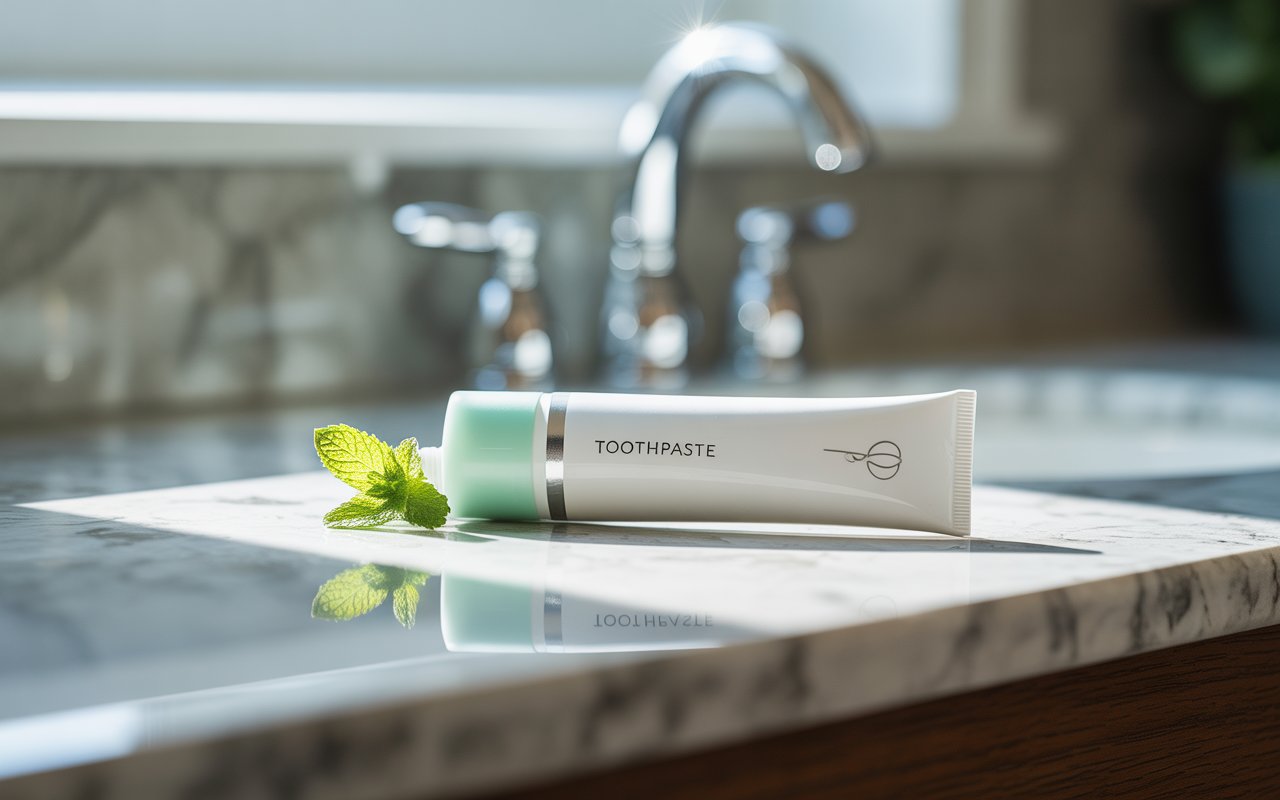
Switching to a fluoride-free option doesn’t mean neglecting dental health. Instead, it offers several unique benefits.
1. Safer for Young Children
Kids often swallow toothpaste while brushing. A fluoride-free version eliminates concerns about them ingesting too much.
2. Gentle on Sensitive Mouths
Some people experience irritation from fluoride or other additives. Going fluoride-free can reduce discomfort.
3. More Natural Ingredients
Fluoride-free toothpaste often uses plant-based or mineral ingredients, aligning with a cleaner lifestyle.
4. Environmentally Friendly
By reducing fluoride runoff, you’re lowering the chemical load that ends up in water systems.
5. Encourages Better Habits
Without relying on fluoride, people tend to pay closer attention to brushing technique, diet, and flossing.
Common Ingredients Found in Fluoride-Free Toothpaste
So, what takes fluoride’s place? Many natural ingredients serve to clean, freshen, and protect teeth.
-
Baking Soda: Natural whitening and cleaning power.
-
Charcoal: Helps remove stains and toxins.
-
Coconut Oil: Antibacterial and soothing.
-
Xylitol: A natural sweetener that reduces cavity-causing bacteria.
-
Herbs (Neem, Clove, Peppermint): Traditional remedies with antibacterial properties.
-
Calcium Carbonate: A mild abrasive that gently polishes teeth.
Each brand may combine these differently, so it’s worth reading labels carefully.
Is Fluoride-Free Toothpaste Effective for Preventing Cavities?
This is the million-dollar question. While fluoride is proven to fight cavities, fluoride-free toothpaste can still be effective if you maintain good oral hygiene habits.
Think of it like driving a car without GPS—you can still reach your destination, but you’ll need to be extra mindful about directions. Similarly, with fluoride-free toothpaste, you need to focus on:
-
Brushing at least twice daily
-
Flossing consistently
-
Eating a balanced diet low in sugar
-
Visiting the dentist regularly
For many, this combination works just as well as fluoride toothpaste.
Who Should Use Toothpaste Without Fluoride?
Not everyone may benefit equally from making the switch. Fluoride-free options are especially suitable for:
-
Young children learning to brush
-
Adults with sensitivities or allergies
-
People following natural or holistic lifestyles
-
Anyone concerned about environmental impacts
However, individuals at high risk for cavities (like those with frequent sugar intake or weak enamel) may still benefit from fluoride-based products.
Comparing Fluoride and Fluoride-Free Toothpaste
Let’s break it down side by side to see how the two options really stack up.
| Feature | With Fluoride | Without Fluoride |
|---|---|---|
| Cavity Protection | Strong, clinically proven | Depends on habits and diet |
| Safety for Kids | Risk of over-ingestion | Safe if swallowed |
| Natural Ingredients | Usually fewer | Often plant/mineral based |
| Environmental Impact | Fluoride runoff into water systems | Generally more eco-friendly |
Both types have their place—it all comes down to personal needs and preferences.
Tips for Choosing the Best Fluoride-Free Toothpaste
When shopping for a fluoride-free toothpaste, consider these points:
-
Check the ingredients list: Look for natural abrasives, antibacterial agents, and safe sweeteners.
-
Read labels carefully: Some brands market as “natural” but still use synthetic ingredients.
-
Consider your dental needs: Do you want whitening, sensitivity relief, or simply fresh breath?
-
Look for certifications: ADA approval, organic labels, or cruelty-free seals can guide choices.
How to Maintain Strong Teeth Without Fluoride
Good dental health is about more than just toothpaste. If you’re skipping fluoride, focus on:
-
Eating calcium-rich foods (dairy, leafy greens, almonds)
-
Limiting sugar and acidic drinks
-
Drinking plenty of water
-
Practicing oil pulling or natural rinses (like saltwater)
-
Visiting your dentist for regular cleanings
Think of your teeth like a garden—if you don’t use one type of fertilizer, you’ll need to nourish it with other methods.
Popular Brands Offering Fluoride-Free Toothpaste
Several trusted brands now offer quality fluoride-free options:
-
Tom’s of Maine – Widely available, natural formulas
-
Hello – Trendy, eco-conscious products
-
Dr. Bronner’s – Celebrated for its organic blends and commitment to fair-trade, eco-friendly practices.
-
Himalaya – Herbal toothpaste inspired by traditional remedies
-
Jason Natural – Gentle blends with botanical extracts
These brands prove that fluoride-free doesn’t mean less effective—it just means different.
Misconceptions About Fluoride-Free Toothpaste
Let’s clear up a few myths:
-
“It doesn’t clean teeth.” False—abrasives and natural ingredients do the job.
-
“It’s only for hippies.” Not true—families, professionals, and even dentists use it.
-
“It causes cavities.” Not necessarily—poor habits cause cavities, not the absence of fluoride.
FAQs
1. Is fluoride-free toothpaste safe for kids?
Yes, it’s often recommended because young children tend to swallow toothpaste, and fluoride-free formulas eliminate the risk of over-ingestion.
2. Can fluoride-free toothpaste prevent cavities?
Yes, but only with consistent oral hygiene practices, including proper brushing, flossing, and a balanced diet.
3. Are natural ingredients like charcoal and baking soda safe for teeth?
In moderation, yes. However, abrasive ingredients should be used carefully to avoid enamel wear.
4. Should I consult my dentist before switching?
Absolutely. Your dentist can help assess your risk level for cavities and guide you toward the best choice.
5. Do fluoride-free toothpastes taste different?
Many use natural flavors like mint, cinnamon, or clove. They may taste less “chemical” than traditional options, which some people prefer.
Conclusion
Toothpaste without fluoride isn’t just a trend—it’s a conscious choice for many who want safer, more natural, or environmentally friendly oral care. While fluoride has its well-established benefits, going fluoride-free can still support strong, healthy teeth if paired with good habits.
In the end, the choice depends on what feels right for your routine, your health priorities, and the way you want to care for your smile. Just like choosing between hiking boots or running shoes, both can get you where you want to go—you just need to pick the one that fits your journey best.