Unlocking Calm: An Engaging Guide to Diaphragmatic Breathing with Audio Scripts
SHARE
Have you ever felt overwhelmed by stress or anxiety, wishing for a simple way to calm your mind and body? Imagine if there was a natural, easy-to-learn tool right inside you that could help you relax anytime, anywhere. Welcome to the world of diaphragmatic breathing, a powerful breathing technbeing.
In this article, we’ll explore everything about diaphragmatic breathing—from what it is and why it matters, to how you can practice it effectively with the help of audio scripts. Whether you’re new to breathing exercises or looking to deepen your practice, this guide will walk you through the journey in a friendly and straightforward way.ique that can transform your well-
What Is Diaphragmatic Breathing?
Diaphragmaticbreathing, often called “belly breathing,” is a technique that encourages deep, full breaths by engaging the diaphragm—the large muscle at the base of your lungs. Unlike shallow chest breathing, which many of us do unconsciously, this method allows air to fill the lower lungs, promoting better oxygen flow.
Picture your diaphragm as a soft, flexible umbrella tucked beneath your lungs, gently expanding and contracting with each breath to guide air smoothly in and out. When you breathe in deeply, this parachute flattens and pulls air down, and when you breathe out, it returns to its dome shape, pushing air out. This action helps calm the nervous system and supports physical relaxation.
Why Should You Care About Breathing Properly?
You might be thinking, “I breathe all day long—why should I change how I do it?” The truth is, many of us develop shallow breathing habits without realizing it, especially during stress. Shallow breaths don’t provide enough oxygen and can actually increase feelings of tension.
Deep, diaphragmatic breathing helps reduce stress hormones, lowers heart rate, and improves focus. It’s like giving your nervous system a gentle reboot, bringing everything back to calm and balance. If stress were a storm, diaphragmatic breathing would be the calm eye in the middle—quiet, steady, and reassuring.
How Does Diaphragmatic Breathing Work?
audio script for diaphragmatic breathing
When you breathe deeply using your diaphragm:
Your lungs expand more fully.
Oxygen delivery to your bloodstream increases.
Carbon dioxide is efficiently expelled.
The parasympathetic nervous system activates, promoting relaxation.
Imagine your body as a finely tuned orchestra. Diaphragmatic breathing acts as the conductor, bringing harmony between your mind, heart, and muscles.
The Benefits of Diaphragmatic Breathing
Practicing this breathing style can bring a wide range of benefits, such as:
Reduced anxiety and stress
Lowered blood pressure
Improved digestion
Enhanced sleep quality
Better emotional regulation
Increased lung capacity and endurance
People from all walks of life, from athletes to office workers, can tap into these benefits to boost their overall health.
Common Misconceptions About Breathing Techniques
It’s easy to assume breathing is simple and doesn’t require practice. But many believe diaphragmatic breathing is only for yoga or meditation experts. That’s simply not true. It’s accessible to everyone.
Another myth is that deep breathing can cause dizziness or discomfort. While this can happen if done too quickly, slow, mindful practice usually brings comfort and ease.
How to Get Started with Diaphragmatic Breathing
audio script for diaphragmatic breathing
Starting is easier than you think. Here’s a simple step-by-step approach:
Find a comfortable, quiet place.
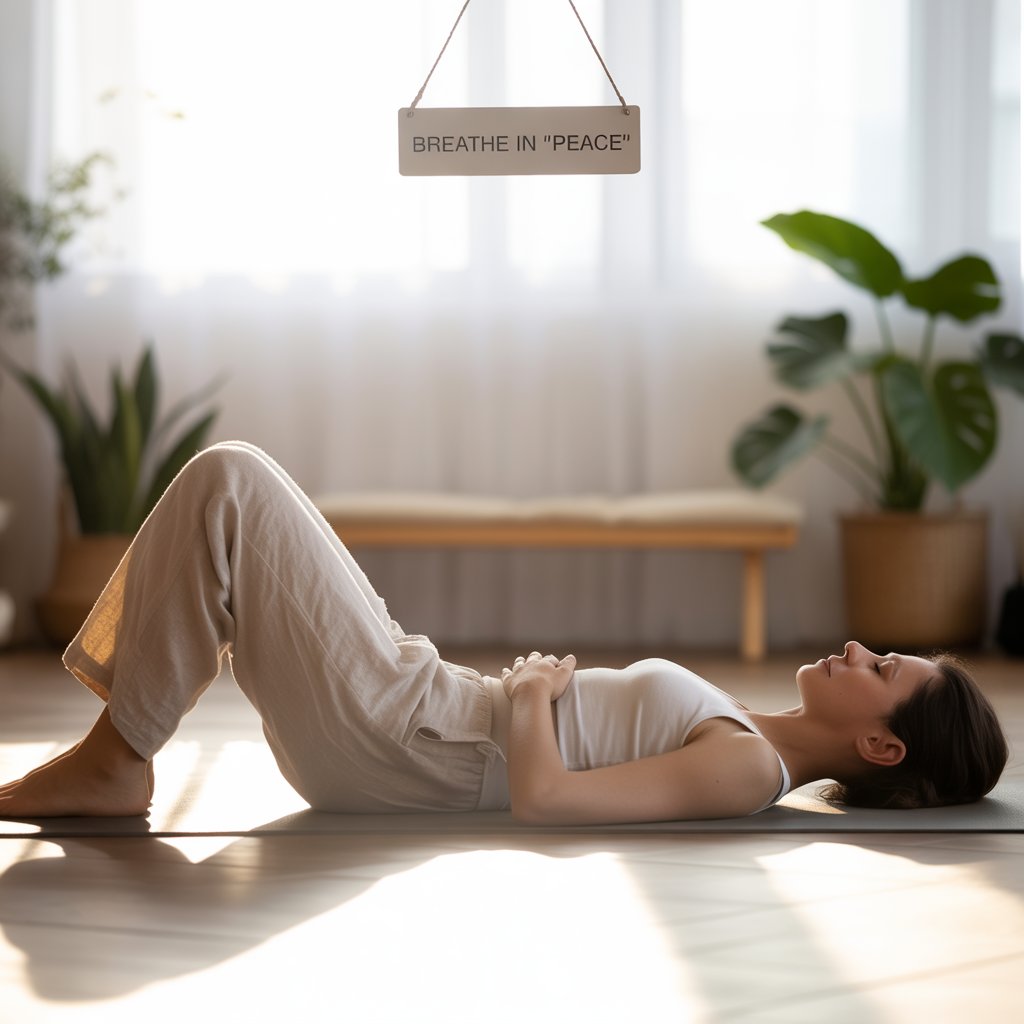
Sit or lie down with a straight spine.
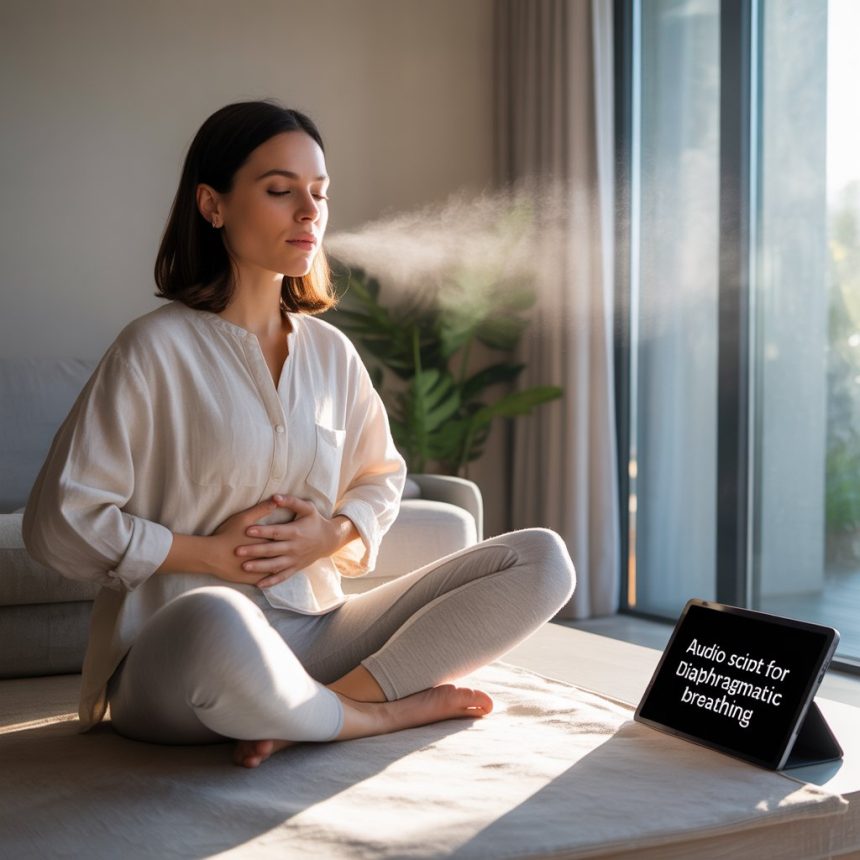
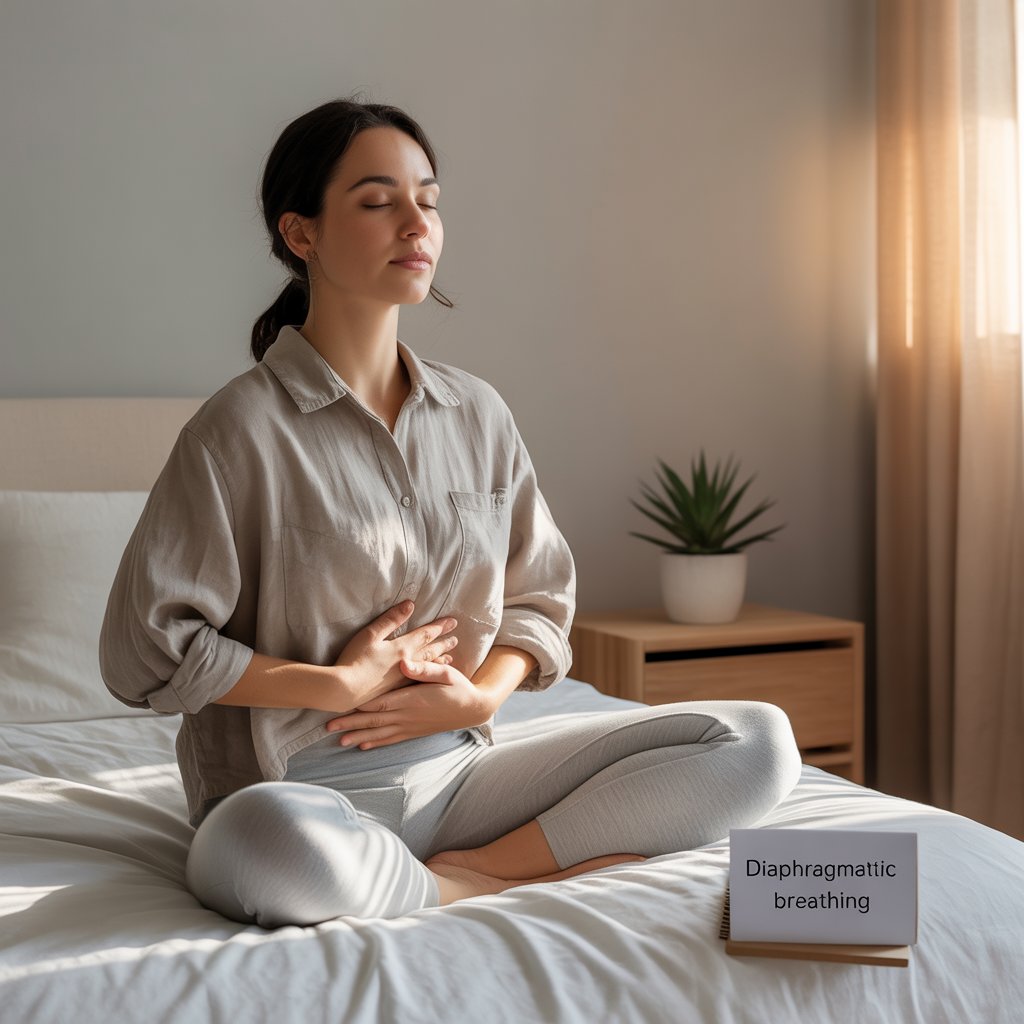
Rest one hand over your heart and the other on your abdomen to feel the rhythm of your breath from the inside out.
Breathe in slowly through your nose, aiming to raise the hand on your belly while keeping your chest still.
Exhale gently through your mouth.
Repeat for 5 to 10 minutes.
The Role of Audio Scripts in Diaphragmatic Breathing Practice
You might wonder why you would use an audio script for breathing exercises. Audio scripts act like a friendly guide, walking you through the process, helping maintain focus, and setting the right rhythm.
Just like a personal trainer motivates you during a workout, an audio script provides encouragement and timing cues, making the experience more immersive and effective.
Crafting an Effective Diaphragmatic Breathing Audio Script
What makes a good script? It should be:
Clear and easy to follow
Calm and reassuring in tone
Structured with consistent timing
Inclusive of gentle reminders to relax muscles
A typical script might include guided breathing cycles, short pauses, and positive affirmations to deepen the sense of calm.
Introduction: Brief explanation to relax and focus.
Warm-up: Gentle breathing awareness.
Core practice: Breathe in gently through your nose for a count of four, pause for two, then exhale slowly through your mouth for a count of six.
Closure: Gradual return to normal breathing and a positive closing message.This structure balances focus and relaxation without overwhelming the listener.
Tips to Enhance Your Practice Using Audio Guides
To make the most of your breathing sessions with audio:
Use headphones for clearer sound.
Choose a quiet environment free of distractions.
Practice regularly, ideally daily.
Pair the exercise with comfortable posture.
Stay curious and give yourself the grace to grow at your own pace.
How to Integrate Diaphragmatic Breathing Into Your Daily Life
You don’t have to reserve diaphragmatic breathing for special occasions. Try these simple ways to weave it into your routine:
Take a few deep breaths before a stressful meeting.
Practice while commuting or waiting in line.
Use it as a wind-down tool before bedtime.
Combine it with gentle stretches or yoga.
Like planting seeds of calm throughout your day, small moments of mindful breathing grow into a healthier mindset.
When to Seek Help or Guidance
While diaphragmatic breathing is safe for most people, if you experience:
Persistent dizziness or discomfort
Breathing difficulties
Severe anxiety or panic attacks
It’s important to consult a healthcare provider or breathing specialist. Sometimes, professional support can complement your practice for best results.
Frequently Asked Questions (FAQs)
1. How long should I practice diaphragmatic breathing each day?
Just 5 to 10 minutes a day can create a meaningful shift in how you feel and function.
Consistency is more important than duration.
2. Can diaphragmatic breathing help with sleep problems?
Yes, it promotes relaxation and can ease the transition to restful sleep.
3. Is it normal to feel lightheaded during breathing exercises?
If breathing too fast or deeply, some may feel dizzy. Slow, gentle breaths reduce this risk.
4. Can children learn diaphragmatic breathing?
Absolutely! It’s simple enough for children and beneficial for managing emotions.
5. Do I need special equipment for diaphragmatic breathing practice?
No equipment is needed—just your body and attention. Audio guides can enhance the experience but aren’t required.
Conclusion: Breathing Your Way to Wellness
Diaphragmatic breathing is a simple, natural tool that holds the power to ease tension, clear the mind, and improve health. By using thoughtfully crafted audio scripts, you can enhance your practice, making each breath more intentional and restorative. Remember, the breath is always with you—ready to be a source of calm and balance whenever you need it most.