






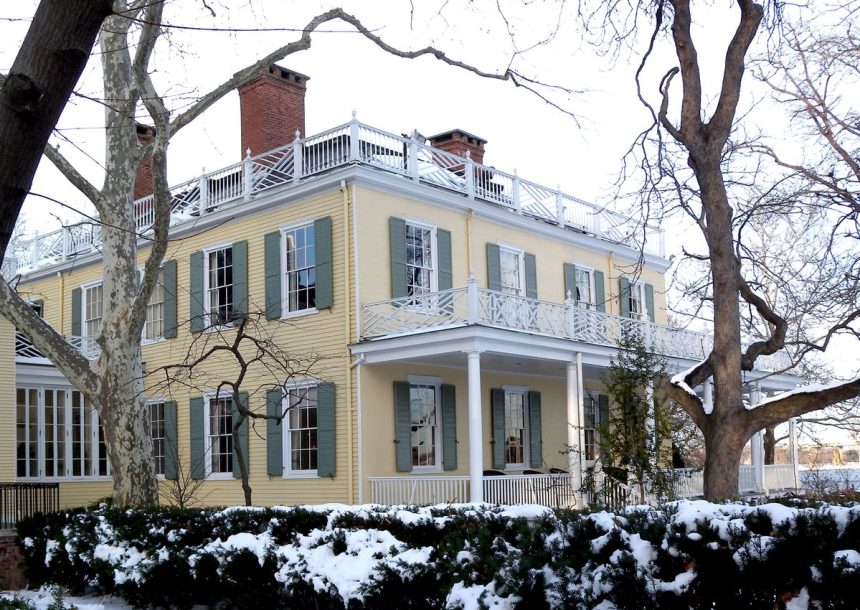
New York City is known for its towering skyscrapers, bustling streets, and world-famous landmarks. Millions of visitors travel to the city each year to experience iconic destinations such as Times Square, Central Park, and the Statue of Liberty. Yet among these celebrated attractions stands a historic treasure that often receives less attention despite its remarkable story and cultural significance. Nestled along the East River in Manhattan, Gracie Mansion has served as a symbol of New York’s rich history, architectural beauty, and civic pride for more than two centuries.
As the official residence of New York City’s mayor, Gracie Mansion represents far more than a government building. It is a living monument that reflects the city’s transformation from a growing colonial settlement into one of the world’s most influential urban centers. Through wars, economic changes, political transitions, and social movements, the mansion has remained a constant presence, preserving stories that continue to fascinate historians, residents, and visitors alike.
The Origins of a Historic Home
The story of Gracie Mansion begins in the late eighteenth century, a period when New York was still establishing itself as a major American city. The mansion was built in 1799 by Archibald Gracie, a wealthy Scottish-born merchant who had found success in international trade.
At the time, the area surrounding the mansion looked very different from modern Manhattan. Instead of crowded avenues and high-rise buildings, the landscape featured rolling hills, open fields, and scenic waterfront views. Archibald Gracie selected this location because of its natural beauty and strategic position overlooking the East River.
The home was designed as a country estate where Gracie and his family could enjoy a peaceful retreat away from the increasingly busy commercial districts of lower Manhattan. Its elegant Federal-style architecture reflected the tastes of the era, emphasizing symmetry, refinement, and simplicity.
The mansion quickly became a gathering place for influential figures of the time. Prominent merchants, politicians, and social leaders visited the estate, contributing to its growing reputation as one of New York’s distinguished residences.
Architectural Beauty That Endures
One of the most remarkable aspects of Gracie Mansion is its architectural character. While New York has undergone countless changes over the centuries, the mansion remains a beautiful example of early American design.
Federal-style architecture became popular in the United States after the American Revolution. Inspired by classical ideals, the style emphasized balance, proportion, and understated elegance. Gracie Mansion showcases many of these features, including graceful windows, decorative details, and a welcoming exterior that reflects the craftsmanship of its time.
The mansion’s design has allowed it to remain visually appealing despite changing architectural trends. While modern skyscrapers dominate the city’s skyline, Gracie Mansion offers a glimpse into a much earlier chapter of New York’s development.
Preservation efforts over the years have ensured that the building maintains its historical integrity while accommodating modern needs. Careful restoration projects have protected original elements while updating the structure to serve contemporary functions.
This balance between preservation and adaptation has helped Gracie Mansion remain both historically authentic and practically useful.
Surviving the Passage of Time
Many historic buildings disappear as cities expand and redevelop. Gracie Mansion, however, managed to survive periods of significant transformation that reshaped New York City.
Throughout the nineteenth century, Manhattan experienced rapid growth. New neighborhoods emerged, transportation networks expanded, and commercial activity increased dramatically. As urban development spread northward, areas that were once considered rural gradually became integrated into the growing city.
Despite these changes, Gracie Mansion endured. The surrounding land eventually became part of public park space, helping protect the estate from private redevelopment. This decision preserved not only the mansion itself but also its scenic setting overlooking the East River.
The ability of Gracie Mansion to survive while so much of the surrounding landscape changed is one of the reasons it remains such a valuable historical landmark today.
Its continued presence offers a rare connection to New York’s past, allowing modern residents to experience a physical reminder of the city’s early years.
Becoming the Mayor’s Official Residence
Although Gracie Mansion had already established itself as an important historic site, a major chapter in its story began during the twentieth century. In 1942, the mansion officially became the residence of New York City’s mayor.

This transformation gave the building a new role in civic life. Rather than serving solely as a historical property, it became an active part of city government and public service.
Since then, many mayors and their families have called Gracie Mansion home. Each administration has added its own chapter to the building’s history, creating a unique blend of political significance and personal storytelling.
The residence serves as both a home and a venue for official events. Important meetings, receptions, cultural celebrations, and diplomatic gatherings have taken place within its walls.
By combining residential and ceremonial functions, Gracie Mansion occupies a distinctive position among American government residences.
A Witness to History
Over the decades, Gracie Mansion has witnessed countless moments that shaped New York City and the nation as a whole. Political leaders, international dignitaries, artists, activists, and community representatives have all passed through its doors.
The mansion has served as a backdrop for discussions involving public policy, social change, economic development, and cultural progress. While major events often occur elsewhere, Gracie Mansion has frequently played a supporting role behind the scenes.
Its walls have observed periods of prosperity and challenge alike. From economic booms to financial crises, from public celebrations to moments of uncertainty, the mansion has remained a steady symbol of civic leadership.
Because of this long history, Gracie Mansion functions as more than a residence. It serves as a witness to the evolving story of New York itself.
The Role of Preservation
Preserving historic landmarks requires ongoing dedication, and Gracie Mansion has benefited from decades of careful stewardship. Organizations, preservationists, historians, and city officials have worked together to maintain the property’s architectural and cultural significance.
Restoration efforts have focused on protecting original features while ensuring that the building remains functional for modern use. Historical research has helped guide these projects, allowing experts to understand how different areas of the mansion appeared during various periods.
Furniture, artwork, decorative objects, and historical collections contribute to the mansion’s authenticity. Many pieces reflect New York’s rich cultural heritage and help visitors understand the lives of those who occupied the residence throughout history.
Without these preservation efforts, much of the mansion’s historical value could have been lost. Instead, Gracie Mansion continues to educate and inspire new generations.
A Symbol of Civic Identity
Landmarks often become symbols that represent broader ideas and values. Gracie Mansion serves this role for many New Yorkers.
Its location within a public park and its connection to city leadership create a unique relationship between government and community. Unlike isolated monuments that simply commemorate the past, Gracie Mansion remains actively involved in contemporary civic life.
The residence symbolizes continuity, demonstrating how historical traditions can coexist with modern governance. It reminds residents that today’s city was shaped by generations of individuals who contributed to its growth and success.
For many people, Gracie Mansion represents stability and public service. It reflects the idea that leadership is connected not only to policy but also to community engagement and cultural heritage.
The Scenic Setting Along the East River
One of the most distinctive aspects of Gracie Mansion is its location. Perched on elevated ground overlooking the East River, the mansion enjoys views that have captivated visitors for generations.
Although the surrounding cityscape has changed dramatically since the eighteenth century, the river continues to provide a sense of openness and tranquility. The contrast between the historic mansion and the modern skyline creates a striking visual experience.
Visitors often appreciate the peaceful atmosphere that surrounds the property. Despite being located within one of the busiest cities in the world, Gracie Mansion retains a feeling of separation from urban congestion.

This unique setting contributes significantly to its charm and historical character. It also helps explain why Archibald Gracie originally selected the site for his family estate more than two hundred years ago.
Cultural Importance Beyond Politics
While Gracie Mansion is primarily known as the mayor’s residence, its significance extends far beyond politics. The mansion plays an important role in preserving and promoting New York’s cultural heritage.
Educational programs, historical tours, and public events help connect residents and visitors with the city’s past. Through these initiatives, people gain a deeper understanding of the individuals, communities, and events that shaped New York over time.
The mansion also highlights the importance of architectural preservation. In a city constantly focused on growth and innovation, Gracie Mansion demonstrates the value of protecting historical landmarks for future generations.
Its cultural contributions make it an important resource not only for historians but also for anyone interested in understanding New York’s identity.
Why Gracie Mansion Continues to Inspire
The enduring appeal of Gracie Mansion lies in its ability to connect different eras of New York history. It serves as a bridge between the city’s colonial past, its industrial growth, and its modern global influence.
Visitors are often struck by the realization that the mansion has survived through so many periods of change. Few structures can claim such a long and continuous relationship with the city’s development.
The building’s beauty, historical significance, and civic role combine to create a landmark that feels both timeless and relevant. Its story reflects resilience, adaptation, and the importance of preserving shared heritage.
As New York continues to evolve, Gracie Mansion remains a reminder that progress and history can coexist. It demonstrates how historic landmarks enrich urban life by providing continuity, perspective, and inspiration.
Conclusion
Gracie Mansion stands as one of New York City’s most remarkable historical treasures. From its origins as a country estate built by Archibald Gracie in 1799 to its current role as the official residence of the mayor, the mansion has played a unique part in the city’s story. Its elegant architecture, rich history, scenic location, and cultural importance make it far more than a government residence.
For more than two centuries, Gracie Mansion has witnessed the transformation of New York from a developing port city into a global metropolis. Through preservation, public engagement, and continued use, it remains a vibrant symbol of the city’s heritage. As generations come and go, this timeless landmark continues to inspire admiration, offering a powerful connection to the past while remaining firmly rooted in the present.