







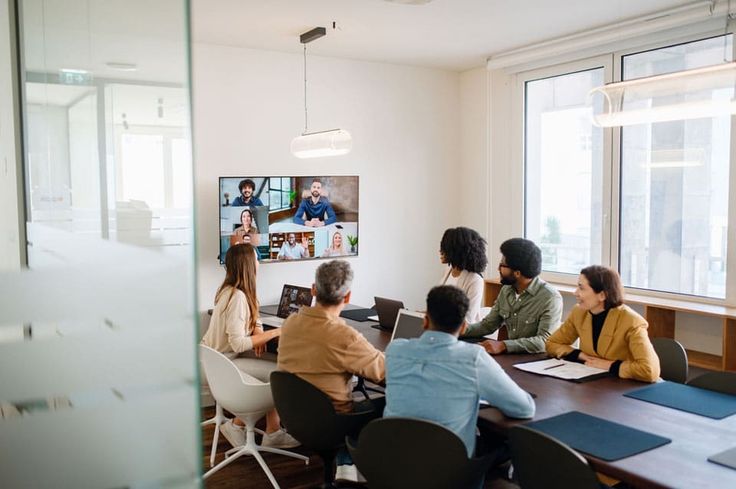
The Rise of Virtual Communication
In recent years, virtual meetings have shifted from being a convenient alternative to becoming a central part of professional, academic, and even social life. Whether you are attending a team discussion, presenting a project, or joining an online class, your ability to communicate effectively through a screen plays a crucial role in how you are perceived. Unlike traditional face-to-face interactions, virtual meetings require a unique set of etiquette skills that go beyond simply showing up and speaking. From managing your microphone to maintaining proper camera presence, small details can make a big difference in how successful and productive your meetings become.
As more organizations embrace remote work and digital collaboration, mastering virtual meeting etiquette is no longer optional. It is an essential skill that can enhance your professionalism, improve communication clarity, and help you build stronger connections with colleagues and clients alike.
Preparing Before the Meeting Begins
Success in a virtual meeting starts long before you click the “join” button. Preparation is one of the most overlooked yet powerful aspects of virtual etiquette. Ensuring that your device is fully charged, your internet connection is stable, and your software is updated can prevent unnecessary disruptions. Technical issues not only waste time but also reflect poorly on your readiness and reliability.
Equally important is your environment. Choose a quiet, well-lit space where you can focus without distractions. Background noise from televisions, conversations, or traffic can make it difficult for others to hear you clearly. A clean and neutral background also helps maintain a professional image and keeps the attention on you rather than your surroundings.
Taking a few minutes to review the meeting agenda or materials beforehand can also significantly improve your participation. When you are familiar with the topics being discussed, you can contribute more confidently and avoid unnecessary pauses or confusion during the meeting.
The Power of Being on Time
Punctuality is a fundamental aspect of any professional interaction, and virtual meetings are no exception. Logging in a few minutes early shows respect for others’ time and allows you to address any last-minute technical issues. Being late to a virtual meeting can be even more disruptive than arriving late in person, as it may interrupt the flow of conversation or require someone to pause and acknowledge your entry.
Starting on time also sets a positive tone for the meeting. When everyone is present and ready, discussions can proceed smoothly without unnecessary delays. Consistent punctuality builds trust and demonstrates that you take your commitments seriously.
Mastering the Mute Button
One of the simplest yet most important rules of virtual meeting etiquette is knowing when to mute and unmute your microphone. Background noise, even if it seems minor to you, can be distracting for others. Sounds like typing, coughing, or even breathing too close to the microphone can disrupt the meeting’s flow.

Keeping your microphone muted when you are not speaking is considered a basic courtesy. However, it is equally important to unmute yourself promptly when it is your turn to talk. Hesitation or confusion around the mute button can lead to awkward pauses and missed opportunities to contribute.
Learning to manage your microphone effectively shows that you are attentive and considerate of others in the meeting.
Camera Presence and Body Language
While some meetings allow participants to keep their cameras off, turning your camera on whenever appropriate can greatly enhance communication. Visual presence helps build trust and engagement, making interactions feel more personal and connected. It allows others to read your facial expressions and body language, which are essential components of effective communication.
When your camera is on, your posture and appearance matter. Sitting upright, maintaining eye contact with the camera, and avoiding excessive movement can make you appear more confident and professional. Dressing appropriately, even if you are working from home, also contributes to a positive impression.
Good lighting is another key factor. Positioning a light source in front of you rather than behind ensures that your face is clearly visible. These small adjustments can significantly improve how others perceive you during the meeting.
Clear and Respectful Communication
Virtual meetings require a slightly different communication style compared to in-person interactions. Since there may be slight delays or audio limitations, speaking clearly and at a moderate pace is essential. Avoid interrupting others, as overlapping voices can be difficult to understand in an online setting.
Using simple and concise language helps ensure that your message is understood. If you need to make a longer point, consider pausing occasionally to allow others to respond or ask questions. Active listening is just as important as speaking. Nodding, maintaining eye contact, or using brief verbal acknowledgments shows that you are engaged and respectful.
It is also helpful to use the platform’s features, such as the “raise hand” option or chat function, to manage discussions smoothly. These tools can prevent interruptions and ensure that everyone has a chance to contribute.
Managing Distractions Effectively

Working from home or attending meetings remotely often comes with distractions that are not present in traditional office settings. From phone notifications to family members or pets, these interruptions can affect your focus and professionalism.
To minimize distractions, silence your phone, close unnecessary tabs or applications, and inform others around you that you are in a meeting. Staying fully present during the meeting not only improves your own understanding but also shows respect for others’ time and effort.
If an unexpected interruption does occur, handling it calmly and professionally is important. Briefly apologizing and quickly returning your attention to the meeting helps maintain a positive impression.
Dressing for the Occasion
Although virtual meetings take place from the comfort of your home, dressing appropriately remains an important aspect of etiquette. Your appearance contributes to how others perceive your professionalism and seriousness.
You do not necessarily need to wear formal attire for every meeting, but choosing clean, presentable clothing that matches the meeting’s context is essential. Avoid overly casual outfits that may appear unprofessional, especially in formal or business settings.
Dressing well can also have a psychological effect, helping you feel more confident and prepared to participate actively in the meeting.
Being Mindful of Meeting Structure
Understanding the structure and purpose of a meeting can help you participate more effectively. Some meetings are designed for brainstorming, while others focus on decision-making or updates. Being aware of the meeting’s goals allows you to tailor your contributions accordingly.
Avoid dominating the conversation or speaking unnecessarily. Instead, focus on adding value through thoughtful and relevant input. Respecting time limits and staying on topic ensures that the meeting remains productive and efficient.
If you are leading the meeting, setting clear expectations, managing time effectively, and encouraging participation from all attendees are key responsibilities. A well-structured meeting benefits everyone involved.
Handling Technical Challenges Gracefully
Despite careful preparation, technical issues can still arise during virtual meetings. Whether it is a dropped connection, audio problem, or software glitch, how you handle these situations matters.
Remaining calm and composed is essential. If you experience a problem, inform others briefly and try to resolve it without causing unnecessary disruption. Having a backup plan, such as joining from another device or reconnecting quickly, can minimize downtime.
Being patient when others face technical difficulties is equally important. Offering understanding and support helps maintain a positive and collaborative environment.
Following Up After the Meeting
Virtual meeting etiquette does not end when the call is over. Following up on action items, sharing notes, or clarifying key points demonstrates responsibility and professionalism. It ensures that the meeting’s outcomes are effectively implemented.
Sending a brief summary or confirmation email can help reinforce important decisions and keep everyone aligned. This practice is especially useful in larger meetings where details may be easily overlooked.

Consistent follow-up also builds trust, showing that you are committed to achieving results and contributing to the team’s success.
Building Strong Virtual Relationships
One of the challenges of virtual meetings is the lack of personal interaction that naturally occurs in face-to-face settings. However, building strong relationships is still possible with the right approach.
Taking a few moments for casual conversation before or after the meeting can help create a more relaxed and friendly atmosphere. Showing genuine interest in others, acknowledging their contributions, and maintaining a positive attitude can strengthen connections over time.
Trust and collaboration are built through consistent, respectful, and engaging interactions, even in a virtual environment.
The Future of Virtual Meeting Etiquette
As technology continues to evolve, virtual meetings will likely become even more advanced and integrated into daily life. New tools and features may enhance communication, but the core principles of etiquette will remain the same.
Respect, preparation, clear communication, and professionalism will always be the foundation of successful interactions. Adapting to new technologies while maintaining these principles will ensure that you remain effective and confident in any virtual setting.
Conclusion
Virtual meetings have transformed the way people connect, collaborate, and communicate. While they offer convenience and flexibility, they also require a thoughtful approach to etiquette. From mastering the mute button to presenting yourself confidently on camera, every detail contributes to the overall success of the meeting.
By preparing in advance, communicating clearly, managing distractions, and following up effectively, you can make a strong and lasting impression in any virtual setting. These skills not only enhance your professional image but also improve the quality of interactions and outcomes.