







Ever walked into a beautifully designed kitchen only to have your eyes land on an unsightly trash bin ruining the aesthetic? We’ve all been there. That’s when a stylish and practical trash can cabinet steps in to save the day.
More than just a piece of furniture, it’s a practical, stylish solution to a common household problem. Whether you’re dealing with a tiny apartment or a spacious family home, understanding how these cabinets work can completely change the way your space looks and feels.
In this guide, we’ll dive deep into everything you need to know about trash can cabinets—designs, materials, installation, maintenance, and even how to choose the right one for your home. Ready to make your kitchen, bathroom, or office look instantly cleaner and more organized? Let’s get started.
Why a Trash Can Cabinet Is More Than Just Storage
Think of a trash can cabinet as a closet for your waste. Just like you wouldn’t leave your clothes piled on the floor, having a dedicated (and hidden) space for trash creates order. It’s not just about appearance; it’s about hygiene, convenience, and even protecting your pets from rummaging in the bin.
This blend of function and style makes these cabinets an essential part of modern living.
The Benefits of Having a Trash Can Cabinet
1. A Cleaner, Clutter-Free Look
The most obvious benefit? Out of sight, out of mind. A concealed trash bin keeps your home looking tidy without the visual distraction of plastic bags or overflowing cans.
2. Better Hygiene and Odor Control
Most cabinets are designed to minimize unpleasant smells, often using tight-fitting doors or specialized compartments. This keeps your kitchen fresher for longer.
3. Safety from Pets and Kids
Anyone with a curious dog or toddler knows the struggle. A secured cabinet keeps them away from potentially harmful items or messy spills.
4. Convenience and Accessibility
Slide-out designs allow you to toss waste effortlessly while cooking. No more juggling across the kitchen with both hands occupied.
Types of Trash Can Cabinets
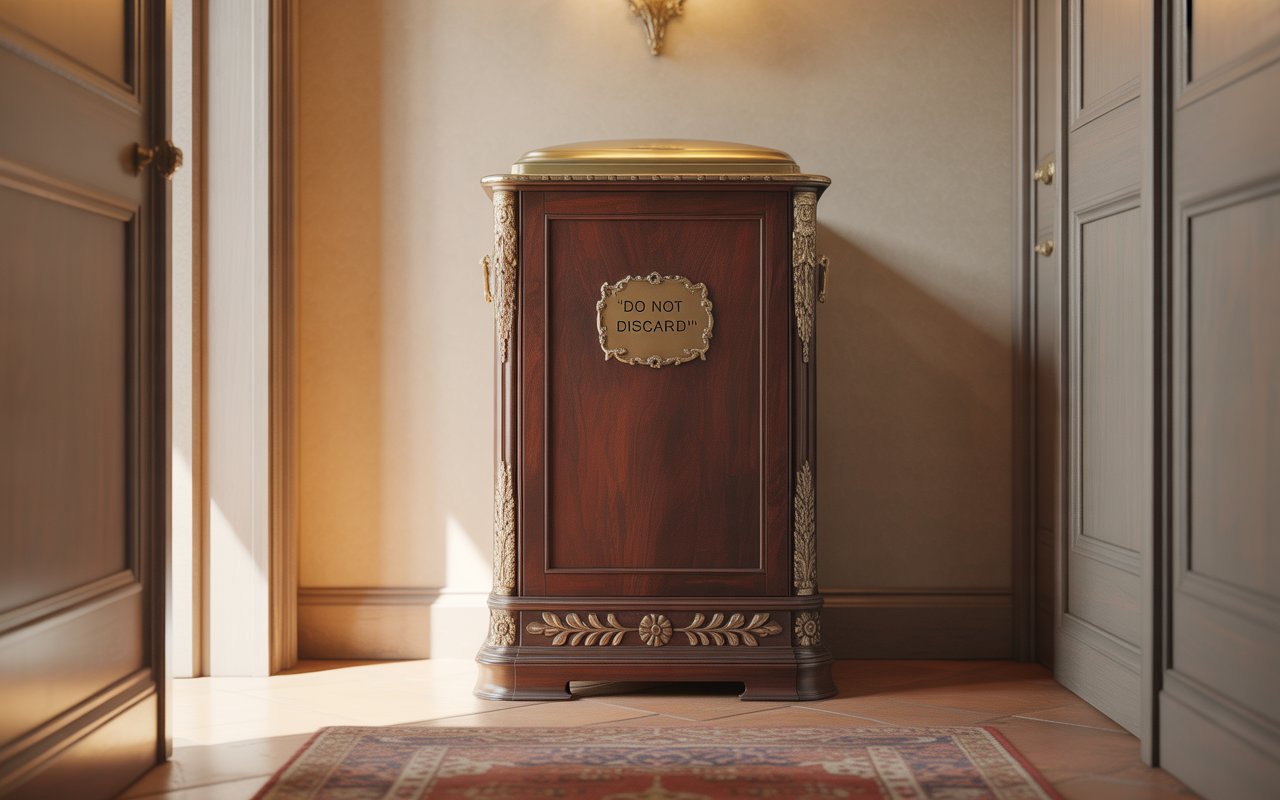
Not all trash can cabinets are created equal. Depending on your home and lifestyle, you’ll find different types that suit your needs.
1. Pull-Out Cabinets
These are the most common type. The trash can slides out on rails, making it easy to access without disrupting the flow of your kitchen.
2. Tilt-Out Cabinets
These resemble furniture pieces. You pull the front panel forward, and the bin tilts out. Perfect for blending into living rooms or entryways.
3. Freestanding Cabinets
Great for renters or those who don’t want permanent fixtures. They’re portable, stylish, and come in a range of finishes.
4. Built-In Units
Custom-designed to blend seamlessly into your cabinetry, these are ideal for those renovating or building a kitchen from scratch.
Materials: Choosing the Right Build
Just like any furniture, the material matters. Let’s break down the options:
-
Wood: Offers a warm, classic look. Popular in rustic or farmhouse kitchens.
-
Metal: Sleek, modern, and durable. Often used in professional-style kitchens.
-
Laminate or MDF: Affordable and versatile, though less durable than hardwood.
-
Composite materials: Blend affordability and strength, often with easy-to-clean surfaces.
Your choice depends on whether you prioritize aesthetics, durability, or budget.
Style Options to Match Any Décor
A trash can cabinet isn’t just functional—it can also be a design statement.
-
Farmhouse style with distressed wood finishes.
-
Modern minimalism with clean lines and neutral tones.
-
Industrial look featuring metal accents and bold details.
-
Custom cabinetry to match your existing cupboards perfectly.
The right style makes your waste bin blend seamlessly—or even become a feature piece.
Placement: Where Should It Go?
Where you place your trash can cabinet can make or break its usefulness.
-
Kitchen: The obvious choice—ideally near the sink or prep area.
-
Bathroom: Slim versions keep the space neat.
-
Laundry room: Useful for lint and fabric scraps.
-
Office: Keeps papers and clutter tucked away.
Think about your workflow. If you cook often, a pull-out unit under the countertop might save you countless steps.
Size and Capacity: Matching Your Household Needs
Before buying, ask yourself: How much trash does your household generate?
-
Small households: A single-bin cabinet may suffice.
-
Families: Dual-bin designs allow for separation of trash and recycling.
-
Large homes: Extra-deep or wide cabinets prevent constant emptying.
A simple rule of thumb: Bigger households usually benefit from larger, double-can setups.
Trash Can Cabinets and Recycling
Today’s cabinets are often crafted with eco-friendly features at the forefront.
They come with dual or triple compartments, making it easy to separate waste, recyclables, and compost.
Think of it as your personal waste management station—without the chaos of multiple bins cluttering your floor.
DIY vs. Store-Bought: Which Is Right for You?
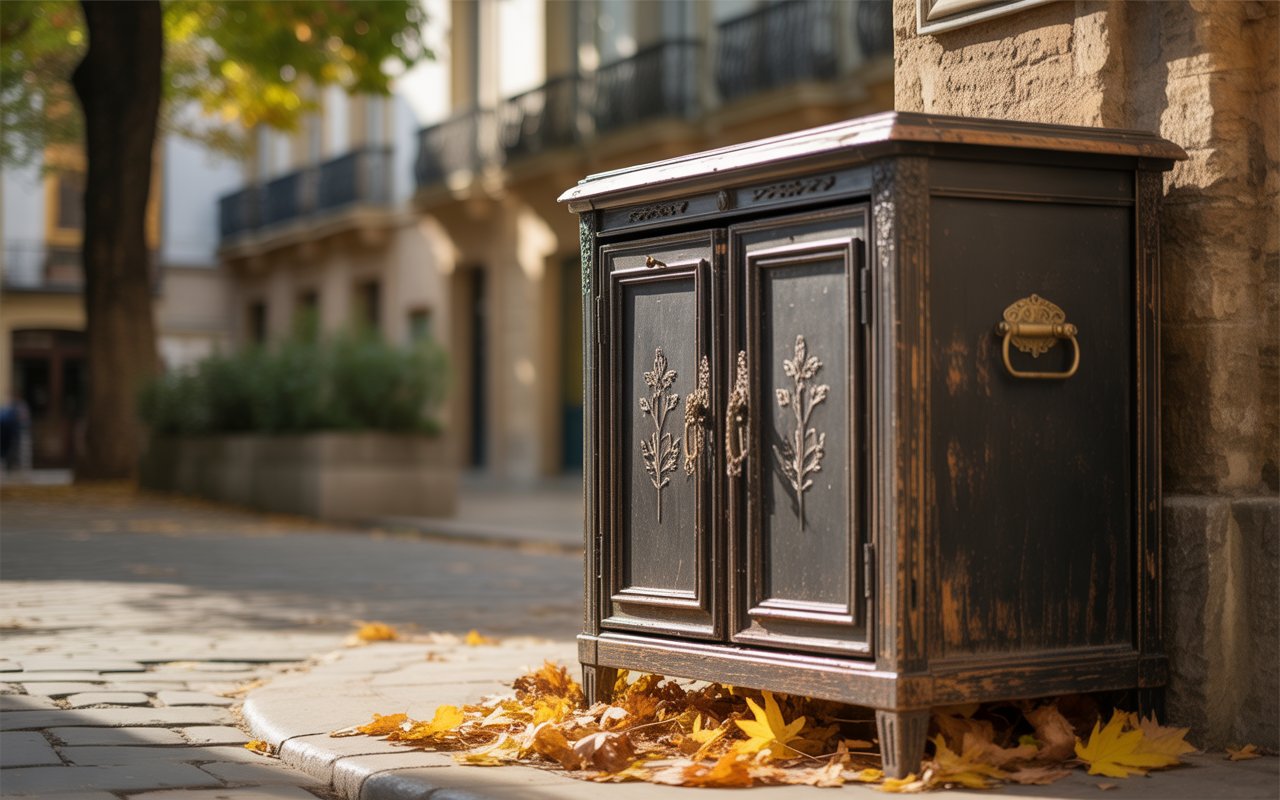
DIY Approach
-
Perfect for those who enjoy woodworking or home improvement projects.
-
Allows for customization in size, color, and finish.
-
Cost-effective but time-consuming.
Store-Bought Cabinets
-
Wide variety available online or in furniture stores.
-
Ready to use—no tools required.
-
Limited customization but quick and convenient.
It all comes down to whether you value creativity or convenience more.
Installation and Maintenance
Setting up a trash can cabinet is often easier than you might expect.
Most pull-out versions require just a few screws and basic tools. Built-in models may need professional installation.
Maintenance tips:
-
Wipe surfaces regularly to prevent odor build-up.
-
Line the bin to keep the interior clean and well-protected.
-
Check the sliding mechanism for smooth operation.
-
Occasionally deep-clean with mild soap or vinegar solution.
A little care goes a long way in keeping your cabinet functional and fresh.
Budget: What to Expect
Trash can cabinets range from affordable to luxury, depending on design and material.
-
Budget options: $50–$150 (simple freestanding models).
-
Mid-range: $200–$500 (sturdy pull-outs and tilt-out designs).
-
High-end: $600+ (custom cabinetry with premium finishes).
When setting your budget, remember to balance style, durability, and convenience.
Trash Can Cabinet as Part of Home Organization
Think of your home as a system. Just like filing cabinets keep your documents in order, a trash can cabinet keeps waste management streamlined. It’s a small change with a big impact, creating flow and harmony in your everyday life.
FAQs
1. What’s the best type of trash can cabinet for small kitchens?
Pull-out cabinets are ideal for small kitchens because they fit neatly into existing cabinetry and save valuable floor space.
2. How do I control odors inside a trash can cabinet?
Regular cleaning, using liners, and adding baking soda or odor-absorbing packets can help keep smells under control.
3. Can I install a trash can cabinet myself?
Yes, most pull-out and tilt-out models are DIY-friendly and come with clear instructions. Custom built-ins, however, may require professional installation.
4. Are trash can cabinets pet-proof?
Yes, especially models with secure doors or heavy tilt-out designs. They’re an excellent choice for households with curious pets.
5. Do trash can cabinets come with recycling compartments?
Many modern designs feature dual or triple bins, making it easy to separate recyclables, compost, and general waste.
Conclusion: Small Change, Big Difference
At first glance, a trash can cabinet might seem like just another piece of furniture. But as we’ve seen, it’s much more than that. From improving hygiene and safety to enhancing your décor, it’s a clever investment in both function and style. Whether you opt for a simple freestanding unit or a custom-built masterpiece, one thing is certain: your home will feel cleaner, more organized, and more welcoming.