







Introduction
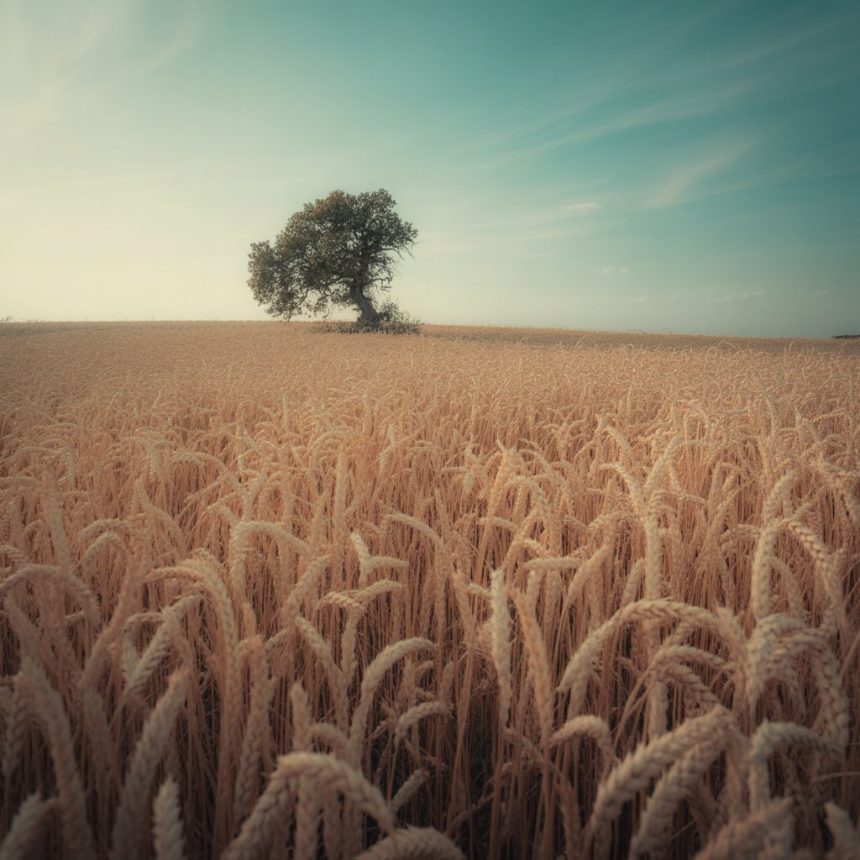
Have you ever stood in a wide, open stretch of land—no fences, no trees, no shade—just sky arching over ground that seems boundless? That’s what we’re calling a naked field. Think of it as a blank slate, both literally and emotionally. In this article, we’ll walk through what a naked field means in nature, culture, and our inner world. We’ll explore how a simple open space can feel so freeing, how it crops up in stories and memory, and why it still matters today—especially when our lives feel cluttered or enclosed. So, come along and let the clearing start to speak.
1. Defining the Naked Field
What does it really mean?
A naked field is, at its simplest, an open area without cover—a plot of land with bare soil, low grass, or light vegetation, free from buildings or dense growth. But in another sense, it’s a pause—a space where little stands in the way, revealing what’s beneath or within.
2. Nature’s Hidden Whispers
Life beneath apparent emptiness
You might think a bare field is empty, but often, it’s alive in quiet ways. Tiny shoots peek through soil. You might spot insects weaving between blades of grass or hear rustles you didn’t expect. Its simplicity invites you to notice subtle details—small birds landing, the scent of earth warmed by sun, or a gentle breeze carrying distant sounds.
3. Metaphor of Exposure and Clarity
Standing with nothing to hide
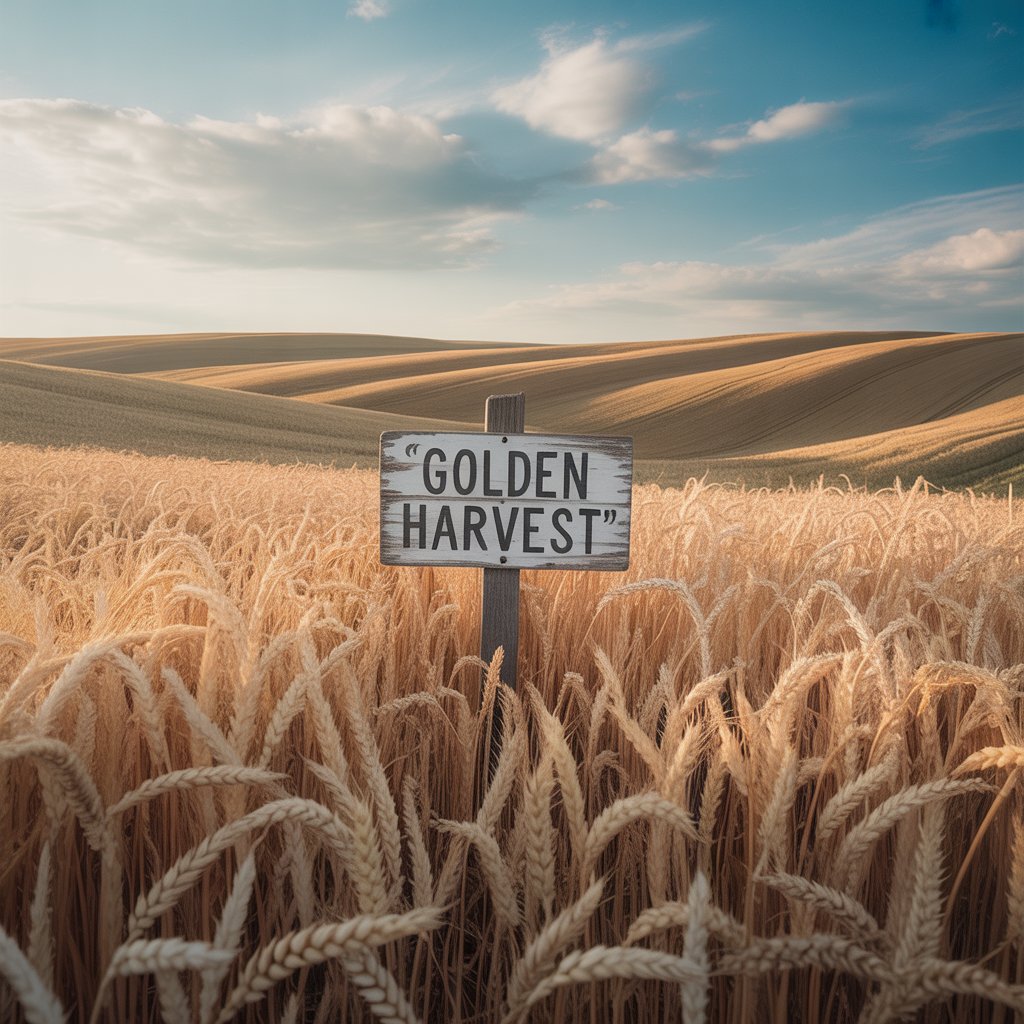
Imagine being on a stage with no props or curtains—that’s what it feels like to be in a naked field. You’re exposed, out in the open, yet there’s clarity there too. It’s a place where distractions vanish, and your senses sharpen. It’s both unsettling and honest—a chance to be seen or to see yourself clearly.
4. Why Wide Spaces Matter to Us
Roots in our instincts
Humans seem drawn to open land. Maybe it’s from deep in our past—when clear ground meant safety, visibility, possibility. Today, even surrounded by walls or screens, we yearn for that uncluttered view. It refreshes us, lets our minds unclench, like clearing debris from a path so we can stride forward again.
5. Fields in History and Community
Grounds of gathering and conflict
Throughout history, plain land has held weight. Fields hosted harvests and fairs—times when people came together under sky and wind. Then there are battlefields—open spaces where history turned with clashing swords or shaking earth. These naked stretches remind us how open land has held both joy and sorrow, peace and upheaval.
6. In Art and Storytelling
A blank scene speaks volumes
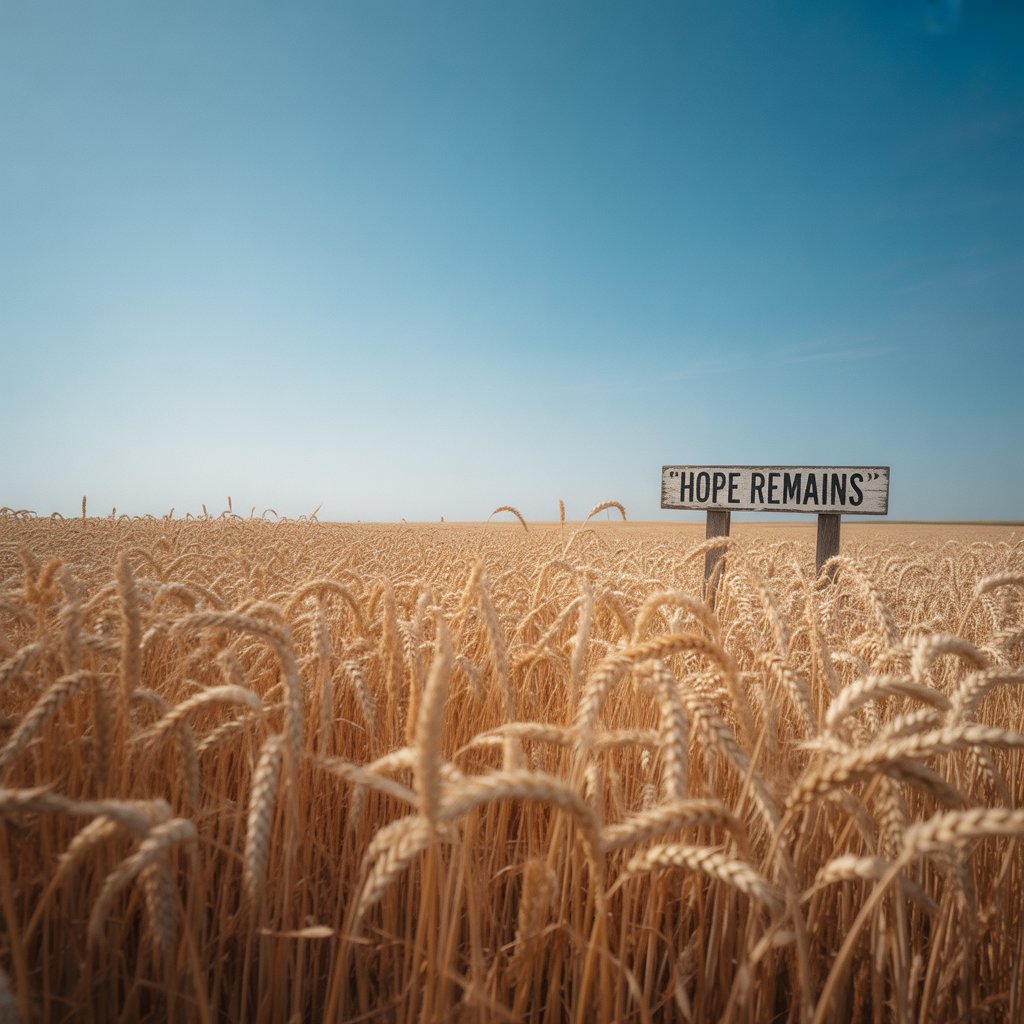
Artists love a simple horizon—a field under sky—for its dramatic honesty. Writers paint scenes of characters walking across an open plain to show solitude, longing, or revelation. That empty space doubles as a mirror for emotion, filled with what’s unsaid or yet to happen.
7. Emotional Landscapes
Feelings that bloom in open air
There’s something about being in a wide, quiet space that loosens your thoughts and feelings. It’s like stepping outside when your mind was boxed in. You breathe deeper. You slow down. The open field becomes a gentle push toward clarity—like clearing fogged glass so you can see what was always outside.
8. Urban Life and Vanishing Open Ground
Concrete crowding out calm
In busy cities, naked fields are rare. They’re swallowed by roads, buildings, and concrete surfacing every crack of space. Yet when a lot isn’t built on, when there’s a vacant stretch of land, that raw openness can feel striking. You might smell damp earth, feel wind unfiltered by structures. In that moment, the city slips away, and you stand in the quiet.
9. Finding Your Own Clearing Today
Moments of openness in daily life
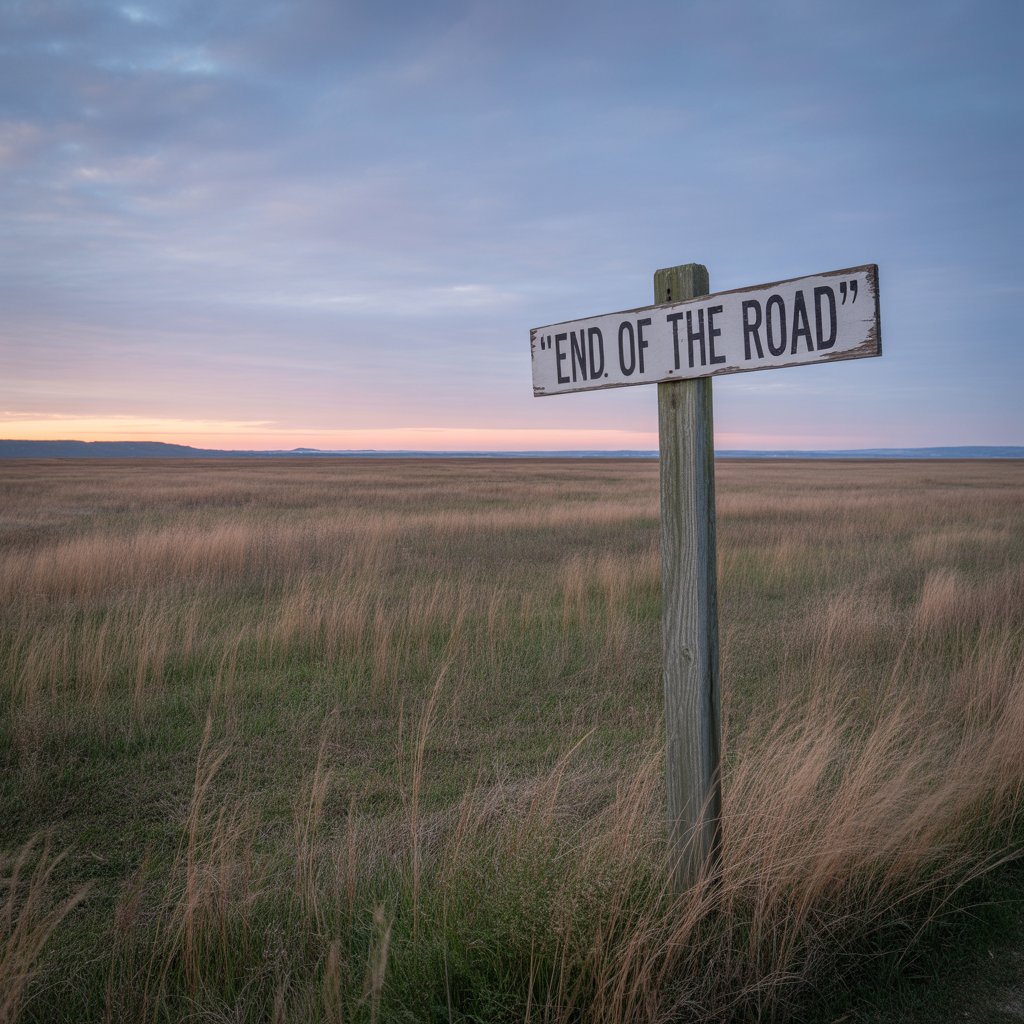
You don’t need acres of wilderness to experience the pull of empty space. A rooftop at dawn, an unlit parking area after dark, a sidewalk at quiet hour—these small clearings can ground you. They let you pause, breathe, and reconnect. It’s like finding a secret room in a crowded house.
10. Protecting Bare Beauty
Why open land deserves care
Open fields—whether rural meadows or city vacant patches—offer something rare: simplicity. They can grow wildflowers, support birds, or simply let people pause. Protecting them is like preserving moments of quiet in a noisy world. Even a small field can offer room for imagination, nature, and healing.
11. A Field Within: Inner Vulnerability
Opening up emotionally
The idea of a naked field isn’t just about land. It’s about our internal spaces—moments when we’re open, vulnerable, and in plain view of our emotions. We stand in our own clearing, honest with ourselves, letting thoughts and feelings surface without judgment or architectural distraction.
12. Walking Forward: Renewal in Openness
Using blank space as a beginning
When you find yourself in a naked field—whether under open skies or within your own thoughts—it feels like the quiet edge of something new, where every direction is yours to choose. With nothing in the way, you can step into new ideas, new energy, new direction. That openness invites beginnings, fresh breath, unfolding. It’s a space not just to stand, but to move forward.
Frequently Asked Questions
1. What does “naked field” really mean?
It literally refers to open land without obstructions—no trees, buildings, or hedges. Figuratively, it means emotional or mental openness and clarity.
2. Why do people feel calm in wide, empty spaces?
Wide areas reduce distractions and feel safe, giving us room to breathe and reflect. They unclutter the mind and invite mindfulness.
3. Can an open field feel lonely as well as peaceful?
Definitely. That blank expanse can feel empty or overwhelming—but that emptiness can also bring clarity, like breathing in fresh truth.
4. How can city folks experience a “clearing”?
Look for vacant lots, quiet rooftops, or empty small parks. Even brief moments in those unscripted spaces can clear your head.
5. Why should we protect open fields?
They offer environmental value, peace of mind, and space to imagine. Even small patches of empty land give life room to grow and people room to breathe.
Conclusion
So what’s a naked field? It’s unadorned land beneath a wide sky—yet it unfolds as a quiet symbol of clarity, emotional depth, and limitless possibility. We’ve walked through how that openness whispers life, inspires art, echoes history, and speaks to places inside us. In our busy, built-up lives, even a small stretch of empty ground—or a quiet moment with nothing on our schedule—can refresh us. It gives us room to breathe, reflect, and begin again.
Next time you sense yourself boxed in or restless, imagine a quiet clearing. Maybe it’s outside, maybe it’s inside. Let it be a field where thoughts unfurl, where stillness blooms, and where you, uncluttered, can stand and simply be.