






Drawing doesn’t have to be complicated, expensive, or intimidating. In fact, easy drawing is all about keeping things simple, relaxed, and enjoyable. Whether you’re someone who hasn’t picked up a pencil since school or a curious beginner wondering, “Can I really learn to draw?” — the answer is a warm and confident yes.
Think of drawing like learning to ride a bicycle. You don’t start with mountain trails; you begin with slow, steady pedals on flat ground. This article is your flat ground. We’ll explore simple concepts, approachable ideas, and practical tips that make drawing feel less like a skill reserved for artists and more like a friendly hobby anyone can enjoy.
Why Easy Drawing Matters More Than You Think
Easy drawing isn’t about lowering standards; it’s about lowering pressure. When the goal is simplicity, your mind relaxes, and creativity flows more freely.
Many people quit drawing because they compare their early sketches to polished artwork online. That’s like judging your first cooking attempt against a five-star restaurant meal. Easy drawing focuses on progress, not perfection. It allows you to build confidence, one small sketch at a time.
More importantly, drawing simply can be calming. It slows your thoughts, helps you focus, and offers a quiet break from screens and stress. In a busy world, that’s no small gift.
What Makes a Drawing “Easy”?
Let’s clear something up: easy doesn’t mean boring.
An easy drawing usually has:
-
Basic shapes like circles, squares, and lines
-
Minimal details that don’t overwhelm
-
Familiar subjects you recognize instantly
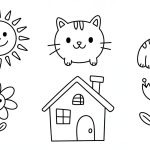
Instead of aiming for realism, easy drawing leans toward expression. A simple cat doodle can be more charming than a perfectly shaded portrait if it captures feeling.
If you can draw a circle and a line, you already have what it takes. Everything else is just building blocks stacked gently on top.
Starting with Simple Shapes and Lines

Every drawing, no matter how complex, begins with simple shapes. A house starts as a square and a triangle. A flower begins with a circle and a few curved lines.
When you practice drawing shapes:
-
Your hand learns control
-
Your eyes learn balance
-
Your brain learns structure
Try filling a page with circles, zigzags, spirals, or boxes. No pressure to turn them into “real” objects. This is like stretching before exercise — it prepares your creative muscles.
Over time, these shapes will naturally transform into recognizable forms without you forcing them.
Easy Drawing Ideas for Absolute Beginners
If you’re staring at a blank page wondering where to begin, you’re not alone. Here are some friendly starting points that feel achievable:
Everyday Objects
Mugs, keys, books, or shoes are great subjects. They don’t move, they’re familiar, and they don’t judge.
Nature-Inspired Sketches
Leaves, clouds, suns, and mountains are forgiving shapes. Nature rarely demands straight lines, which makes mistakes easier to hide.
Cute Characters
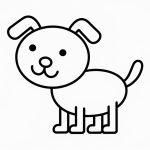
Simple faces, cartoon animals, or tiny people made from circles and dots are fun and expressive.
The trick is choosing things that feel approachable, not impressive.
Easy Drawing for Kids and Adults Alike
One of the best things about easy drawing is that age doesn’t matter. Kids love it because it feels like play. Adults love it because it feels freeing.
For kids, simple drawings improve coordination and imagination. For adults, they unlock creativity that may have been buried under responsibilities.
If you’re an adult thinking, “I’m too old to learn this,” remember: drawing isn’t a race. It’s more like journaling with pictures. You’re allowed to start wherever you are.
Tools You Need (Hint: Very Few)

You don’t need a fancy studio or expensive supplies to begin.
-
A pencil or pen
-
Paper (any kind works)
That’s it.
Later, you might enjoy adding colors, markers, or digital tools, but they’re optional. The beauty of easy drawing is its accessibility. If you can scribble on a napkin, you can draw.
Sometimes, fewer tools actually make you more creative because you focus on ideas instead of options.
Building Confidence Through Small Wins
Confidence grows from success, and success comes from manageable goals.
Instead of saying, “I want to draw well,” try:
-
“I’ll draw for five minutes today.”
-
“I’ll sketch one small object.”
-
“I’ll fill one page with doodles.”
These small wins stack up like bricks. One day, you look back and realize you’re no longer afraid of the blank page. That’s real progress.
Remember, every artist you admire once struggled with simple lines too.
Common Mistakes Beginners Should Ignore
Here’s a secret: mistakes are not the enemy — overthinking is.
Some common traps beginners fall into:
-
Erasing too much
-
Trying to make everything perfect
-
Comparing their work to others
Instead of erasing, try drawing over lines. Instead of perfection, aim for expression. Instead of comparison, focus on enjoyment.
Drawing is a conversation between your hand and your mind. Interrupting it with criticism only makes it quieter.
How Easy Drawing Improves Creativity Over Time

Easy drawing isn’t just about pictures; it’s about thinking differently.
As you draw regularly:
-
You notice shapes in everyday life
-
Your imagination becomes more playful
-
Problem-solving feels more visual
Drawing trains your brain to explore ideas instead of judging them too quickly. That mindset often spills into other areas like writing, planning, or even decision-making.
In a way, easy drawing teaches you how to stay curious — and curiosity is a powerful thing.
Turning Simple Drawings into a Daily Habit
Consistency matters more than talent.
To make drawing part of your routine:
-
Keep your tools visible
-
Draw at the same time each day
-
Set low expectations
Want it punchier or more relaxed? I’ve got you Think of drawing like brushing your teeth — a small habit with long-term benefits.
Some days your sketches will look great. Other days they won’t. Both are perfectly normal.
Easy Drawing in the Digital Age
While traditional drawing is timeless, digital options have opened new doors. Tablets and apps make it easy to experiment without fear of mistakes.
Digital tools allow:
-
Unlimited undo options
-
Quick color changes
-
Easy sharing
However, the principle stays the same: start simple. Whether on paper or screen, easy drawing begins with basic forms and playful exploration.
Technology should support creativity, not replace it.
Why Easy Drawing Is Worth Your Time
Easy drawing isn’t about becoming famous or selling art. It’s about enjoying the process.
It gives you:
-
A creative outlet
-
A stress-free hobby
-
A way to express thoughts without words
Like a quiet walk or a deep breath, drawing simply reminds you to slow down. And sometimes, that’s exactly what we need.
Frequently Asked Questions
Is easy drawing suitable for complete beginners?
Yes, easy drawing is designed specifically for beginners and focuses on simple steps that anyone can follow without prior experience.
How much time should I spend on drawing daily?
Even five to ten minutes a day is enough to build consistency and confidence over time.
Do I need natural talent to draw well?
No, drawing is a skill that improves with practice, not a talent you’re born with.
Can easy drawing help reduc e stress?
Yes, many people find simple drawing relaxing because it encourages focus and mindfulness.
Is digital drawing better than paper drawing for beginners?
Both are effective. Paper feels more natural for some, while digital tools offer flexibility. The best choice is the one you enjoy most.
Conclusion: Start Where You Are
Easy drawing is an open door, not a test. You don’t need permission, talent, or perfect tools. Here are some fresh, unique alternatives you can use:
Start with simple lines. Let your hand wander. Laugh at the awkward sketches. Celebrate the small improvements. Over time, those simple drawings become something more — not because they’re perfect, but because they’re yours.
So, why not grab a pencil today and see where it leads?