






Have you ever watched a dog tilt its head, ears flopping, eyes full of curiosity, and thought, “I wish I could draw that”? You’re not alone. Sketching a dog feels like a big challenge at first, but here’s the good news: you don’t need to be an artist to get started. Drawing a dog can be simple, fun, and surprisingly relaxing when you break it down into easy steps.
Think of learning to draw like learning to ride a bicycle. At first, you wobble. Then you balance. Before you know it, you’re moving forward with confidence. This guide is designed for the general public—kids, adults, beginners, and even those who “can’t draw a straight line.” By the end, you’ll see that creating a charming dog sketch is totally within reach.
Why Drawing a Dog Feels So Rewarding
Dogs are familiar, expressive, and full of personality. That makes them a perfect subject for beginners.
When you draw a dog, you’re not just putting lines on paper. You’re capturing emotion—loyalty, playfulness, curiosity. It’s like telling a tiny visual story without words. And because dogs come in so many shapes and sizes, there’s no single “right” way to draw one. That freedom removes pressure and invites creativity.
Drawing also helps improve focus and reduces stress. So in a way, picking up a pencil to sketch a dog is like taking your brain for a gentle walk.
What You Need Before You Start
Let’s keep this simple. You don’t need fancy supplies or expensive tools.
Basic essentials include:
-
A pencil (any kind will do)
-
An eraser
-
Plain paper or a notebook
That’s it. Seriously. If you want to add color later, you can use crayons, colored pencils, or markers, but they’re optional. The goal is to feel comfortable, not overwhelmed.
Understanding the Basic Shape of a Dog

Before adding details, it helps to see a dog as a combination of simple forms.
Imagine building a dog out of basic shapes:
-
A circle for the head
-
An oval for the body
-
Small ovals for legs
-
A curved line for the tail
This approach works because complex drawings are just simple shapes put together. Think of it like building a house with bricks. One brick isn’t impressive, but together they create something solid and recognizable.
Once you get comfortable with shapes, everything else becomes easier.
Starting With the Head: Keep It Simple
The head is often the most expressive part of a dog, so let’s start there.
Begin with a round shape. It doesn’t have to be perfect—dogs aren’t perfectly symmetrical either. Then lightly sketch a vertical and horizontal line across the circle. These guidelines help you place features evenly.
Next comes the snout. Draw a small oval or rounded shape extending from the lower part of the head. This simple addition instantly makes your drawing look like a dog instead of a ball.
At this stage, don’t worry about perfection. Light, loose lines are your best friend.
Adding Eyes, Nose, and Mouth Without Stress
Facial features are where many beginners freeze. But here’s a secret: less is more.
Eyes: Two small circles or dots along the horizontal guideline work beautifully. You can add a tiny highlight to make them look lively.
Nose: A small rounded triangle or oval at the end of the snout does the trick.
Mouth: A short curved line beneath the nose can suggest a smile or relaxed expression.
You don’t need eyelashes, wrinkles, or shading right now. Simple marks can be surprisingly expressive, like emojis drawn by hand.
Ears: The Feature That Changes Everything

Ears define personality. A dog with floppy ears feels gentle, while pointy ears feel alert.
You can experiment with:
-
Long, curved shapes hanging down
-
Short, triangular shapes pointing up
-
Soft, rounded forms for a cartoon look
Attach the ears to the top or sides of the head. Even if they’re uneven, that adds charm. Think of ears like hairstyles—they give your dog its unique vibe.
Drawing the Body Using Easy Proportions
Once the head feels right, move on to the body.
Draw an oval slightly larger than the head. Place it just behind and slightly below the head. This creates a natural posture.
If you want it more beginner-focused, more artistic, or more instructional, just tell me Suddenly, your drawing starts to feel alive.
For the back, a gentle curve works better than a straight line. Dogs rarely stand stiff like statues; they’re relaxed and fluid.
Legs and Paws Made Beginner-Friendly
Legs often scare beginners, but they don’t have to.
Think of legs as simple tubes or rectangles. Draw four short shapes extending from the body. You can angle them slightly to suggest movement or standing.
For paws, small ovals or rounded ends are enough. You don’t need to draw individual toes unless you want extra detail later.
If something looks off, remember: erasers exist for a reason. Adjusting is part of the process, not a failure.
The Tail: Small Detail, Big Personality

A tail can say a lot.
A curved line pointing upward feels happy and energetic. A relaxed tail curves gently downward. A fluffy tail can be drawn thicker with soft edges.
Don’t overthink it. One or two strokes are usually enough. The tail is like the exclamation point at the end of a sentence—it adds emotion without needing explanation.
Turning a Simple Sketch Into a Cute Drawing
At this point, you’ve got all the main parts. Now it’s time to clean things up.
Go over the lines you like and gently erase the guidelines. You can thicken certain outlines to make them stand out. This step is where your drawing shifts from “practice” to “finished.”
If you want to add fur, use short, light strokes instead of long lines. This creates texture without clutter.
Remember, cuteness often comes from simplicity, not detail overload.
Adding Color Without Overdoing It
Color can bring your drawing to life, but it’s optional.
You can:
-
Stick to one or two shades
-
Use light pressure for a soft look
-
Add darker tones only in small areas, like ears or tail tips
There’s no rule saying dogs must be realistic colors. A blue or purple dog can be just as fun. Creativity beats realism every time when you’re learning.
Common Mistakes Beginners Make (and How to Avoid Them)
Everyone makes mistakes, especially when starting out. The trick is not letting them stop you.
Pressing too hard: Light lines are easier to fix.
Rushing details: Build from simple to complex.
Comparing your work: Your drawing doesn’t need to look like anyone else’s.
Think of each drawing as a practice run. Even professional artists filled sketchbooks with awkward drawings before improving.
Practicing With Different Dog Styles
Once you’re comfortable, try switching styles.
You might draw:
-
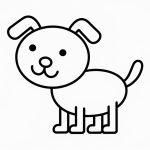
A cartoon puppy with big eyes
-
A simple outline with minimal details
-
A slightly more realistic dog using the same basic shapes
Each style teaches you something new. It’s like learning different accents in the same language—you’re still communicating, just in a new way.
Making Drawing a Fun Habit
Consistency matters more than talent.
Try drawing for five or ten minutes a day. Keep your sketches, even the messy ones. Over time, you’ll see progress that surprises you.
Drawing a dog can become a relaxing ritual, like sipping tea or listening to music. The more you enjoy it, the easier it becomes.
Frequently Asked Questions
1. Is dog drawing suitable for complete beginners?
Yes, absolutely. Simple shapes and step-by-step practice make it accessible for anyone, even with no prior experience.
2. How long does it take to get better at drawing dogs?
Improvement depends on practice, but many people notice progress within a few weeks of regular sketching.
3. Do I need expensive art supplies to draw well?
No. A basic pencil and paper are more than enough to create enjoyable drawings.
4. Can children follow these drawing steps easily?
Yes, the approach is beginner-friendly and works well for kids and adults alike.
5. Should I aim for realism or cartoon style at first?
Starting with a simple or cartoon style is often easier and more encouraging before trying realism.
Conclusion: Anyone Can Draw a Dog
Drawing a dog doesn’t require special skills or artistic genes. It just takes patience, practice, and a willingness to enjoy the process. By breaking the subject into simple shapes and friendly steps, you turn something intimidating into something approachable.
Like learning to write your name as a child, drawing starts awkward and slowly becomes natural. So grab a pencil, let go of perfection, and have fun. Your next dog drawing might not be perfect—but it will be yours, and that’s what really matters.