








Electricity is the heartbeat of modern life—when it goes out, everything feels like it comes to a halt. Whether it’s your morning coffee machine, the Wi-Fi router, or the air conditioning on a hot Texas day, a power outage can throw off your rhythm. Fortunately, CenterPoint Energy’s Outage Tracker helps customers stay informed and take quick action when the lights go out.
In this comprehensive guide, we’ll explore what the CenterPoint Energy Outage Tracker is, how it works, how to report outages, and practical tips to stay safe and prepared. Think of it as your ultimate survival manual for unexpected power disruptions.
What Is the CenterPoint Energy Outage Tracker?
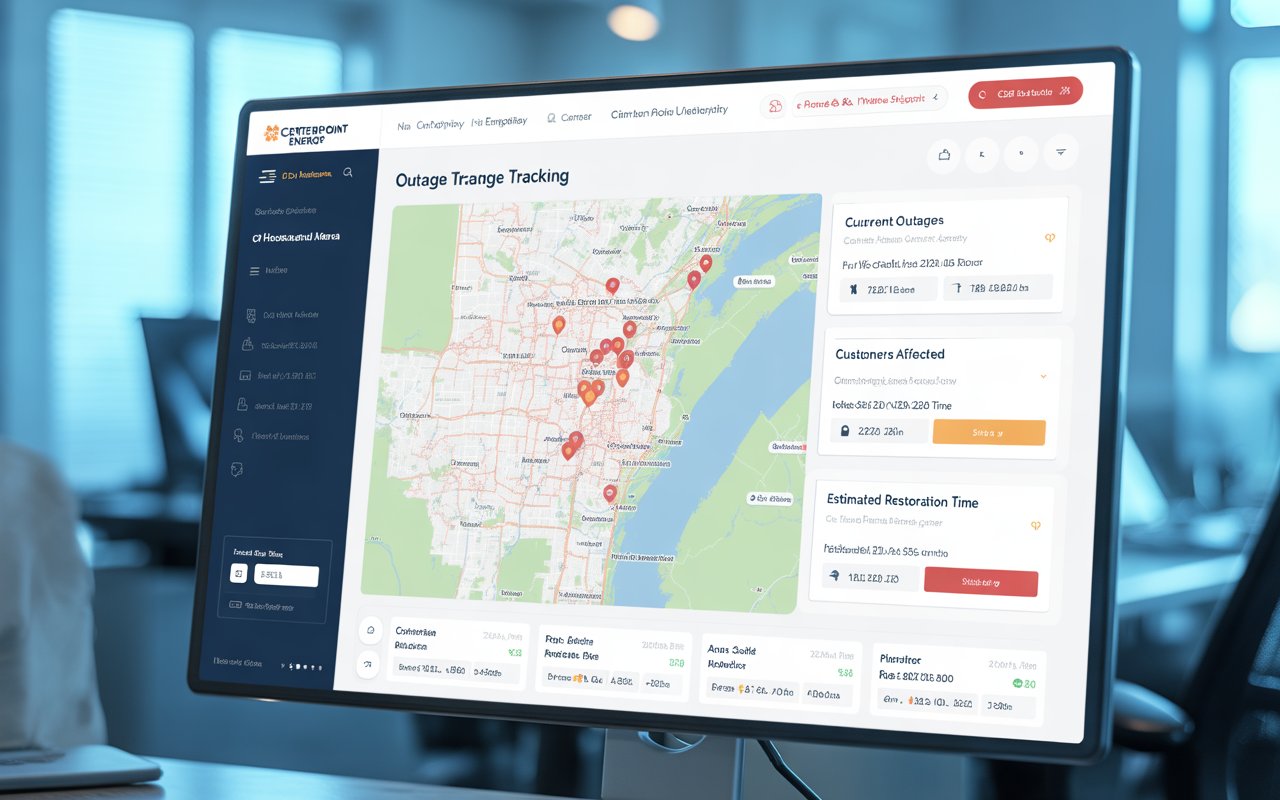
The CenterPoint Energy Outage Tracker is an online and mobile tool that provides real-time updates about power outages in your area. It’s a digital map that shows where outages have been reported, how many customers are affected, and estimated restoration times.
In simple terms, it’s like a weather radar—but for electricity. Instead of tracking storms, it tracks blackouts, giving you a clear picture of what’s happening with the power grid around you.
How the Outage Tracker Works
The Outage Tracker pulls data directly from CenterPoint Energy’s smart grid system. These advanced systems automatically detect when and where power interruptions occur.
Here’s what happens step by step:
-
Detection – Smart meters or grid sensors detect when electricity stops flowing.
-
Notification – The system automatically sends outage alerts to CenterPoint’s operations center.
-
Tracking – The outage is displayed on the Outage Tracker Map, showing affected areas in real time.
-
Restoration Updates – As crews work to fix issues, the tracker updates with estimated restoration times.
This automated process helps CenterPoint respond faster and communicate more effectively with its customers.
Where to Access the Outage Tracker
You can access the CenterPoint Energy Outage Tracker in several convenient ways:
-
Official Website – Visit CenterPointEnergy.com/OutageTracker.
-
Mobile App – Download the CenterPoint Energy app from the App Store or Google Play.
-
SMS Alerts – Sign up for text notifications to receive updates directly to your phone.
-
Social Media – Check their official Twitter (X) and Facebook pages for major outage updates.
These platforms work together to ensure that no customer is left in the dark—figuratively and literally.
Key Features of the CenterPoint Energy Outage Tracker
Let’s break down the standout features that make this tool so valuable for customers:
1. Real-Time Outage Map
A visual map showing current outages and restoration progress. You can zoom into specific neighborhoods or search by address.
2. Status and Estimated Restoration Time
Each outage comes with details like when it started, how many customers are affected, and when power is expected to be restored.
3. Customer-Specific Updates
By logging in to your CenterPoint account, you can view outage information tailored to your service address.
4. Mobile Accessibility
The system is optimized for smartphones and tablets—perfect for staying informed while on the go.
5. Weather Integration
During severe storms, the map displays storm overlays, helping you understand how weather events impact outages.
How to Report a Power Outage
Sometimes, your home might lose power before it appears on the tracker. In those cases, you can report it directly to CenterPoint. Here’s how:
-
Online Report – Log in to your account and submit an outage report.
-
Phone Call – Call 713-207-2222 or 800-332-7143 to report an outage.
-
Text Message – Text “OUT” to 83212 if you’re enrolled in their mobile alerts program.
After reporting, you’ll receive updates as CenterPoint works to restore power.
Understanding the Different Outage Causes

Power outages can happen for many reasons. The Outage Tracker often indicates what caused a specific issue. Common causes include:
-
Weather Events – Heavy rain, lightning, hurricanes, or high winds can damage power lines.
-
Equipment Failure – Transformers, circuit breakers, or cables can fail over time.
-
Vehicle Accidents – Cars hitting utility poles can cause localized outages.
-
Animals – Believe it or not, squirrels and birds often cause short circuits.
-
Scheduled Maintenance – Planned service interruptions to upgrade or repair equipment.
Knowing the cause helps customers understand why their power is out and how long restoration might take.
How CenterPoint Energy Restores Power
Restoring electricity is more complex than just flipping a switch. CenterPoint follows a strategic restoration process to bring power back efficiently and safely:
-
Assessment – Crews first identify dangerous conditions, like downed wires.
-
Critical Facilities First – Hospitals, fire stations, and water treatment plants are prioritized.
-
Major Circuits Next – They fix main transmission lines that serve large neighborhoods.
-
Local Lines and Individual Homes – Smaller outages affecting fewer customers are handled last.
This method ensures that the maximum number of people get their power back as soon as possible.
The Role of Smart Meters and Grid Technology
CenterPoint Energy has invested heavily in smart grid infrastructure. Smart meters automatically notify the company when power goes out, eliminating the need for customers to call in.
These devices also:
-
Help pinpoint the exact location of outages.
-
Provide data for faster diagnostics.
-
Allow remote reconnection once repairs are complete.
It’s like having a digital guardian watching over every power line in the city.
Safety Tips During a Power Outage

When the lights go out, safety should always come first. Here’s how to stay secure and comfortable:
1. Stay Away from Downed Power Lines
Always assume fallen wires are live. Keep at least 30 feet away and report them immediately.
2. Use Flashlights, Not Candles
Flashlights reduce the risk of fire. Keep extra batteries handy.
3. Unplug Sensitive Electronics
Power surges can occur when electricity is restored—unplug TVs, computers, and chargers.
4. Keep Refrigerators Closed
A closed fridge can keep food cold for up to 4 hours; a full freezer, about 48 hours.
5. Stay Informed
Use a battery-powered radio or your phone to receive outage updates and emergency alerts.
Preparing for Future Outages
You can’t predict when the next storm will hit, but you can be prepared. Here’s how:
-
Create an Emergency Kit with flashlights, batteries, bottled water, non-perishable food, and first-aid supplies.
-
Charge Devices Early if bad weather is forecasted.
-
Install Surge Protectors to safeguard electronics.
-
Enroll in Alerts to get real-time outage notifications.
-
Know Your Neighbors—checking in on the elderly or disabled can make a big difference.
Preparation is your best defense against inconvenience and stress.
How CenterPoint Communicates During Major Storms
During severe weather events like hurricanes or floods, CenterPoint Energy ramps up communication efforts. They provide:
-
Frequent updates via the Outage Tracker map.
-
Press releases with restoration progress.
-
Social media alerts to keep the community informed.
CenterPoint often collaborates with local authorities to coordinate recovery and ensure public safety.
Why the Outage Tracker Matters
At first glance, an outage map might seem like a minor convenience. But in reality, it’s a vital communication bridge between the utility company and the community.
It empowers you with knowledge—knowing how long the outage will last helps you plan meals, work-from-home arrangements, or even decide whether to stay elsewhere for the night.
In today’s connected world, information is power—and CenterPoint’s Outage Tracker ensures you always have both.
Frequently Asked Questions (FAQs)
1. How can I check if there’s a power outage in my area?
You can check real-time updates using the CenterPoint Energy Outage Tracker map on their website or mobile app. You can also sign up for text alerts or follow their social media for major updates.
2. How long does it usually take to restore power after an outage?
Restoration time depends on the cause and severity of the outage. Minor outages might take a few hours, while major storm damage can take longer. The Outage Tracker provides estimated restoration times for your area.
3. Do I need to report my outage if my neighbors’ lights are also out?
Not always. If the outage is widespread, it’s likely already detected. However, if only your house is affected, you should report it via phone, online, or text.
4. Is the Outage Tracker updated automatically?
Yes. The system updates in real time using data from smart meters and grid sensors, ensuring accuracy and timely information.
5. What should I do if my power doesn’t come back after the restoration time?
If your power remains out after the reported restoration time, contact CenterPoint Energy directly. It may be an isolated issue affecting your specific property.
Conclusion
Power outages may be unavoidable, but confusion doesn’t have to be part of the experience. The CenterPoint Energy Outage Tracker is an invaluable tool that keeps customers informed, safe, and prepared during electrical interruptions.
By understanding how the system works, knowing how to report issues, and staying prepared, you can navigate outages with confidence and peace of mind. The next time your lights flicker, remember—you’re not left in the dark; CenterPoint has your back.