







Scoring a birdie in golf is like hitting a sweet note in music—it’s that satisfying moment when everything comes together perfectly. Whether you’re a seasoned golfer or just curious about the sport, understanding what a birdie is and how to achieve one can add excitement to your game and appreciation for this timeless sport. In this article, we’ll break down everything you need to know about a golf birdie, from its origins and meaning to strategies and tips for improving your chances of scoring one.
What Exactly Is a Golf Birdie?
A birdie happens when a golfer completes a hole in one stroke less than par. If the par for a hole is 4, sinking the ball in 3 strokes earns you a birdie. Think of it as getting a bonus point in a video game—it shows skill, strategy, and a bit of luck all rolled into one.
The Origin of the Term “Birdie”
Have you ever wondered why it’s called a birdie? The term dates back to early 20th-century America. Golfers in New Jersey used the slang “bird” to mean something cool or excellent. When a player hit a shot under par, they called it a “bird of a shot.” Over time, the phrase evolved into “birdie,” and it stuck.
It’s a charming reminder of how golf’s rich history influences its modern language.
Understanding Par and Scoring

To truly grasp a birdie, you need to understand par, which represents the number of strokes a skilled golfer is expected to take on a hole.
-
Par 3: A birdie means finishing in 2 strokes.
-
Par 4: A birdie means finishing in 3 strokes.
-
Par 5: A birdie means finishing in 4 strokes.
This scoring system creates the foundation of golf, where every shot matters.
Why Birdies Matter
Birdies are more than just a number on the scorecard. They:
-
Boost Confidence: Nailing a birdie shows you’re improving and mastering key techniques.
-
Shift Momentum: In competitive play, one birdie can energize your game and intimidate opponents.
-
Create Memorable Moments: Ask any golfer—birdies are highlights you never forget.
How to Set Up for a Birdie Opportunity
Scoring a birdie isn’t only about the final putt. It starts with smart planning:
Course Management
Visualize each shot before swinging. Consider the wind, terrain, and hazards. Think like a chess player, mapping out every move.
Club Selection
The right club is like the right tool for a job. Choose based on distance, slope, and personal comfort.
Shot Accuracy
Accuracy often matters more than power. A precise approach shot can set up an easy putt.
Key Skills to Improve Your Chances

To consistently score birdies, focus on these core skills:
-
Driving: A solid drive places you in an advantageous position.
-
Iron Play: Accurate approach shots help you land close to the pin.
-
Putting: A confident, controlled putt seals the deal.
Practice each skill regularly, not just the one you enjoy most.
The Mental Game of Birdies
Golf isn’t just physical—it’s a mental puzzle. Staying calm under pressure is essential.
Imagine standing over a potential birdie putt. Your heart races, but you breathe, focus, and trust your routine. That mindset often makes the difference between success and a near miss.
Common Mistakes to Avoid
Even seasoned players can sabotage their birdie chances. Look out for:
-
Overpowering Drives: Swinging too hard can lead to wild shots.
-
Neglecting the Short Game: Great putting often separates birdie-makers from average players.
-
Ignoring Weather Conditions: Wind or wet grass can change your strategy completely.
Birdies in Professional Golf
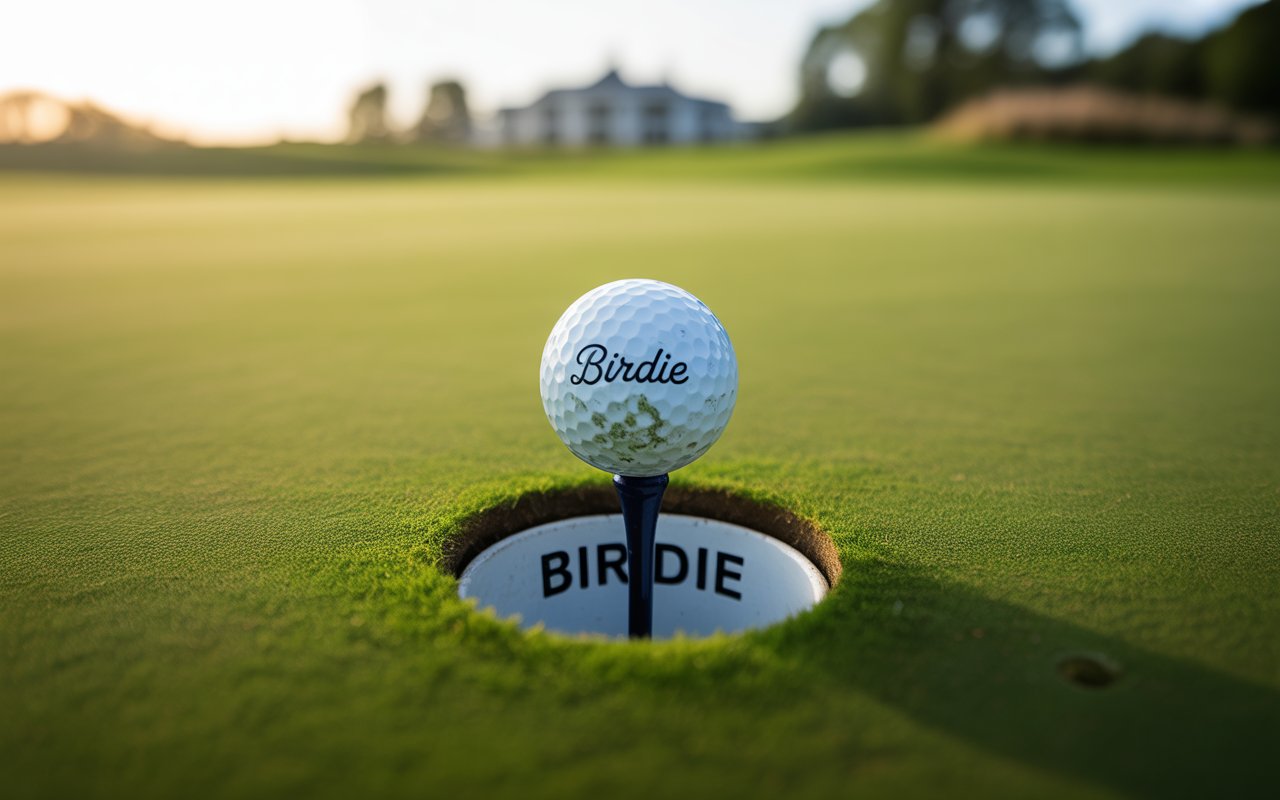
On the PGA Tour, birdies often decide tournaments. Watching pros like Rory McIlroy or Nelly Korda chase birdies is thrilling because it shows their precision and nerves of steel. While amateurs celebrate a single birdie, professionals aim for several per round to stay competitive.
Practice Drills for Birdie Hunters
Want to sharpen your birdie skills? Try these drills:
-
Target Putting: Set up various distances and aim to sink putts consistently.
-
Approach Shot Challenge: Practice hitting greens from different lies.
-
Pressure Games: Create friendly competitions to simulate real-game tension.
A Birdie Is Like…
Think of a birdie as catching a rare butterfly. You can’t force it—you create the right conditions and stay patient. When it finally lands, the reward feels magical.
FAQs About Golf Birdies
1. What is the difference between a birdie and an eagle in golf?
An eagle means completing a hole in two strokes fewer than par, whereas a birdie is finishing it in just one stroke less than par.
For example, finishing a par 4 in two strokes is an eagle.
2. How rare is it for an amateur golfer to score a birdie?
It’s uncommon but achievable. Many amateurs may only score a few birdies in a full 18-hole round, depending on skill level.
3. Do birdies count more in tournaments?
Yes, because lower scores are critical in competitive play. Birdies can provide the edge needed to climb the leaderboard.
4. Can you get a birdie on every hole?
Technically, yes, but it’s extremely difficult. Professional golfers occasionally achieve long streaks, but it requires exceptional skill.
5. What’s the best way to practice for more birdies?
Focus on consistent driving, precise approach shots, and strong putting. Practicing your short game is especially important.
Conclusion
Scoring a birdie is one of golf’s most satisfying achievements. It blends skill, patience, and a dash of luck, creating moments that golfers cherish for years. Whether you’re just starting out or refining your competitive edge, focusing on strategy, technique, and mindset will bring more birdie opportunities your way. So grab your clubs, head to the course, and see if today’s the day you hear the sweet sound of a birdie.