







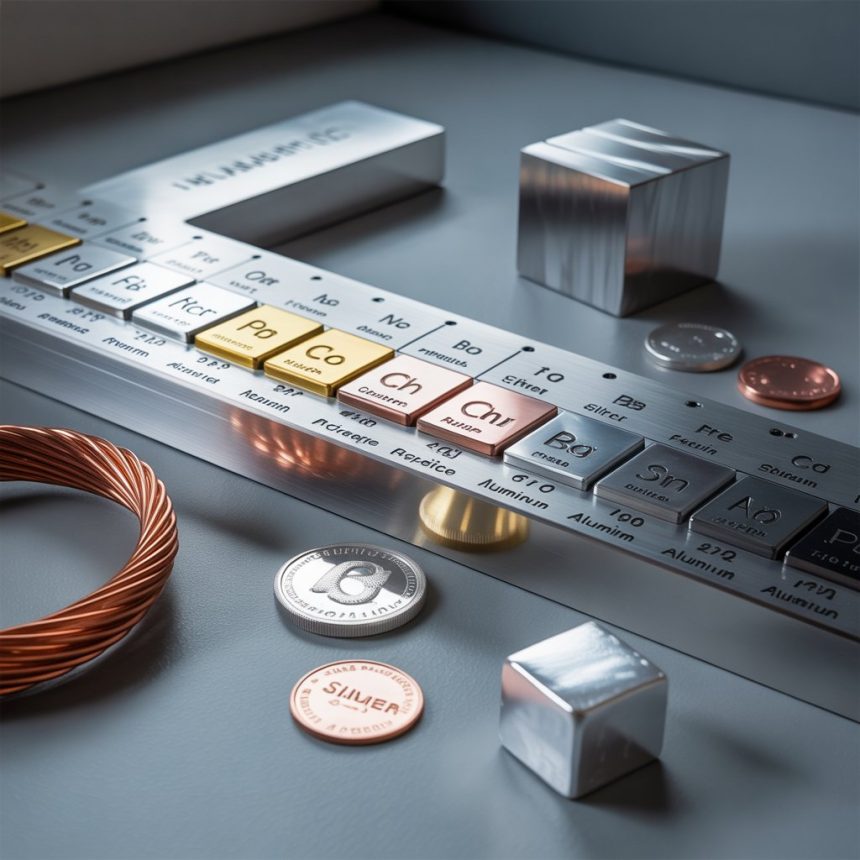
Ever grabbed a metal item and been surprised when it didn’t cling to a magnet like you expected? It’s a question many people have asked at some point. Not all metals are magnetic, and knowing which ones aren’t can be surprisingly useful — whether you’re curious about everyday materials, planning a DIY project, or just love learning about how things work.
In this article, we’re going to explore the world of metals that don’t react to magnets. We’ll break it down in simple terms, using everyday examples, metaphors, and clear explanations. By the time you’re done reading, you’ll be able to confidently identify non-magnetic metals and understand why they behave the way they do.
What Does “Magnetic” Really Mean?
Before diving into the metals themselves, let’s clarify what it means for something to be magnetic. When a metal is described as magnetic, it means it either naturally sticks to a magnet or can be turned into one under the right conditions. This happens because of how electrons inside the metal behave, creating tiny magnetic fields that line up and add together.
Think of it like tiny soldiers standing in formation: when they line up, the metal acts like a magnet. If they don’t, the metal stays neutral.
Why Are Some Metals Non-Magnetic?
Not all metals have those “soldiers” lined up. Their internal electron arrangements make them indifferent to magnetic fields, so they don’t stick to magnets.
This isn’t random. It comes down to the metal’s atomic structure and electron spins.
Common Non-Magnetic Metals You Encounter Daily
Let’s meet the stars of the show: the metals that don’t respond to magnets. These metals are all around us and play important roles in everyday life.
Aluminum – The Lightweight Wonder
Aluminum is everywhere—from soda cans to airplane parts. It’s lightweight, corrosion-resistant, and does not attract magnets.
Why? Its electrons are arranged in pairs that effectively cancel each other’s magnetic influence, preventing any attraction to magnets. This makes aluminum a popular choice when you need metal that won’t stick to magnets or rust easily.
Copper – The Electrical Superstar
Copper is famous for conducting electricity. If you’ve ever seen the reddish metal in wiring or pipes, that’s copper.
Though copper is a metal, it’s non-magnetic. This property helps in electrical applications where magnetism could cause interference.
Brass – A Pretty Alloy Without Magnetism
Brass is a blended metal, primarily composed of copper mixed with zinc. It’s known for its golden color and is often used in musical instruments and decorative items.
Brass doesn’t attract magnets, making it handy in situations where you don’t want magnetic interference.
Zinc – The Protective Coating
Zinc is used mainly to coat other metals like iron to prevent rusting (think galvanized steel). It’s non-magnetic and helps protect the materials underneath.
Lead – The Heavy Metal That’s Not Magnetic
Lead is a dense, soft metal used in batteries, weights, and shielding against radiation. Despite its heaviness, lead is non-magnetic.
Stainless Steel: The Magnetic and Non-Magnetic Split
Stainless steel is a bit tricky because it’s not just one metal — it’s an alloy made from iron mixed with chromium, nickel, and other elements.
-
Magnetic stainless steel: Some types, like the 400 series, have iron arranged in a way that makes them magnetic.
-
Non-magnetic stainless steel: Other types, like the 300 series (including popular 304 and 316 grades), are mostly non-magnetic because of higher nickel content.
So, if you pick up a stainless steel object that doesn’t stick to a magnet, it’s likely one of the non-magnetic grades.
Why Does This Matter? Real-Life Uses of Non-Magnetic Metals
Non-magnetic metals aren’t just curiosities — they have important practical uses.
Medical Devices
In hospitals, equipment made from non-magnetic metals is safer around MRI machines, which use powerful magnets. For example, surgical tools often use non-magnetic stainless steel or titanium.
Electronics and Wiring
Copper and aluminum are mainstays in electrical wiring because they don’t interfere with magnetic signals.
Construction and Decoration
Non-magnetic metals like aluminum and brass offer rust resistance and aesthetic appeal without magnetic drawbacks.
How to Test If a Metal Is Magnetic?
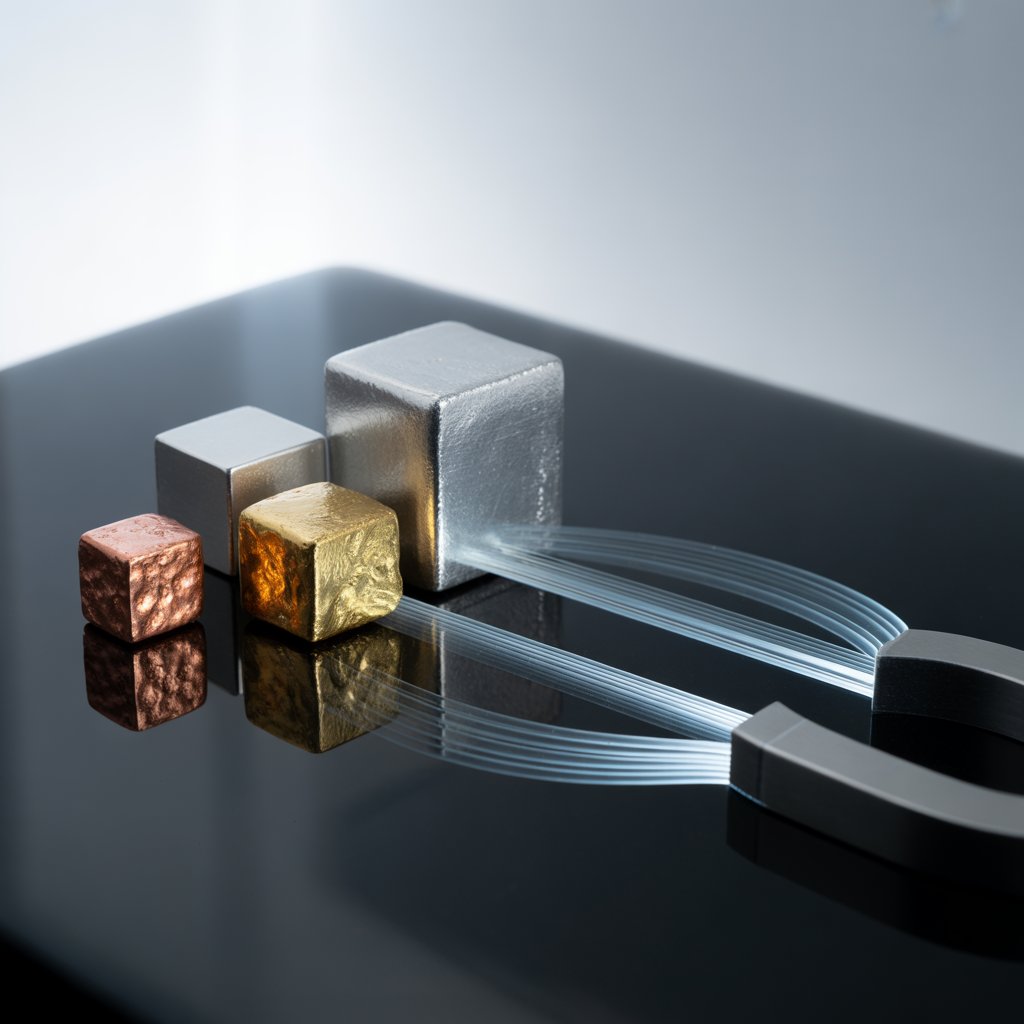
You don’t need fancy gadgets to figure out if a metal is magnetic. The easiest way is just to try a magnet!
-
If it sticks, the metal is magnetic.
-
If it doesn’t, it’s non-magnetic or only weakly magnetic.
But beware: some metals, like certain stainless steels, can be weakly magnetic or change depending on how they are processed.
The Science Behind Magnetism: A Simple Explanation
Magnetism is all about how electrons spin and group inside atoms. Metals with unpaired electrons tend to be magnetic. When these unpaired electrons align, the metal behaves like a magnet.
Non-magnetic metals have paired electrons whose spins cancel each other out, leaving no overall magnetic field.
Magnetic vs. Non-Magnetic Metals: An Analogy
Imagine a crowd at a concert:
-
In a magnetic metal, people (electrons) all stand and wave their hands in the same direction, creating a visible wave effect (magnetic field).
-
In a non-magnetic metal, half the crowd waves left while the other half waves right, canceling out any overall motion (no magnetism).
Common Misconceptions About Metals and Magnetism
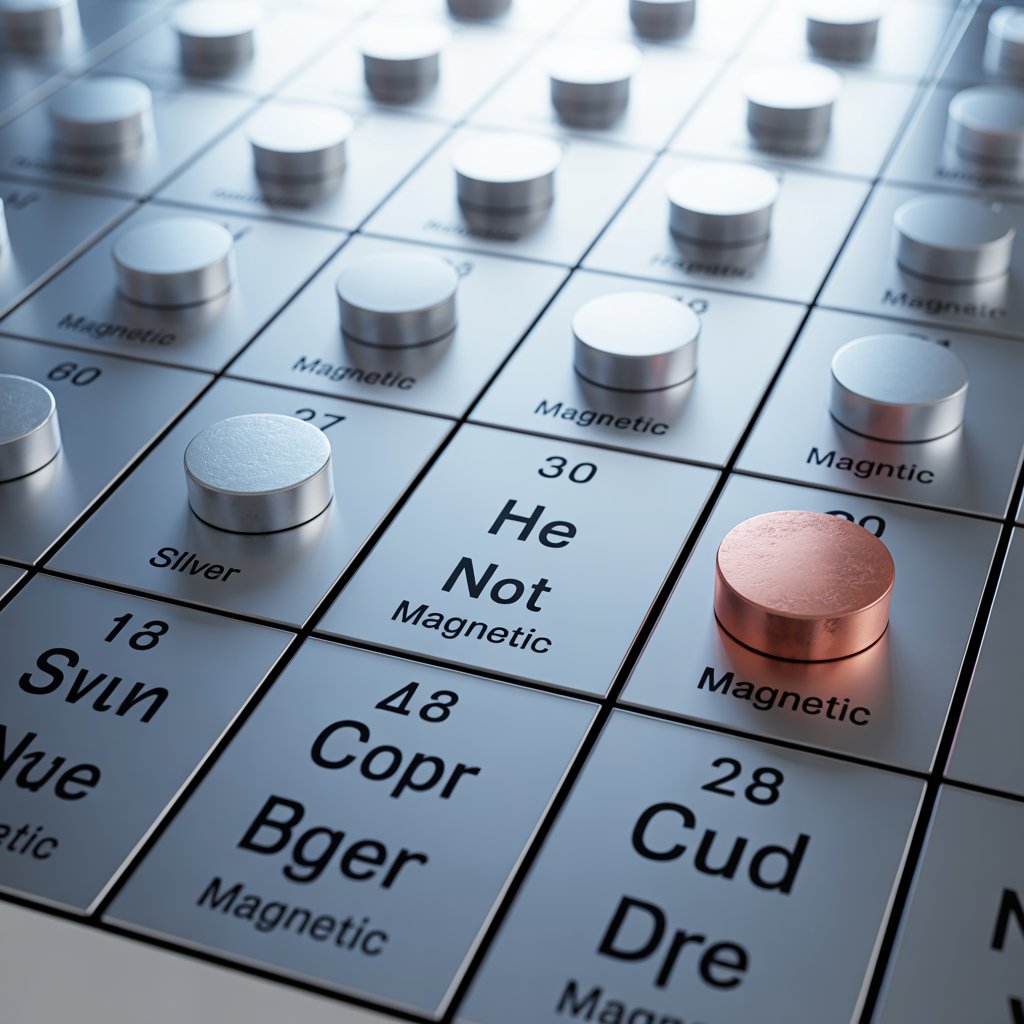
Sometimes people think all metals are magnetic — a natural assumption since iron is so common.
But metals like aluminum, copper, and even some stainless steels show us that magnetism is more complicated and depends on atomic details.
Non-Magnetic Metals and Recycling
Knowing which metals are non-magnetic is also useful for recycling. Magnetic sorting is commonly used to pull out iron and steel from a mix of different metals. Non-magnetic metals often require different recycling methods.
Summary: What Metals Are Not Magnetic?
Here’s a quick recap of the main non-magnetic metals:
-
Aluminum
-
Copper
-
Brass (copper and zinc alloy)
-
Zinc
-
Lead
-
Some types of stainless steel (300 series)
Each has unique uses because of their non-magnetic properties.
FAQs About Non-Magnetic Metals
1. Are all stainless steels non-magnetic?
No, some stainless steels (like the 400 series) are magnetic, while others (300 series) are non-magnetic depending on their composition.
2. Why is aluminum non-magnetic?
Aluminum’s electrons are paired and don’t create a net magnetic field, so it doesn’t attract magnets.
3. Can non-magnetic metals become magnetic?
Under normal conditions, no. But some metals can become weakly magnetic when exposed to strong magnetic fields or certain treatments.
4. Is titanium magnetic or non-magnetic?
Titanium is generally non-magnetic, which is why it’s often used in medical implants and aerospace.
5. How do recyclers separate non-magnetic metals from magnetic ones?
They use magnets to pull out magnetic metals like iron and steel, leaving non-magnetic metals for other sorting processes.
Conclusion: Why Knowing About Non-Magnetic Metals Matters
Understanding which metals don’t stick to magnets is more than just a neat science fact. It helps us make better choices in everyday life, from picking materials for projects to understanding the tools and gadgets we use.
So next time you test a magnet on a metal object, remember: behind that simple stick-or-not stick question lies a fascinating world of atoms, electrons, and practical uses that shape our modern lives.